
2-Bromo-2-methylpropionyl bromide
Completing data — refresh the page later to see the latest

Basic information
- CAS
20769-85-1- Standard SMILES
CC(C)(Br)C(=O)Br- InChIKey
YOCIJWAHRAJQFT-UHFFFAOYSA-N- Molecular formula
- C4H6Br2O
- Average molar mass
- 229.9 g/mol
- Monoisotopic mass
- 227.87853901
Names & identifiers
- Preferred name
- 2-Bromo-2-methylpropionyl bromide
- IUPAC
- 2-bromo-2-methylpropanoyl bromide
- English name
- 2-Bromoisobutyryl Bromide
- Molecular formula
- C4H6Br2O
- Molecular weight
- 229.9
Names & synonyms
2-Bromo-2-methylpropionyl bromide20769-85-12-Bromoisobutyryl bromide2-Bromo-2-methylpropanoyl bromidePropanoyl bromide, 2-bromo-2-methyl-alpha-Bromoisobutyryl bromidebromoisobutyryl bromide.alpha.-Bromoisobutyryl bromide627F9N9DYA2-bromoisobutyric bromidebromodimethylacetyl bromideEINECS 244-017-3
Show more names
BIBBα-Bromoisobutyryl bromideα-Bromoisobutyryl bromideA-BROMOISOBUTYRYL BROMIDE2-Bromoisobutyric acid bromide2-Bromo-2-methyl2-broMoisobutylyl broMide
2-bromoisobutanoyl bromideAI3-28200DTXSID7045077EC 244-017-3PROPIONYL BROMIDE, 2-BROMO-2-METHYL-2bromoisobutyryl bromideRefChem:466170DTXCID5025077
Database identifiers
- CAS
20769-85-1- PubChem CID
- 88685
- DTXSID
DTXSID7045077- UNII
- 627F9N9DYA
- EC Number
- 244-017-3
- Nikkaji
- J93.725H
Properties
Computed structural propertiesFilling in
- XLogP
- 2.2
- Topological polar surface area
- 17.1 Ų
- Hydrogen bond donors
- 0
- Hydrogen bond acceptors
- 1
- Rotatable bonds
- 1
- Heavy atoms
- 7
- Formal charge
- 0
- Complexity
- 87.7
Experimental & physicochemical properties
Chemical ClassesToxic Gases & Vapors -> Acid Halides
SpringerMaterials PropertiesChemical shift
Physical DescriptionColorless liquid with an acrid odor; [Alfa Aesar MSDS]
Physicochemical properties
- Boiling point
- 162 · 162-164 °C(lit.)
- Density
- 1.86 g/mL · 1.86 g/mL at 20 °C
- refractive index
- 20 · n20/D 1.507(lit.)
- Flash point
- 110 °C · >110°C
- storage temp.
- 30 °C · Store below +30°C.
- solubility
- Miscible with acetone and carbon disulfide.
- form
- Liquid
- Specific Gravity
- 1.86 · 1.860 (20/4℃)
- color
- Clear light yellow to yellow
Safety & regulation
Safety information is for reference only and does not replace the supplier’s Safety Data Sheet (SDS), applicable regulations, or professional assessment.
GHS classification
GHS Classification
Danger
H302 (86.3%): Harmful if swallowed [Warning Acute toxicity, oral]
P260, P261, P264, P270, P272, P280, P301+P317, P301+P330+P331, P302+P352, P302+P361+P354, P304+P340, P305+P354+P338, P316, P321, P330, P333+P317, P362+P364, P363, P405, and P501 (click each P-code to see the statement)
Aggregated GHS information provided per 51 reports by companies from 9 notifications to the ECHA C&L Inventory. Each notification may be associated with multiple companies.
Hazard information
Regulatory InformationStatus: Active Update: 20-12-2012 https://echa.europa.eu/registration-dossier/-/registered-dossier/13206
Hazards Summary
Causes burns; May cause skin sensitization; Harmful by ingestion; Possible human mutagen; [ECHA REACH Registrations] Corrosive to rabbit skin; 95% sensitization rate in guinea pig maximization study; [EPA - TSCATS] Reacts violently with water; Causes burns; Inhalation may cause corrosive injuries to upper respiratory tract and lungs; [Alfa Aesar MSDS]
Hazard Classes and CategoriesAcute Tox. 4 (86.3%)
Toxicology
Adverse EffectsDermatotoxin - Skin burns.
Safety data
- PPE
- Faceshields, Gloves, Goggles, type ABEK (EN14387) respirator filter
- wgk
- 3
- tsca
- TSCA listed
Chemistry & industry
Uses & manufacturing
UsesUsed to make fine and large scale chemicals; [ECHA REACH Registrations]
General Manufacturing InformationPropanoyl bromide, 2-bromo-2-methyl-: ACTIVE
Applications
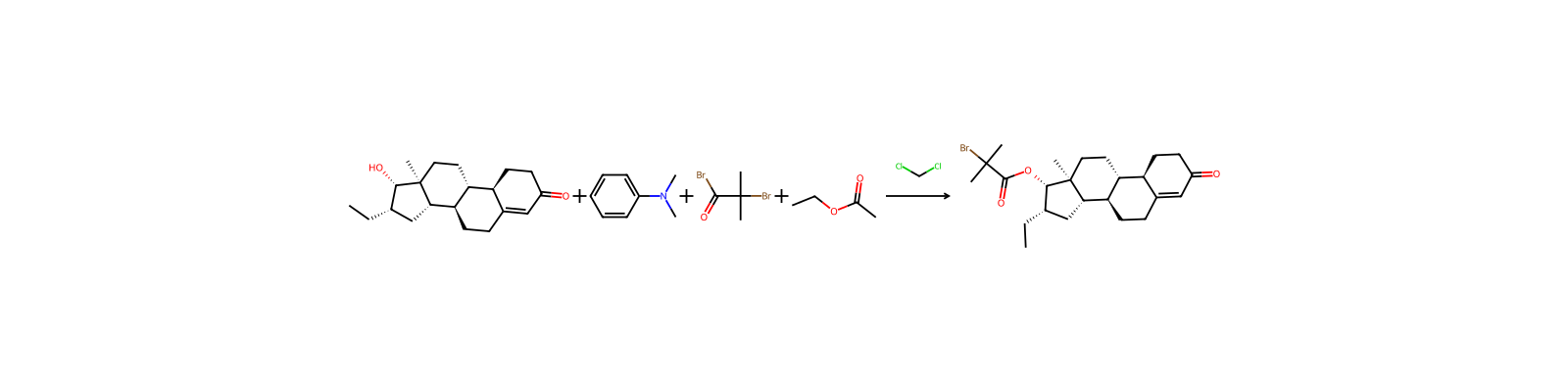
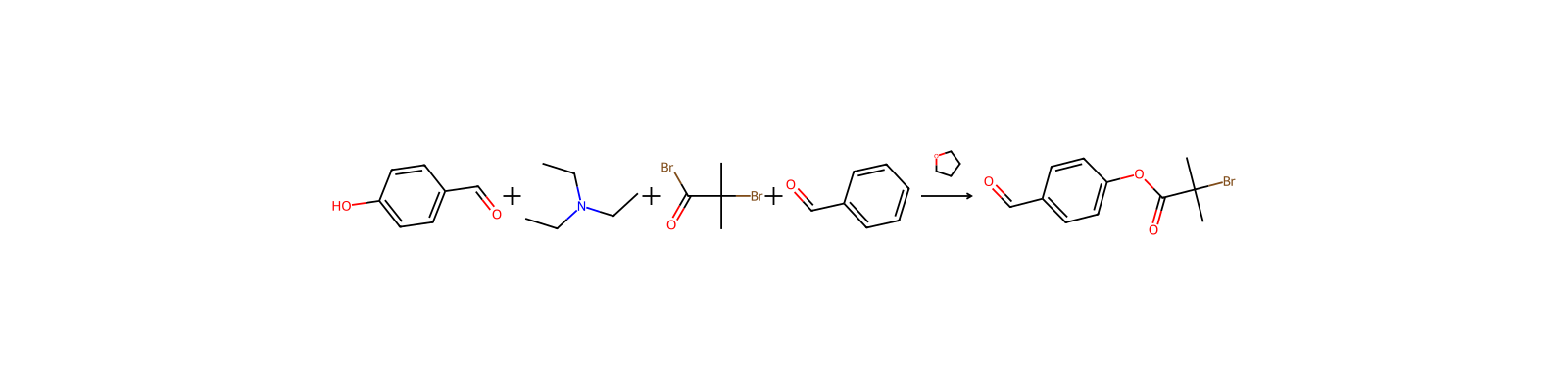
Description2-Bromoisobutyryl Bromide is a kind of bromide being useful in the chemical industry. It is used as an intermediate for the synthesis of pharmaceuticals, agrochemicals, dyes and other organic chemicals1. It can be used as atom transfer radical polymerization (ATRP) initiator for functionalization of hydroxyl groups present on the surface of graphene oxide; to form an N-protected halodienamide which provided fourand five-membered lactams in the presence of copper (I) and a tertiary amine; in preparation of polycaprolactone macroinitiator via reaction with oligomeric caprolactone dio and mesoporous silica nanoparticles with ATRP initiator anchored on the exterior surface2,3. As a initiator precursor, it can also be used for surface modification of Ethylene-vinyl alcohol (EVOH) copolymer films to grow surface-grafted poly-(acrylamide) chains.
Uses2-Bromoisobutyryl bromide is used to prepare N-protected halodienamide, which provides four- and five-membered lactams in the presence of copper(I) and a tertiary amine. Further, it is used as atom transfer radical polymerization(ATRP) initiator for functionalization of hydroxyl groups present on the surface of graphene oxide. It is also used in preparation of polycaprolactone macroinitiators through reaction with oligomeric caprolactone diol and mesoporous silica nanoparticles with ATRP initiator anchored on the exterior surface.
Usesα-Bromoisobutyryl bromide has been used:as atom transfer radical polymerization (ATRP) initiator for functionalization of hydroxyl groups present on the surface of graphene oxideto form an N-protected halodienamide which provided four- and five-membered lactams in the presence of copper (I) and a tertiary aminein preparation of polycaprolactone macroinitiator via reaction with oligomeric caprolactone diol and mesoporous silica nanoparticles with ATRP initiator anchored on the exterior surface
Upstream & downstream products
Related reactions
159 records




Compound notes
Loading…