HomeMCPWorkbenchSkills
HomeWorkbenchNotificationsMe
llms.txt · MCP GuidePrivacy Policy · Terms of Service · Supportv1.8.0
  1. Home
  2. /Compound

Potassium Cyanide

HCID 9032
New noteNew reactionRequest quotes
Print preview

Completing data — refresh the page later to see the latest

Basic informationOverviewNames & identifiersPropertiesSafety & regulationChemistry & industryRelated reactionsCompound notes
Substructure searchFind similar structures

Basic information

CAS
151-50-8
Standard SMILES
[C-]#N.[K+]
InChIKey
NNFCIKHAZHQZJG-UHFFFAOYSA-N
Molecular formula
CKN
Average molar mass
65.116 g/mol
Monoisotopic mass
64.96678068

Overview

Potassium cyanide appears as white amorphous lumps or a crystalline mass with a faint odor of bitter almonds. Density 1.52 g / cm3 Toxic by skin absorption through open wounds, by ingestion. Heating to decomposition produces toxic fumes. Used for gold and silver extraction, in chemical analysis, to make other chemicals, and as an insecticide.

Names & identifiers

Preferred name
Potassium Cyanide
IUPAC
potassium cyanide
English name
POTASSIUM CYANIDE
Molecular formula
CKN
Molecular weight
65.12

Names & synonyms

POTASSIUM CYANIDE151-50-8Cyanide of potassiumkalium cyanidPotassium cyanide (K(CN))RCRA waste number P098Cyanure de potassiumHydrocyanic acid, potassium saltM-44 capsules (potassium cyanide)MQD255M2ZOEPA Pesticide Chemical Code 599600DTXSID0024268
Show more names
KCNCyanideskaliumcyanidPOTASSIUM CYANIDE 1 KGFeratoxcaswellno688aKalium-cyanidPOTSSIUM CYANIDE
KALI CYANATUMAI3-28749CHEBI:33191potassiumcarbonitrileCyanide, PotassiumRefChem:6155DTXCID804268205-792-3

Database identifiers

CAS
151-50-8
PubChem CID
9032
DTXSID
DTXSID0024268
ChEMBL
CHEMBL2228308
ChEBI
CHEBI:33191
UNII
MQD255M2ZO

Properties

Computed structural propertiesFilling in

Topological polar surface area
23.8 Ų
Hydrogen bond donors
0
Hydrogen bond acceptors
2
Rotatable bonds
0
Heavy atoms
3
Formal charge
0
Complexity
12.8

Experimental & physicochemical properties

Chemical Classes · 2 items

Toxic Gases & Vapors -> Cyanides

-> NIOSH Emergency Response Categories

pH11.0 (0.1 N aq soln)
SpringerMaterials Propertiesdielectric constant
PesticidesPesticide -> EPA IRIS
Odor · 3 items

Faint odor of bitter almonds

Odor of hydrogen cyanide.

Faint almond-like odor.

Exact Mass64.96678049 Da
Density · 5 items

1.52 at 60.8 °F (EPA, 1998) - Denser than water; will sink

1.55 at 20 °C

1.52 g/cm³

1.55 @ 20°C

1.55

Color/Form · 4 items

White, granular powder or fused pieces

White amorphous lumps or crystalline mass

White cubic crystals

White, granular or crystalline solid.

Solubility · 6 items

Safety & regulation

Safety information is for reference only and does not replace the supplier’s Safety Data Sheet (SDS), applicable regulations, or professional assessment.

GHS classification

GHS Classification · 6 items

Danger

H290 (24%): May be corrosive to metals [Warning Corrosive to Metals]

P234, P260, P262, P264, P264+P265, P270, P271, P273, P280, P284, P301+P316, P302+P352, P304+P340, P305+P354+P338, P308+P316, P316, P317, P319, P320, P321, P330, P332+P317, P361+P364, P362+P364, P390, P391, P403+P233, P405, P406, and P501 (click each P-code to see the statement)

Aggregated GHS information provided per 575 reports by companies from 30 notifications to the ECHA C&L Inventory. Each notification may be associated with multiple companies.

Danger

H300: Fatal if swallowed [Danger Acute toxicity, oral]

Hazard information

Hazards IdentificationWater-reactive material (WR)
Regulatory Information · 6 items

Chemical: Potassium cyanide (K(CN))

Hazard Traits - Reproductive Toxicity

Potassium cyanide (K(CN)) is listed on the EPA's Chemical Data Reporting (CDR) system. Manufacturers and importers of Potassium cyanide (K(CN)) are required to report information about their production and use of this chemical to the EPA under the Toxic Substances Control Act (TSCA). (40 eCFR Part 711)

Status: Active Update: 30-11-2018 https://echa.europa.eu/registration-dossier/-/registered-dossier/13737

Potassium cyanide: HSNO Approval: HSR002741 Approved with controls

The New Jersey Worker and Community Right to Know Act requires public and private employers to provide information about hazardous substances at their workplaces. (N.J.S.A. 34:5A-1 et. seq.)

Other Safety Information · 2 items

IMAP assessments - Sodium and potassium cyanides: Human health tier II assessment

- Indoor Air: Potassium cyanide can be released into indoor air as fine droplets, liquid spray (aerosol), or fine particles.

Chemistry & industry

Pharmacology

Mechanism of Action · 5 items

CYANIDE HAS A VERY HIGH AFFINITY FOR IRON IN FERRIC STATE. WHEN ABSORBED IT REACTS READILY WITH ... IRON OF CYTOCHROME OXIDASE IN MITOCHONDRIA; CELLULAR RESPIRATION IS THUS INHIBITED & CYTOTOXIC HYPOXIA RESULTS. SINCE UTILIZATION OF OXYGEN IS BLOCKED, VENOUS BLOOD IS OXYGENATED AND IS ALMOST AS BRIGHT RED AS ARTERIAL BLOOD. RESPIRATION IS STIMULATED BECAUSE CHEMORECEPTIVE CELLS RESPOND AS THEY DO TO DECREASED OXYGEN. A TRANSIENT STAGE OF CNS STIMULATION WITH HYPERPNEA AND HEADACHE IS OBSERVED; FINALLY THERE ARE HYPOXIC CONVULSIONS AND DEATH DUE TO RESPIRATORY ARREST. /CYANIDE/

SINGLE DOSES OF CYANIDE PRODUCE ALTERATIONS IN PATTERN OF BRAIN METABOLITES CONSISTENT WITH DECR IN OXIDATIVE METABOLISM & INCR IN GLYCOLYSIS. DECR IN BRAIN GAMMA-AMINOBUTYRIC ACID ... HAVE BEEN ASCRIBED TO CYANIDE INHIBITION OF GLUTAMIC ACID DECARBOXYLASE. /CYANIDE/

THE CORTICAL GRAY MATTER, HIPPOCAMPUS (H1), CORPORA STRIATA, & SUBSTANTIA NIGRA ARE COMMONLY AFFECTED /BY CYANIDE/. ... CYANIDE ALSO HAS PROPENSITY FOR DAMAGING WHITE MATTER, PARTICULARLY CORPUS CALLOSUM. CYANIDE INHIBITS CYTOCHROME OXIDASE & PRODUCES CYTOTOXIC ANOXIA, BUT ALSO CAUSES HYPOTENSION THROUGH ITS EFFECTS ON HEART. /CYANIDE/

The cyanide ion (CN-) forms complexes with a number of other chemicals (eg, in tissues) and has a strong affinity for cobalt. /Cyanide ion/

For more Mechanism of Action (Complete) data for POTASSIUM CYANIDE (6 total), please visit the HSDB record page.

Biological Half-LifeHalf-life for the conversion of cyanide to thiocyanate from a non-lethal dose in man is between 20 min and 1 hr. /Cyanide/
Metabolism/Metabolites · 6 items

... CYANIDE ION IS CONJUGATED WITH SULFUR TO FORM THIOCYANATE. ... CONJUGATION IS CATALYZED BY ... RHODANESE WHICH IS WIDELY DISTRIBUTED IN MOST ANIMAL TISSUES ... /LIVER/ PARTICULARLY ACTIVE. ... RHODANESE MECHANISM IS CAPABLE OF DETOXICATING ONLY LIMITED AMT OF CYANIDE, SUCH AS ARE FORMED DURING NORMAL METAB. /ANOTHER SULFUR DONOR IS 3-MERCAPTOPYRUVATE. THE ENZYME, MERCAPTOSULFUR TRANSFERASE IS LOCALIZED IN CYTOSOL./ /CYANIDE/

THE EXCRETION OF THIOCYANATE FOLLOWING THE ADMINISTRATION OF EQUITOXIC DOSES OF CYANIDE TO UNPROTECTED MICE AND TO ANIMALS PRETREATED WITH VARIOUS CYANIDE ANTIDOTES WAS STUDIED. CYANIDE GIVEN ALONE OR TO ANIMALS PRETREATED WITH THIOSULFATE IS EXTENSIVELY CONVERTED TO THIOCYANATE. THE CYANIDE IS EXCRETED IN THE URINE, AS DEMONSTRATED BY DETECTION OF HIGH AMOUNTS OF COBALT IONS AND STRONGLY COMPLEX-BOUND CYANIDE IN THE URINE. A METHOD FOR THE DETERMINATION OF CYANIDE PRESENT AS COBALT CYANIDE COMPLEXES IS DESCRIBED AND ITS FORENSIC APPLICATION IS PROPOSED.

Related reactions

2,458 records
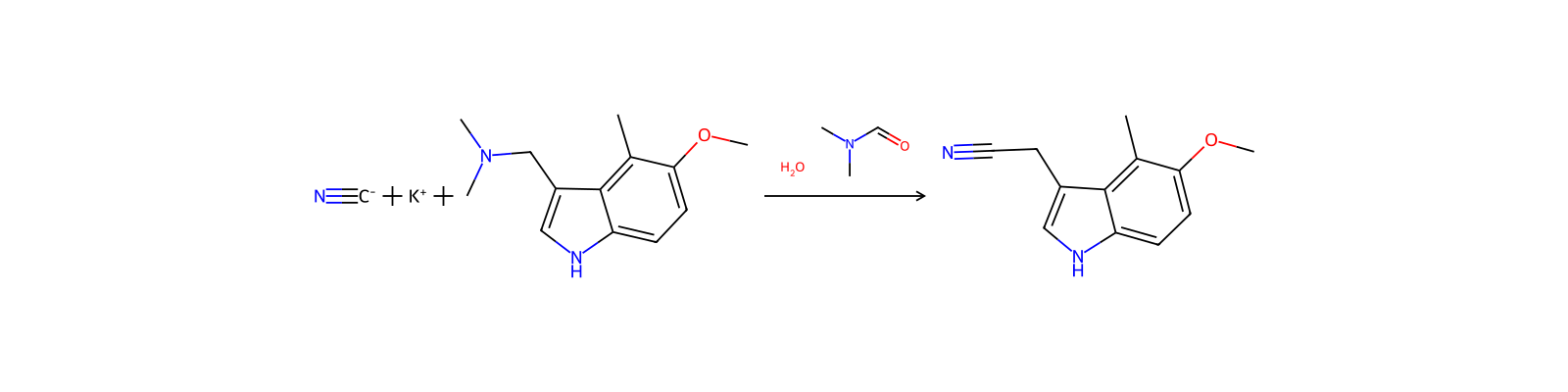
New reaction record
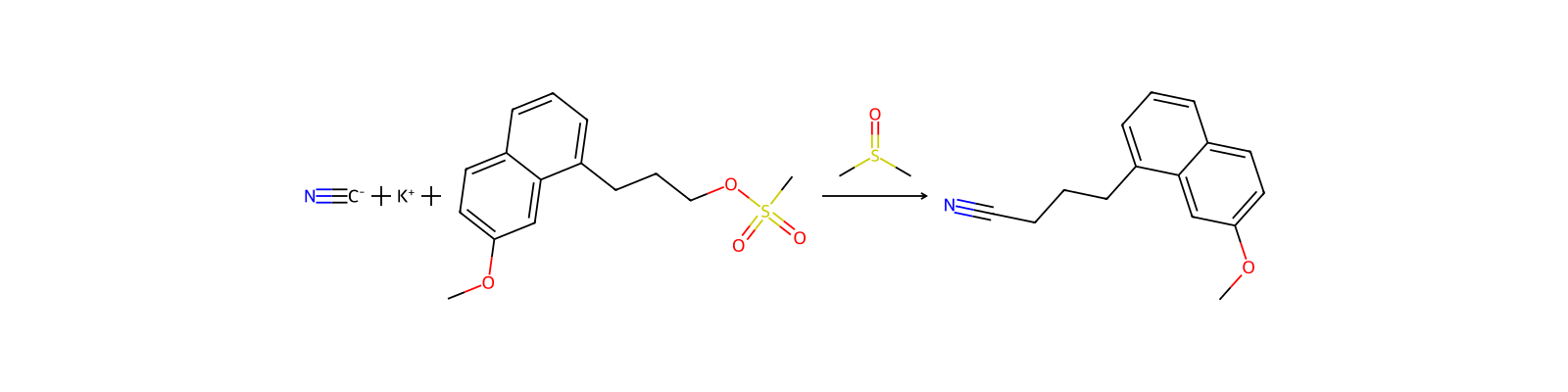
HRID 1272 reaction equation
HRID 1272As reactantuspto-grants-1998_03
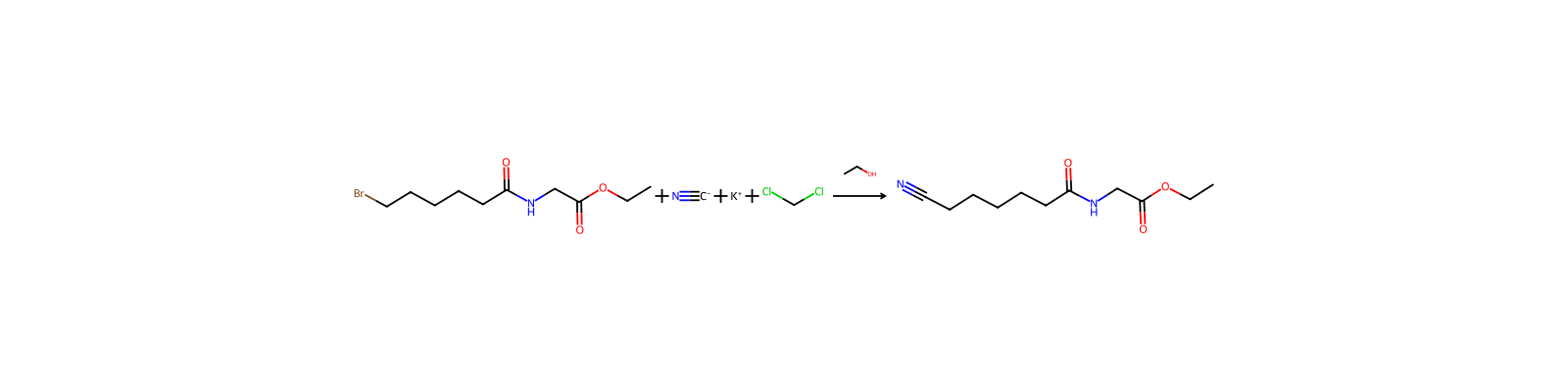
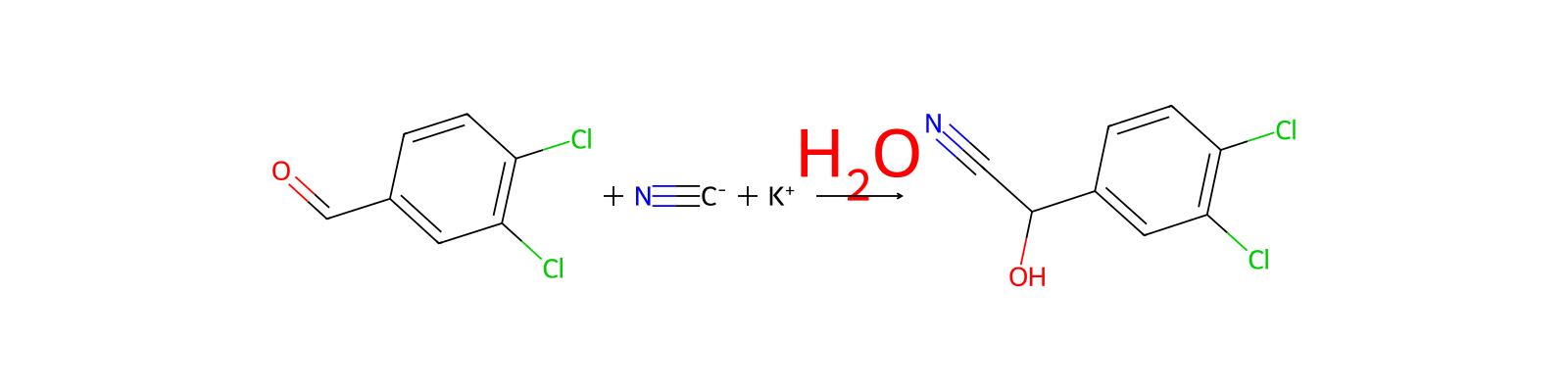
HRID 1837 reaction equation
HRID 1837As reactantuspto-grants-1998_03
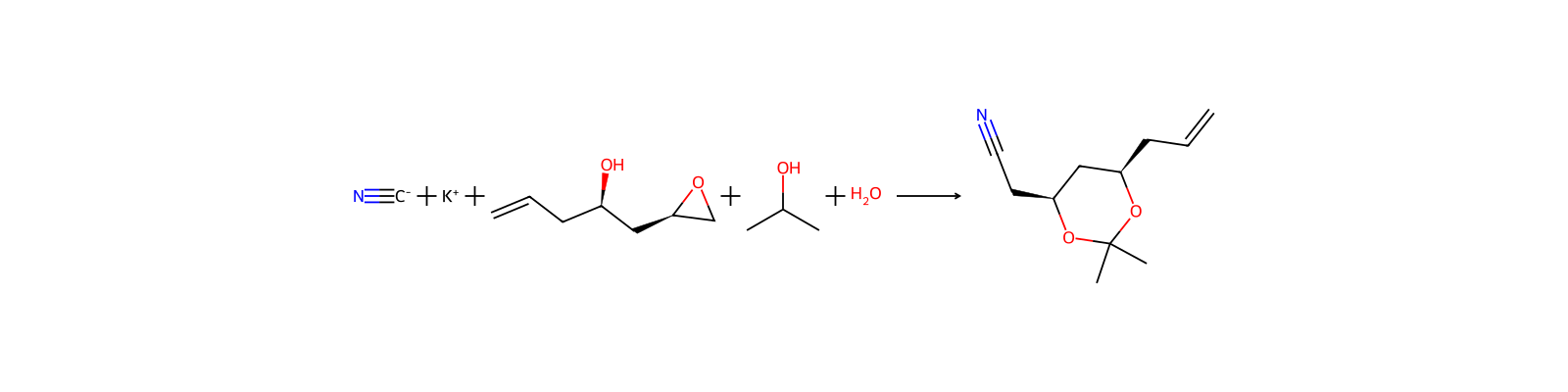
HRID 2888 reaction equation
HRID 2888As reactantuspto-grants-1998_03
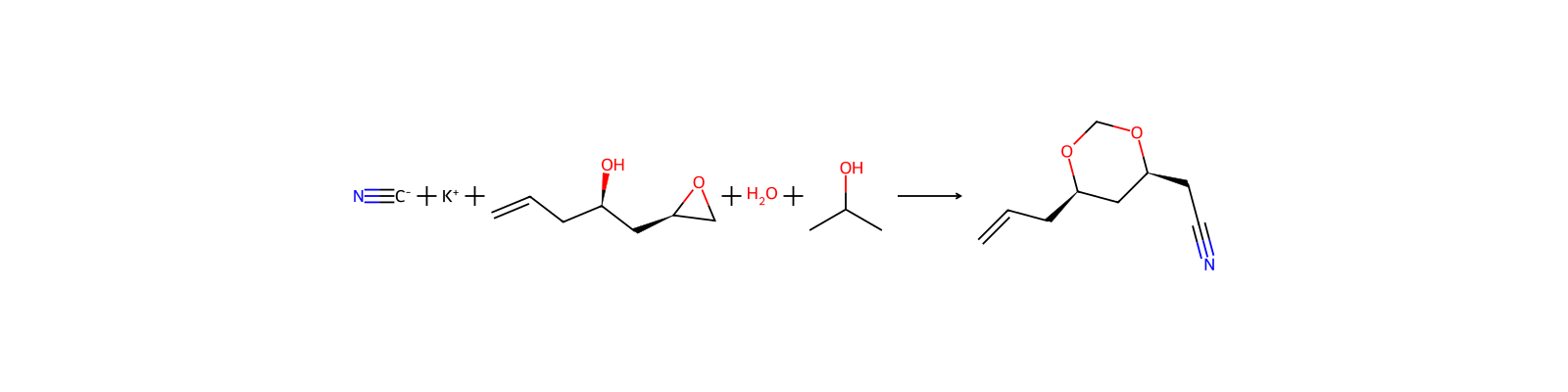
HRID 3335 reaction equation
HRID 3335As reactantuspto-grants-1998_03
HRID 5686 reaction equation
HRID 5686As reactantuspto-grants-1993_09
HRID 5702 reaction equation
HRID 5702As reactantuspto-grants-1993_09
HRID 6745 reaction equation
HRID 6745As reactantuspto-grants-2006_08
HRID 8279 reaction equation
HRID 8279As reactantuspto-grants-2006_08
Page 1 of 308

Compound notes

Loading…

On this pageBasic informationOverviewNames & identifiersPropertiesSafety & regulationChemistry & industryRelated reactionsCompound notes
More actions
New noteNew reactionRequest quotes
EC Number
205-792-3
Nikkaji
J2.554B

72 % at 77 °F (NIOSH, 2024)

Sol in 2 parts cold, 1 part boiling water

Sol in 2 parts glycerol

100 g/100 cc hot water above 176 °F

Sol in 25 parts methanol

For more Solubility (Complete) data for POTASSIUM CYANIDE (13 total), please visit the HSDB record page.

Flash PointNot flammable (EPA, 1998)
Molecular Weight65.116 g/mol
Monoisotopic Mass64.96678049 Da

Physicochemical properties

Melting point
634 °C · 634 °C (lit.)
Boiling point
1625 °C · 1625 °C
Density
1 g/mL · 1.00 g/mL at 20 °C
bulk density
750 kg/m3 · 750kg/m3
vapor pressure
1.8 hPa · 1.8hPa at 634.5℃
Flash point
1625 °C · 1625°C
storage temp.
Poison room
solubility
2 O: · H2O: 1 M at 20 °C, clear, colorless
form
Solid
pka
9.36 · 9.36[at 20 ℃]
color
White
Specific Gravity
1.52 · 1.52
PH
11 · 11-12 (20g/l, H2O, 20°C)
Water Solubility
Highly soluble in water. Soluble in methanol, glycerol, and formamide. Slightly soluble in ethanol.
Specific Heat Capacity
1.02 J/ · Cp(crystal): 1.02 J/(g·K), at 25℃
Sensitive
Hygroscopic
Merck
14 · 14,7626
BRN
4652394 · 4652394
Exposure limits
1 mg/m3; · EU LTEL:1 mg/m3; EU STEL:5 mg/m3
Stability
Stable. Incompatible with a variety of materials, including acids, iodine, peroxides, permanganates, alkaloids, chloral hydrate, metallic salts. Light and moisture sensitive. Contact with acid generates extremely toxic HCN gas.
InChI
1S/CN.K/c1-2;/q-1;+1
InChIKey
NNFCIKHAZHQZJG-UHFFFAOYSA-N
SMILES
[K+].N#[C-]
LogP
-0.252 at · -0.252 at 20℃
CAS DataBase Reference
151 · 151-50-8(CAS DataBase Reference)
EWG's Food Scores
1 · 1
FDA UNII
255 M2ZO · MQD255M2ZO
EPA Substance Registry System
Potassium cyanide (151-50-8)
ECETOC JACC REPORT
POTASSIUM CYANIDE (151-50-8)
Toxicological Profile|ATSDR
POTASSIUM CYANIDE|Toxicological Profile|ATSDR
UNSPSC Code
12352302 · 12352302
NACRES
21 · NA.21
Symbol(GHS)
5 · GHS05,GHS06,GHS08,GHS09
Signal word
Danger
Hazard statements
290 · H290-H300+H310+H330-H372-H410
Precautionary statements
262 · P262-P273-P280-P302+P352+P310-P304+P340+P310-P314
target organs
Thyroid
Hazard Codes
T+,N
Risk Statements
26 · 26/27/28-32-50/53
Safety Statements
7 · 7-28-29-45-60-61
OEL
5 mg/m3 · Ceiling: 5 mg/m3 (4.7 ppm) [10-minute] [*Note: The REL also applies to other cyanides (as CN) except Hydrogen cyanide.]
RIDADR
3413 · UN 3413 6.1/PG I/II/III (POTASSIUM CYANIDE SOLUTION)
WGK Germany
3 · 3
RTECS
8750000 · TS8750000
F
3 · 3-8-10-23
TSCA
TSCA listed
HS Code
2837 · 2837 19 00
HazardClass
6.1 · 6.1
PackingGroup
I
Storage Class
6.1 A · 6.1A - Combustible acute toxic Cat. 1 and 2very toxic hazardous materials
Hazard Classifications
1 OralAcute · Acute Tox. 1 OralAcute Tox. 2 DermalAcute Tox. 2 InhalationAquatic Acute 1Aquatic Chronic 1Met. Corr. 1STOT RE 1
Hazardous Substances Data
151 · 151-50-8(Hazardous Substances Data)
Toxicity
50 orally · LD50 orally in rats: 10 mg/kg (Hayes)
IDLA
25 mg/m3 · 25 mg/m3(as CN)
REACH Registrations
Active
DOT Label · 2 items

Poison

Poison

Fire Hazards · 5 items

Contact with acid releases highly flammable hydrogen cyanide gas. Moisture may cause this material to volatilize as hydrogen cyanide. When heated to decomposition, it emits very toxic fumes of cyanide and nitrogen oxides. Reacts with acids to produce hydrogen cyanide gas. Reacts with strong oxidizers such as nitrates and chlorates, nitrogen trichloride; perchloryl fluoride; sodium nitrate; acids; alkaloids; chloral hydrate; iodine. Avoid contact with acids. (EPA, 1998)

Excerpt from ERG Guide 157 [Substances - Toxic and/or Corrosive (Non-Combustible / Water-Sensitive)]:

· Non-combustible, substance itself does not burn but may decompose upon heating to produce corrosive and/or toxic fumes.

· Non-combustible, substance itself does not burn but may decompose upon heating to produce corrosive and/or toxic fumes.

Not combustible but forms flammable gas on contact with water or damp air. Gives off irritating or toxic fumes (or gases) in a fire.

Health Hazards · 4 items

It is classified as super toxic. Probable oral lethal dose in humans is less than 5 mg/kg or less than a taste (7 drops) for a 150 lb. person. It is an eye and skin irritant. Poisonous in very small quantities; a taste is lethal. (EPA, 1998)

Excerpt from ERG Guide 157 [Substances - Toxic and/or Corrosive (Non-Combustible / Water-Sensitive)]:

· TOXIC and/or CORROSIVE; inhalation, ingestion or contact (skin, eyes) with vapors, dusts or substance may cause severe injury, burns or death.

· TOXIC and/or CORROSIVE; inhalation, ingestion or contact (skin, eyes) with vapors, dusts or substance may cause severe injury, burns or death.

Hazards Summary · 1 item

There are two common scenarios for cyanide poisoning in the industrial setting: 1) mixing acid and cyanide solutions, and 2) pouring cyanide wastes into non-alkaline solutions. Mixing cyanide salts with water, e.g., showering in clothes contaminated with cyanides, will generate hydrogen cyanide gas. Dermal absorption of cyanide salts deposited on large areas of skin can result in fatal poisoning. [Sullivan, p. 705-6] The moist solid form is caustic to skin. [CHRIS] A severe skin, eye, and respiratory tract irritant; [ICSC] The substance may cause effects on the cellular respiration, resulting in convulsions and unconsciousness; The substance may have effects on the thyroid; [ICSC]

DOT ID and Guide · 4 items

3413 157

1680 157

1680 157(solid)

3413 157(solution)

Reactive Group · 2 items

Cyanides, Inorganic

Cyanides, Inorganic

UN ClassificationUN Hazard Class: 6.1; UN Pack Group: I
Explosion Hazards- Chlorates plus potassium cyanide explode when heated.
Special Reports · 5 items

NIOSH; Criteria Document: Hydrogen Cyanide and Cyanide Salts (1976) DHEW Pub. NIOSH 77-108

USEPA/ODW; Health Advisory for: Potassium Cyanide (Draft) (1985)

Nat'l Research Council Canada; Effects of Cyanides on Aquatic Organisms with Emphasis Upon Fresh Water Fishes (1982) NRCC No.19246

DHHS/ATSDR; Toxicological Profile for Cyanide (Update) TP-92/09 (1993)

For more Special Reports (Complete) data for POTASSIUM CYANIDE (6 total), please visit the HSDB record page.

Safety & protection

Fire Fighting · 4 items

Wear full protective clothing. Wear positive pressure breathing apparatus and special protective clothing. Move container from fire area if you can do it without risk. Fight fire from maximum distance. Dike fire control water for later disposal; do not scatter the material.

Excerpt from ERG Guide 157 [Substances - Toxic and/or Corrosive (Non-Combustible / Water-Sensitive)]:

NO hydrous agents. NO water. NO carbon dioxide. In case of fire in the surroundings, use appropriate extinguishing media. In case of fire: keep drums, etc., cool by spraying with water.

- Potassium cyanide is non-combustible.

First Aid Measures · 4 items

Administration of oxygen may be needed. Fresh air, rest. No mouth-to-mouth artificial respiration. Refer immediately for medical attention.

Wear protective gloves when administering first aid. Remove contaminated clothes. Rinse skin with plenty of water or shower. Refer immediately for medical attention .

First rinse with plenty of water for several minutes (remove contact lenses if easily possible), then refer for medical attention.

Rinse mouth. Administration of oxygen may be needed. NO mouth-to-mouth artificial respiration. Do NOT induce vomiting. Refer immediately for medical attention.

Accidental Release Measures · 4 items

· CALL 911. Then call emergency response telephone number on shipping paper. If shipping paper not available or no answer, refer to appropriate telephone number listed on the inside back cover.

· ELIMINATE all ignition sources (no smoking, flares, sparks or flames) from immediate area.

· CALL 911. Then call emergency response telephone number on shipping paper. If shipping paper not available or no answer, refer to appropriate telephone number listed on the inside back cover.

· ELIMINATE all ignition sources (no smoking, flares, sparks or flames) from immediate area.

First Aid · 5 items

Warning: Effects may be delayed. Caution is advised. Vital signs should be monitored closely. Heart palpitation may occur within minutes after exposure.

Excerpt from ERG Guide 157 [Substances - Toxic and/or Corrosive (Non-Combustible / Water-Sensitive)]:

General First Aid:

General First Aid:

(General first aid procedures)

Safe StorageSeparated from strong oxidants, acids, food and feedstuffs, carbon dioxide and products containing water. Dry. Well closed. Keep in a well-ventilated room. Store in an area without drain or sewer access.
Exposure Control and Personal Protection · 4 items

· Wear positive pressure self-contained breathing apparatus (SCBA).

· Wear positive pressure self-contained breathing apparatus (SCBA).

TIH (Toxic Inhalation Hazard) - Term used to describe gases and volatile liquids that are toxic when inhaled. Some are TIH materials themselves, e.g., chlorine, and some release TIH gases when spilled in water, e.g., chlorosilanes. [ERG 2016].

5.0 [mg/m3], as CN, inhalable fraction[German Research Foundation (DFG)]

Fire Fighting Procedures · 4 items

Do not use carbon dioxide extinguisher. Extinguish fire using agent suitable for surrounding fire. Water may be used on nearby fires not involving potassium cyanide. Use water spray to keep fire-exposed containers cool. Use alkali dry chemical.

Carbon dioxide fire extinguishers must not be used where cyanide salts are present. /Cyanide salts/

If material involved in fire: Extinguish fire using agent suitable for type of surrounding fire. (Material itself does not burn or burns with difficulty.) Use water in flooding quantities as fog. Cool all affected containers with flooding quantities of water. Use "alcohol" foam, dry chemical, or carbon dioxide. Use water spray to knock-down vapors. /Potassium cyanide solution/

If material involved in fire: Extinguish fire using agent suitable for type of surrounding fire. (Material itself does not burn or burns with difficulty.) Use foam, dry chemical, or carbon dioxide. Do not use water on material itself. If large quantities of combustibles are involved, use water in flooding quantities as spray and fog. Use water spray to knock-down vapors. /Potassium cyandie, solid/

Storage Conditions · 5 items

PROTECT FROM LIGHT.

ALL CONTAINERS OF CYANIDE SALTS SHOULD BE KEPT COVERED OR IN EXHAUST HOOD WHEN NOT IN USE. /CYANIDES/

Store in a cool, dry, well-ventilated location. Separate from water, acids, and carbon dioxide. Outside or detached storage in preferred.

Cyanide salts as solids must be stored in sealed or tightly closed containers. No hooks should be used in handling cyanide containers. ... Storage areas must be adequately ventilated to ensure that cyanide concentrations do not exceed the recommended workplace environmental limits. /Cyanide salts/

For more Storage Conditions (Complete) data for POTASSIUM CYANIDE (6 total), please visit the HSDB record page.

Cleanup Methods · 5 items

Spills of cyanide salts should be immediately and carefully cleaned up by shoveling the material into a proper container. Care must be exercised to minimize any dispersal of cyanide dust into the air. /Cyanide salts/

WASTE CYANIDE SALTS FROM CASE HARDENING OF STEEL ARE DESTROYED BY REACTING THE SALTS AT 650-700 °C WITH WASTE FERRIC HYDROXIDE SLUDGES FROM VARIOUS SOURCES. /CYANIDE SALTS/

REMOVAL OF COPPER, NICKEL, ZINC, CADMIUM AND CYANIDE FROM PLATING WASTEWATER BY ELECTROFLOTATION. /CYANIDES/

Keep water away from release. Flush spill area with hypochlorite solution. Cover in noncombustible material for proper disposal. Shovel into suitable dry container. Control runoff and isolate discharged material for proper disposal.

For more Cleanup Methods (Complete) data for POTASSIUM CYANIDE (8 total), please visit the HSDB record page.

Nonfire Spill Response · 2 items

Excerpt from ERG Guide 157 [Substances - Toxic and/or Corrosive (Non-Combustible / Water-Sensitive)]:

Excerpt from ERG Guide 157 [Substances - Toxic and/or Corrosive (Non-Combustible / Water-Sensitive)]:

Disposal Methods · 3 items

Generators of waste (equal to or greater than 100 kg/mo) containing this contaminant, EPA hazardous waste number P098; D003, must conform with USEPA regulations in storage, transportation, treatment and disposal of waste.

Cyanide salts should not be flushed into any drain which may contain or subsequently receive acid waste. ... Cyanide process waste solutions and flushings from spills should be passed through a cyanide waste disposal system. /Cyanide salts/

Potassium cyanide is a poor candidate for incineration.

Spillage Disposal · 1 item

Evacuate danger area! Consult an expert! Personal protection: complete protective clothing including self-contained breathing apparatus. Do NOT let this chemical enter the environment. Ventilation. Sweep spilled substance into covered dry, sealable, labelled containers. Cautiously neutralize remainder with sodium hypochlorite solution.

Toxicology

Body BurdenCyanide is present in normal healthy human organs at concentrations ranging up to 0.5 mg/kg. /Cyanide/
Treatment · 1 item

Antidotes to cyanide poisoning include hydroxocobalamin and sodium nitrite, which release the cyanide from the cytochrome system, and rhodanase, which is an enzyme occurring naturally in mammals that combines serum cyanide with thiosulfate, producing comparatively harmless thiocyanate. Oxygen therapy can also be administered. (L97)

Interactions · 5 items

CHLORPROMAZINE ANTAGONISM OF CYANIDE INTOXICATION WAS POTENTIATED BY SODIUM THIOSULFATE. CHLORPROMAZINE & SODIUM NITRITE DID NOT PROTECT AGAINST KCN LETHALITY BETTER THAN NITRITE ALONE.

To elucidate the interaction of carbon monoxide (CO) and cyanide, the fluorescence which represents the intracellular reduced pyridine nucleotide was measured on the rabbit kidney surface in situ. Various doses of potassium cyanide, 2-8 umol/kg, were administered intravenously with and without inhalation of 1, 2 and 3% carbon monoxide via a respirator. The dose-response relationship between potassium cyanide and the fluorescence increase fitted a salient sigmoid curve with a steep slope, and carbon monoxide was potent to increase fluorescence independently and shifted the dose response curve for potassium cyanide to the left. The combined effect of carbon monoxide and potassium cyanide was of a critical dose for intracellular respiration, it had the appearance of synergism.

Previous reports indicated that prophylactic protection against cyanide intoxication in mice can be enhanced by administration of chlorpromazine when it is given with sodium thiosulfate. The mechanism of potentiation of sodium thiosulfate by chlorpromazine was studied alone and in combination with sodium nitrite. Although chlorpromazine was found to induce a hypothermic response, the mechanism of enhancement of the antagonism of cyanide by chlorpromazine does not correlate with the hypothermia produced. Various other possible mechanisms were investigated, such as rate of methemoglobin formation, enzymatic activity of rhodanese and cytochrome oxidase, and alpha-adrenergic blockade. The alpha-adrenergic blocking properties of chlorpromazine may provide a basis for its antidotal effect, since this protective effect can be reversed with an alpha-antagonist, methoxamine. /Cyanide/

The interaction of 7 beta-adrenergic blocking agents with salbutamol and isoproterenol was studied in the potassium cyanide test in rats. Salbutamol (albuterol) was used at a dose that provided protection from potassium cyanide (KCN) lethality and isoproterenol at an overdose that failed to protect, presumably because of latent cardiotoxicity. Salbutamol-induced protection was abolished by drugs at the following doses (sc, mg/kg); timolol (0.0085), bunolol (0.010), propranolol (0.038), pindolol (0.15), metoprolol (3.93), atenolol (5.69), and practolol (>10.0). Survival was restored dose dependently in isoproterenol-overdosed rats only by atenolol (0.44), practolol (0.51) and metoprolol (1.06). The cardioselectivity ratio (ie, salbutamol antagonism/isoproterenol antagonism) for these 3 compounds was as follows: practolol (>19.6), atenolol (12.9), and metoprolol (3.82).

For more Interactions (Complete) data for POTASSIUM CYANIDE (13 total), please visit the HSDB record page.

Target Organs · 2 items

Reproductive

Eyes, skin, respiratory system, cardiovascular system, central nervous system, thyroid, blood

Health Effects · 1 item

Exposure to high levels of cyanide for a short time harms the brain and heart and can even cause coma, seizures, apnea, cardiac arrest and death. Chronic inhalation of cyanide causes breathing difficulties, chest pain, vomiting, blood changes, headaches, and enlargement of the thyroid gland. Skin contact with cyanide salts can irritate and produce sores. (L96, L97)

Environmental Fate · 1 item

Aquatic Fate: The alkali metal salts are very soluble in water, and as a result, they readily dissociate into their respective anions and cations upon release to water. The resulting cyanide ion may then form hydrogen cyanide or react with various metals present in natural water. If the cyanide ion is present in excess, complex metallocyanides may form; however, if metals are prevalent, simple metal cyanides may form. /Alkali metal cyanides/

Adverse EffectsOther Poison - Chemical Asphyxiant
Exposure Routes · 4 items

The substance can be absorbed into the body by inhalation, through the skin and by ingestion.

inhalation, skin absorption, ingestion, skin and/or eye contact

Potassium cyanide can affect the body by ingestion, inhalation, skin contact, or eye contact.

Inhalation (L96) ; oral (L96) ; dermal (L96)

Toxicity Summary · 2 items

IDENTIFICATION: Other cyanides, such as sodium and potassium cyanide, are solid or crystalline hygroscopic salts widely used in ore extracting processes for the recovery of gold and silver, electroplating, case-hardening of steel, base metal flotation, metal degreasing, dyeing, printing, and photography. They are also widely used in the synthesis of organic and inorganic chemicals (e.g., nitriles, carboxylic acids, amides, esters, and amines; heavy metal cyanides) and in the production of chelating agents. HUMAN EXPOSURE: Cyanides are well absorbed via the gastrointestinal tract or skin and rapidly absorbed via the respiratory tract. Once absorbed, cyanide is rapidly and ubiquitously distributed throughout the body, although the highest levels are typically found in the liver, lungs, blood, and brain. There is no accumulation of cyanide in the blood or tissues following chronic or repeated exposure. Approximately 80% of absorbed cyanide is metabolized to thiocyanate in the liver by the mitochondrial sulfur transferase enzyme rhodanese and other sulfur transferases. Thiocyanate is excreted in the urine. Minor pathways for cyanide detoxification involve reaction with cystine to produce aminothiazoline- and iminothiazolidinecarboxylic acids and combination with hydroxycobalamin (vitamin B12a) to form cyanocobalamin (vitamin B12); these end-products are also excreted in the urine. The principal features of the toxicity profile for cyanide are its high acute toxicity by all routes of administration, with a very steep and rate-dependent dose-effect curve, and chronic toxicity, probably mediated through the main metabolite and detoxification product, thiocyanate. The toxic effects of cyanide ion in humans and animals are generally similar and are believed to result from inactivation of cytochrome oxidase and inhibition of cellular respiration and consequent histotoxic anoxia. The primary targets of cyanide toxicity in humans are the cardiovascular, respiratory, and central nervous systems. The endocrine system is also a potential target for long-term toxicity, as a function of continued exposure to thiocyanate, which prevents the uptake of iodine in the thyroid and acts as a goitrogenic agent. Sequele after severe acute intoxications may include neuropsychiatric manifestations and Parkinson-type disease. Cyanide from tobacco smoke has been implicated as a contributing factor in tobacco-alcohol amblyopia. Long-term exposure to lower concentrations of cyanide in occupational settings can result in a variety of symptoms related to central nervous system effects. Cyanides are weakly irritating to the skin and eye; alkali salts have not been identified. ANIMAL/PLANT STUDIES: The principal features of the toxicity profile for cyanide are its high acute toxicity by all routes of administration, with a very steep and rate-dependent dose-effect curve, and chronic toxicity, probably mediated through the main metabolite and detoxification product, thiocyanate. The toxic effects of cyanide ion in humans and animals are generally similar and are believed to result from inactivation of cytochrome oxidase and inhibition of cellular respiration and consequent histotoxic anoxia. The primary targets of cyanide toxicity in animals are the cardiovascular, respiratory, and central nervous systems. The endocrine system is also a potential target for long-term toxicity, as a function of continued exposure to thiocyanate, which prevents the uptake of iodine in the thyroid and acts as a goitrogenic agent. In a 13-week repeated-dose toxicity study in which cyanide was administered in drinking-water, there were no clinical signs associated with central nervous system effects or histopathological effects in the brain or thyroid of rats or mice. There were slight changes in the reproductive tract in male rats, which, although they apparently would not affect fertility in rats. The examination of neurotoxicity in this study was limited to clinical observation and optical microscopy in autopsy. The few available studies specifically intended to investigate neurotoxicity, while reporting adverse effects at exposure levels of 1.2 mg cyanide/kg body weight per day in rats and 0.48 mg cyanide/kg body weight per day in goats, suffer from weaknesses that preclude their quantitative assessment. In relation to characterization of concentration-response for repeated-dose toxicity for inhalation (relevant principally to the occupational environment), in three separate studies in rats, there were no adverse systemic effects in rats exposed to acetone cyanohydrin, which is rapidly hydrolysed to hydrogen cyanide at physiological pH, at concentrations up to 211 mg/m3 (corresponding to a concentration of 67 mg hydrogen cyanide/m3). The steepness of the dose-effect curve is illustrated by the observation of 30% mortality among rats exposed part of the day to 225 mg acetone cyanohydrin/m3 (71 mg hydrogen cyanide/m3). Adverse effects of exposure to the low concentrations of cyanide that are generally present in the general environment (<1 ug/m3 in ambient air; <10 ug/litre in water) are unlikely. /Cyanide/

Signs and Symptoms · 6 items

Nausea. Dizziness. Drowsiness. Sore throat. Headache. Confusion. Weakness. Shortness of breath. Convulsions. Unconsciousness.

MAY BE ABSORBED! Redness. Pain. Further see Inhalation.

Redness. Pain. Further see Inhalation.

Burning sensation. Nausea. Vomiting. Diarrhoea. See Inhalation.

irritation eyes, skin, upper respiratory system; asphyxia; lassitude (weakness, exhaustion), headache, confusion; nausea, vomiting; increased resp rate, slow gasping respiration; thyroid, blood changes

- Redness, pain, severe burns, and tissue damage (ulceration).

ICSC Environmental DataThe substance is very toxic to aquatic organisms.
EPA IRIS Information · 3 items

Potassium cyanide

Reproductive

2 x 10 ^-3 mg/kg-day

Regulatory information

RCRA Requirements · 2 items

P098; As stipulated in 40 CFR 261.33, when potassium cyanide, as a commercial chemical product or manufacturing chemical intermediate or an off-specification commercial chemical product or a manufacturing chemical intermediate, becomes a waste, it must be managed according to federal and/or state hazardous waste regulations. Also defined as a hazardous waste is any container or inner liner used to hold this waste or any residue, contaminated soil, water, or other debris resulting from the cleanup of a spill, into water or on dry land, of this waste. Generators of small quantities of this waste may qualify for partial exclusion from hazardous waste regulations (40 CFR 261.5(e)).

/SRP:/ D003; A solid waste containing potassium cyanide may become characterized as a hazardous waste when subjected to testing for reactivity as stipulated in 40 CFR 261.23, and if so characterized, must be managed as a hazardous waste.

FIFRA Requirements · 1 item

As the federal pesticide law FIFRA directs, EPA is conducting a comprehensive review of older pesticides to consider their health and environmental effects and make decisions about their future use. Under this pesticide reregistration program, EPA examines health and safety data for pesticide active ingredients initially registered before November 1, 1984, and determines whether they are eligible for reregistration. In addition, all pesticides must meet the new safety standard of the Food Quality Protection Act of 1996. Pesticides for which EPA had not issued Registration Standards prior to the effective date of FIFRA 1988 were divided into three lists based upon their potential for human exposure and other factors, with List B containing pesticides of greater concern and List D pesticides of less concern. Potassium cyanide is found on List C. Case No: 3086; Pesticide type: rodenticide; Case Status: Reregistration Eligibility Decision Approved 9/94, PB95-173514 - OPP has made a decision that some/all uses of the pesticide are eligible for reregistration, as reflected in a Reregistration Eligibility Decision (RED) document.; Active ingredient (AI): potassium cyanide; AI Status: Cancelled - The AI is no longer contained in any registered pesticide product.

CERCLA Reportable Quantities · 2 items

Persons in charge of vessels or facilities are required to notify the National Response Center (NRC) immediately, when there is a release of this designated hazardous substance, in an amount equal to or greater than its reportable quantity of 10 lb or 4.54 kg. The toll free number of the NRC is (800) 424-8802; In the Washington D.C. metropolitan area (202) 426-2675. The rule for determining when notification is required is stated in 40 CFR 302.4 (section IV. D.3.b).

Releases of CERCLA hazardous substances are subject to the release reporting requirement of CERCLA section 103, codified at 40 CFR part 302, in addition to the requirements of 40 CFR part 355. Potassium cyanide is an extremely hazardous substance (EHS) subject to reporting requirements when stored in amounts in excess of its threshold planning quantity (TPQ) of 100 lbs.

Clean Water Act Requirements · 2 items

Potassium cyanide is designated as a hazardous substance under section 311(b)(2)(A) of the Federal Water Pollution Control Act and further regulated by the Clean Water Act Amendments of 1977 and 1978. These regulations apply to discharges of this substance. This designation includes any isomers and hydrates, as well as any solutions and mixtures containing this substance.

Toxic pollutant designated pursuant to section 307(a)(1) of the Federal Water Pollution Control Act and is subject to effluent limitations. /Cyanides/

State Drinking Water Standards(CA) CALIFORNIA 150 ug/L /Cyanide ion/
DHS Chemicals of Interest (COI) · 4 items

Potassium cyanide

A Commercial Grade

A Placarded Amount

Chemical or material that can be mixed with readily available materials.

State Drinking Water Guidelines · 3 items

(AZ) ARIZONA 220 ug/l /Cyanide ion/

(ME) MAINE 140 ug/l /Cyanide ion/

(MN) MINNESOTA 100 ug/l /Cyanide ion/

Federal Drinking Water GuidelinesEPA 200 ug/l /Cyanide ion/

Safety data

F
3-8-10-23
OEL
Ceiling: 5 mg/m3 (4.7 ppm) [10-minute] [*Note: The REL also applies to other cyanides (as CN) except Hydrogen cyanide.]
wgk
3
IDLA
25 mg/m3(as CN)
tsca
TSCA listed
rtecs
TS8750000
ridadr
UN 3413 6.1/PG I/II/III (POTASSIUM CYANIDE SOLUTION)
hs_code
2837 19 00
Toxicity
LD50 orally in rats: 10 mg/kg (Hayes)
risk_code
26/27/28-32-50/53
Signal word
Danger
Symbol(GHS)
GHS05,GHS06,GHS08,GHS09
hazard_code
T+,N
safety_code
7-28-29-45-60-61
hazard_class
6.1
Storage Class
6.1A - Combustible acute toxic Cat. 1 and 2very toxic hazardous materials
packing_group
I
target organs
Thyroid
Hazard statements
H290-H300+H310+H330-H372-H410
REACH Registrations
Active
Hazard Classifications
Acute Tox. 1 OralAcute Tox. 2 DermalAcute Tox. 2 InhalationAquatic Acute 1Aquatic Chronic 1Met. Corr. 1STOT RE 1
Precautionary statements
P262-P273-P280-P302+P352+P310-P304+P340+P310-P314
Hazardous Substances Data
151-50-8(Hazardous Substances Data)

Aliphatic nitriles have been postulated to manifest their toxicity through cyanide (CN) liberation. The signs of toxicity and effect of equitoxic LD50 doses of saturated and unsaturated aliphatic mono- and dinitriles on tissue and blood CN levels, tissue glutathione levels and cytochrome c oxidase activities were studied in rats. Signs of toxicity were classified into cholinomimetic effects observed with unsaturated nitriles and CNS effects observed with saturated potassium cyanide. Hepatic and blood CN levels 1 hr after treatment were highest following malononitrile and decreased in the order of propionitrile > potassium cyanide > butyronitrile > acrylonitrile > allylcyanide > fumaronitrile > acetonitrile. The order differed in brain where potassium cyanide preceded malononitrile and PCN. Hepatic and cytochrome c oxidase were significantly inhibited and corresponded to their CN levels. No significant inhibition of cytochrome c oxidase was observed in vitro. Acrylonitrile was the only nitrile which significantly reduced tissue GSH levels. Toxic expression of aliphatic nitriles depended on CN release and their degree of unsaturation. With unsaturated aliphatic nitriles CN release played a minimal role in their toxicity. /Cyanides/

Rhizopus oryzae, a mucoraceous fungus associated with the postharvest spoilage of cassava was found to effectively metabolize cyanide. Degradation of cyanogenic glycosides of cassava by R oryzae was studied by growing the organism in potato dextrose broth with and without linarmarin and potassium cyanide. The influence of adaptation of the organism to low and high cyanide concentrations on both growth and the release of extracellular rhodanese into cyanide containing media was studied. Nonadapted cultures of R oryzae grow poorly when compared with the cyanide adapted cultures. However non-adapted R oryzae cultures released large quantities of rhodanese when compared with the adapted ones. Potassium cyanide (1.0 mM) was found to be an efficient inducer of rhodanese whereas potassium cyanide (5.0 mM) repressed the release of rhodanese. A significant inductive effect was produced by thiosulphate and thiocyanate.

For more Metabolism/Metabolites (Complete) data for POTASSIUM CYANIDE (9 total), please visit the HSDB record page.

Organic nitriles are converted into cyanide ions through the action of cytochrome P450 enzymes in the liver. Cyanide is rapidly absorbed and distributed throughout the body. Cyanide is mainly metabolized into thiocyanate by either rhodanese or 3-mercaptopyruvate sulfur transferase. Cyanide metabolites are excreted in the urine. (L96)

MeSH Pharmacological Classification · 2 items

Compounds or agents that combine with an enzyme in such a manner as to prevent the normal substrate-enzyme combination and the catalytic reaction.

Substances which, when ingested, inhaled, or absorbed, or when applied to, injected into, or developed within the body in relatively small amounts may, by their chemical action, cause damage to structure or disturbance of function. (From Dorland, 27th ed)

Absorption, Distribution and Excretion · 5 items

IN 30 DAYS, 72% OF (14)C FROM IP DOSE OF (14)C-CYANIDE TO MICE WAS EXCRETED IN URINE & FECES, 25% IN EXPIRED AIR, & 3% WAS RETAINED ... PEAK EXCRETION OCCURRED WITHIN 10 MIN IN EXPIRED AIR & WITHIN 6-24 HR IN URINE & FECES. /CYANIDE/

CYANIDE ION IS READILY ABSORBED AFTER ORAL OR PARENTERAL ADMIN. PROLONGED LOCAL CONTACT WITH CYANIDE SOLN ... MAY RESULT IN ABSORPTION OF TOXIC AMT THROUGH SKIN. PART OF ABSORBED CYANIDE IS EXCRETED UNCHANGED BY THE LUNG. LARGER PORTION ... CONVERTED BY SULFURTRANSFERASE TO RELATIVELY NONTOXIC THIOCYANATE ION. /CYANIDE/

AFTER IM INJECTION OF POTASSIUM CYANIDE AT 10 MG(CN)/KG IN SHEEP, THE CN CONCN IN WHOLE BLOOD WAS 2-3 TIMES AS HIGH AS IN PLASMA, SERUM, CEREBROSPINAL FLUID, CAUDATE NUCLEUS & WHITE MATTER.

The excretion of (14)C-labeled cyanide in rats exposed to chronic intake of potassium cyanide was studied in rats exposed to daily intake of labeled potassium cyanide in the diet for 6 weeks. Urinary excretion was the main route of elimination of cyanide carbon in these rats, accounting for 83% of the total excreted radioactivity in 12 hr and 89% of the total excreted radioactivity in 24 hr. The major excretion metabolite of cyanide in urine was thiocyanate, and this metabolite accounted for 71 and 79% of the total urinary activity in 12 hr and 24 hr, respectively. When these results were compared with those observed for control rats, it was clear that the mode of elimination of cyanide carbon in both urine and breath was not altered by the chronic intake of cyanide.

For more Absorption, Distribution and Excretion (Complete) data for POTASSIUM CYANIDE (9 total), please visit the HSDB record page.

Uses & manufacturing

Uses · 6 items

Used mainly for silver plating; Also used in steel hardening, gold and silver extraction, and fumigation (fruit trees, ships, railroad cars, and warehouses); [HSDB] Used in photography (reducer); [www.ci.tucson.az.us/arthazards/medium.html]

This chemical ingredient is not found in any products. [National Pesticide Information Retrieval System]

Steel Producing [Category: Industry]

PC Code(s): 599600, 0 labels match

ELECTROPLATING, STEEL HARDENING, EXTRACTION OF GOLD & SILVER FROM ORES; FUMIGATION OF FRUIT TREES, SHIPS, RAILWAY CARS, WAREHOUSES

Reagent in analytical chemistry, in insecticide, extraction of gold and silver from ores.

ImpuritiesThe principal impurities are potassium carbonate, formate, and hydroxide.
U.S. Exports · 2 items

(1984) 1.25X10+8 g

(1987) 32,145 lb

U.S. Imports · 3 items

(1984) 1.87X10+8 g

(1986) 1.47X10+6 lb

(1987) 1,468,423 lb

U.S. Production2023: 1,263,579 lb
Industry UsesPlating agent
Methods of ManufacturingManufactured by the reaction of an aqueous solution of potassium hydroxide with hydrogen cyanide.
Formulations/Preparations · 5 items

Grades: Commercial; Pure; Solution; Reagent

The article of commerce contains about 95% KCN.

M-44 capsules (Potassium cyanide); Pelleted/tabletted; 89.0% potassium cyanide (599600)

To prepare 99.5% /use/ high quality potassium cyanide and potassium hydroxide.

Commercial potassium cyanide made by neutralization or wet process ... contains 99% potassium cyanide.

General Manufacturing Information · 2 items

Primary Metal Manufacturing

Potassium cyanide (K(CN)): ACTIVE

Applications · 7 items

UsesPotassium cyanide (KCN) is a white crystalline substance with a slight odor of bitter almonds. It is produced when hydrogen cyanide is absorbed in potassium hydroxide. It is used to extract gold and silver from their ores, in electroplating computer boards, and as an insecticide. Potassium cyanide is very toxic to the skin or when ingested or inhaled, and it is used as a source of cyanide (CN) gas in gas chambers.

DescriptionPotassium cyanide, in addition to processes already described, can be prepared by the reaction of potassium carbonate with calcium hexacyanoferrate(II) or by thermal decomposition of K4Fe(CN)6 above 435°C. Rubidium and cesium cyanides can be prepared by the reaction of HCN with the metal hydroxides in alcohol or ether or with the corresponding metals in anhydrous ether or benzene. Hydrogen reduction of metal cyanates produces water and the corresponding cyanide, as does reduction with carbon monoxide.

DescriptionPotassium cyanide, KCN, is a cyanide salt that is found as a white, amorphous, deliquescent lump or crystalline mass with a faint odor of bitter almonds. It is soluble in water and has a specific gravity of 1.52. It is a poison that is absorbed through the skin. Target organs are the same as for sodium cyanide. Reaction with acids releases flammable and toxic hydrogen cyanide gas. The four-digit UN identification number is 1680. The NFPA 704 designation is health 3, flammability 0, and reactivity 0. The primary uses are in gold and silver ore extraction, insecticides, fumigants, and electroplating.

UsesExtracting gold and silver from ores; electroplating baths; silver plating; case hardening steel by liquid nitriding; reagent in analytical chemistry.

UsesPotassium cyanide is a white granular salt made by the absorption of hydrogen cyanide in potassium hydroxide. It is soluble in both water and alcohol and a lethal poison. If mixed with acids it produces highly toxic hydrogen cyanide gas. This was the preferred fixing chemical for collodion positives because it contained no sulfides to darken the highlight silver. As a fixing agent cyanide was particularly effective. After dissolving the unexposed silver halides cyanide would also remove nonimage fog producing very clean shadow areas. Prolonged fixing would eventually remove image silver. Tincture of iodine was added to dilute solutions of potassium cyanide and used to remove unwanted non-image silver in photographic materials and to remove silver stains.

UsesPotassium cyanide is used for electrolytic refining of platinum; fine silver plating; as an electrolyte for the separation of gold, silver, and copper from platinum; and for metal coloring.

General DescriptionWhite amorphous lumps or a crystalline mass with a faint odor of bitter almonds. Density 1.52 g / cm3 Toxic by skin absorption through open wounds, by ingestion. Heating to decomposition produces toxic fumes. Used for gold and silver extraction, in chemical analysis, to make other chemicals, and as an insecticide.

Upstream & downstream products

Upstream raw materials

Potassium hydroxide solutionHydrogen cyanide

Downstream products

POTASSIUM DICYANOAURATE(I)2,2'-FuroinMephenytoin7-Methyladenine1H-Indazole-5-carbonitrile2-Amino-2-methyl-propionitrileDichloroacetamideMolsidomineFuril3-Cyanoquinoline1-Isoquinolinecarbonitrile1-Cyano-2-benzoyl-1,2-dihydroisoquinoline2-Methylbenzoyl cyanide4-(N-Cyanomethyl-N-nitroso)aminomorpholine2-Naphthalen-1-yl-ethylamine4-Fluoro-2-nitrobenzonitrileBenzoinQuinoline-2-carbonitrile4-Chloro-pyridine-2-carbonitrile2-AminopropanenitrileCycloleucinol1-Methyl-4-nitro-1H-imidazole-5-carbonitrileBoc-L-beta-HomoprolineDL-Valine3-Morpholinosydnonimine hydrochlorideSuccinonitrile2-(1,5-Dimethyl-1H-pyrazol-3-yl)acetonitrile ,97%2-Methylglutaric acidSilver cyanidePotassium dicyanoauratePyridine-2,4-dicarbonitrileTHALLIUMQuinaldic acid2-Amino-3-methylbutanenitrile5-(Aminomethyl)-5-methylpyrrolidin-2-one3-Methoxy-2-methylbenzoic acid2-Cyano-4-methylpyridine5-Amino-pyrimidine-2-carboxylic acid2-(4-Biphenyl)ethylamineEthyl 2,3-dicyanopropionate
Additional notes · 1 item

DefinitionChEBI: Potassium cyanide is a cyanide salt containing equal numbers of potassium cations and cyanide anions. It has a role as an EC 1.9.3.1 (cytochrome c oxidase) inhibitor, an EC 1.15.1.1 (superoxide dismutase) inhibitor and a neurotoxin. It is a cyanide salt, a one-carbon compound and a potassium salt.

Organic nitriles decompose into cyanide ions both in vivo and in vitro. Consequently the primary mechanism of toxicity for organic nitriles is their production of toxic cyanide ions or hydrogen cyanide. Cyanide is an inhibitor of cytochrome c oxidase in the fourth complex of the electron transport chain (found in the membrane of the mitochondria of eukaryotic cells). It complexes with the ferric iron atom in this enzyme. The binding of cyanide to this cytochrome prevents transport of electrons from cytochrome c oxidase to oxygen. As a result, the electron transport chain is disrupted and the cell can no longer aerobically produce ATP for energy. Tissues that mainly depend on aerobic respiration, such as the central nervous system and the heart, are particularly affected. Cyanide is also known produce some of its toxic effects by binding to catalase, glutathione peroxidase, methemoglobin, hydroxocobalamin, phosphatase, tyrosinase, ascorbic acid oxidase, xanthine oxidase, succinic dehydrogenase, and Cu/Zn superoxide dismutase. Cyanide binds to the ferric ion of methemoglobin to form inactive cyanmethemoglobin. (L97)