HomeMCPWorkbenchSkills
HomeWorkbenchNotificationsMe
llms.txt · MCP GuidePrivacy Policy · Terms of Service · Supportv1.8.0
  1. Home
  2. /Compound

Nitrate

HCID 943
New noteNew reactionRequest quotes
Print preview
Basic informationOverviewNames & identifiersPropertiesSafety & regulationChemistry & industryRelated reactionsCompound notes
Substructure searchFind similar structures

Basic information

CAS
14797-55-8
Standard SMILES
O=[N+]([O-])[O-]
InChIKey
NHNBFGGVMKEFGY-UHFFFAOYSA-N
Molecular formula
NO3-
Average molar mass
62.005 g/mol
Monoisotopic mass
61.98781786

Overview

Nitrate is a nitrogen oxoanion formed by loss of a proton from nitric acid. Principal species present at pH 7.3. It is a nitrogen oxoanion, a member of reactive nitrogen species and a monovalent inorganic anion. It is a conjugate base of a nitric acid.

Names & identifiers

Preferred name
Nitrate
IUPAC
nitrate
English name
NITRATE
Molecular formula
NO3-
Molecular weight
62

Names & synonyms

nitrateNITRATE ION14797-55-8NitratesNitrate(1-)trioxonitrate(1-)trioxidonitrate(1-)INORGANIC NITRATEST93E9Y2844DTXSID5024217CHEBI:17632RefChem:6470
Show more names
NITRATE STANDARDSEKKEN-KNANO2 99% MINSODIUM NITRATNITROGEN STANDARDNITRATE IC STANDARDNITRATE ION STANDARD
DTXCID904217NO3-MFCD00144920UN3218CHEMBL186200Nitrate (6CI,7CI,8CI,9CI)UN1447NO3

Database identifiers

CAS
14797-55-8
PubChem CID
943
DTXSID
DTXSID5024217
ChEMBL
CHEMBL186200
ChEBI
CHEBI:17632
UNII
T93E9Y2844
Nikkaji
J215.749G

Properties

Computed structural properties

XLogP
-1.4
Topological polar surface area
62.9 Ų
Hydrogen bond donors
0
Hydrogen bond acceptors
3
Rotatable bonds
0
Heavy atoms
4
Formal charge
-1
Complexity
18.8

Experimental & physicochemical properties

Chemical ClassesNutrient
SpringerMaterials PropertiesSchoenflies notation
PesticidesPesticide -> EPA IRIS
Endocrine DisruptorsPotential endocrine disrupting compound
Physical DescriptionSolid

Physicochemical properties

storage temp.
2 · 2-8°C
form
Liquid
color
Clear colorless
Water Solubility
Miscible with water.
InChI
InChI=1S/NO3/c2-1(3)4/q-1
InChIKey
NHNBFGGVMKEFGY-UHFFFAOYSA-N
EPA Primary Drinking Water Standard
10 · MCL:10,MCLG:10
SMILES
[N+]([O-])([O-])=O

Safety & regulation

Safety information is for reference only and does not replace the supplier’s Safety Data Sheet (SDS), applicable regulations, or professional assessment.

Hazard information

Regulatory Information · 2 items

Hazard Traits - Hematotoxicity

Regulation (EC) No 1831/2003 (amended)

DOT LabelOxidizer
Fire HazardsExcerpt from ERG Guide 140 [Oxidizers]:
Health HazardsExcerpt from ERG Guide 140 [Oxidizers]:
Reactive GroupNitrate and Nitrite Compounds, Inorganic
Reactivity AlertsExplosive
Reactivity Profile · 1 item

Mixtures of metal/nonmetal nitrates with alkyl esters may explode, owing to the formation of alkyl nitrates; mixtures of a nitrate with phosphorus, tin (II) chloride, or other reducing agents may react explosively [Bretherick 1979 p. 108-109].

DOT Hazard Classification · 6 items

Nitrates, inorganic, aqueous solution, n.o.s.

UN3218

Div 5.1 Oxidizer (49 eCFR § 173.127)

PG II: the degree of danger presented by the material is medium

Nitrates, inorganic, n.o.s.

UN1477

Air and Water ReactionsNo rapid reaction with air. No rapid reaction with water.

Safety & protection

Fire FightingExcerpt from ERG Guide 140 [Oxidizers]:

Chemistry & industry

Pharmacology

Metabolism/Metabolites · 1 item

Intake of some amount of nitrates and nitrites is a normal part of the nitrogen cycle in humans. In vivo conversion of nitrates to nitrites can occur in the gastrointestional tract under the right conditions, significantly enhancing nitrates' toxic potency. The major metabolic pathway for nitrate is conversion to nitrite, and then to ammonia. Nitrites, nitrates, and their metabolites are excreted in the urine. (L1137)

Tissue LocationsAdipose Tissue

Uses & manufacturing

UsesNitrates and nitrites are naturally produced and may also be found in pesticides. Exposure usually occurs from contact with contaminated soil, food water. Nitrates may also be found in certain drugs. (L1137)
Use ClassificationFood Additives -> COLOUR_RETENTION_AGENT; PRESERVATIVE -> JECFA Functional Classes
Applications · 5 items

DescriptionNitrate is commonly found in drinking water sources especially in agricultural areas where nitrogen fertilizer is used, and where unregulated shallow private wells are more at the risk of contamination. The World Health Organization (WHO) guideline of 50 ppm and the US maximum contaminant level (MCL) of 45 ppm for nitrate in drinking water have been established for protecting infants from methemoglobinemia, commonly known as blue baby syndrome. The health protective value continues to be a subject of public health interest for many years, with varying opinion on whether it is too high or too low. Evaluation of nitrate will need to include consideration of nitrite because both are closely related in the nitrogen cycle in the environment and the body, and nitrite plays a major role in inducing toxicity after its formation from nitrate. More recently, reports of nitrate in drinking water, especially at levels higher than 50 ppm, have been associated with other health effects other than methemoglobinemia. This toxicological review provides an update on the health effects of nitrate with a focus on methemoglobinemia, reproductive and developmental effects, potential carcinogenicity, and especially endocrine/thyroid effects.

Related reactions

914 records
New reaction record
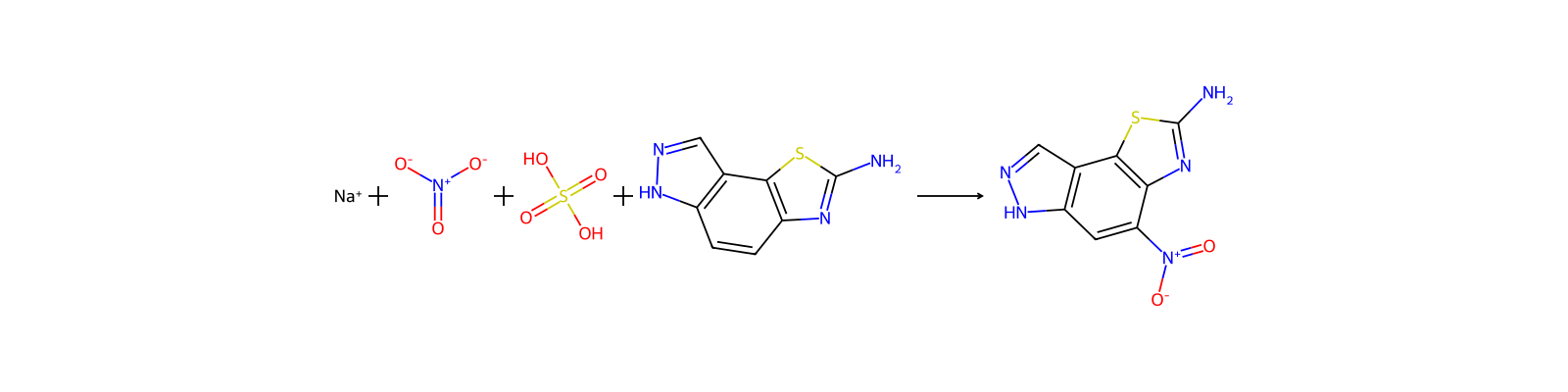
HRID 5222 reaction equation
HRID 5222As reactantuspto-grants-1993_09
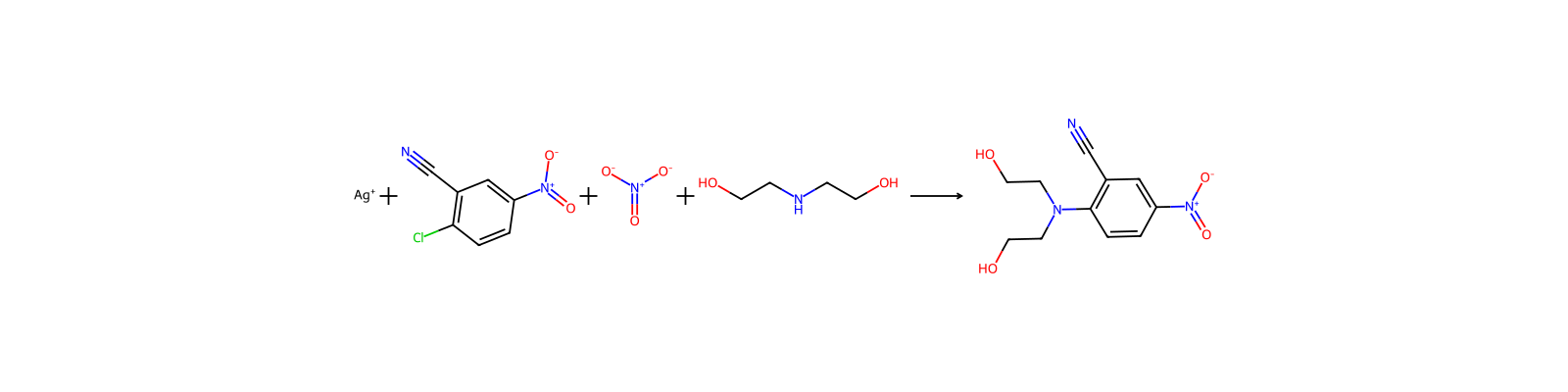
HRID 11865 reaction equation
HRID 11865As reactantuspto-grants-2006_08
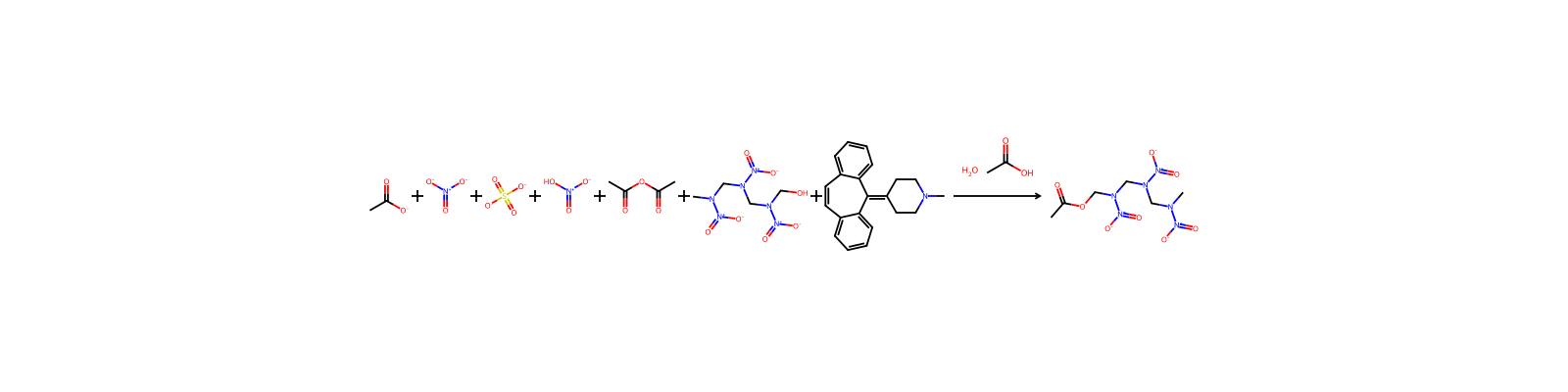
HRID 85788 reaction equation
HRID 85788As reactantTraining data from https://doi.org/10.1039/C8SC04228D (2/10)
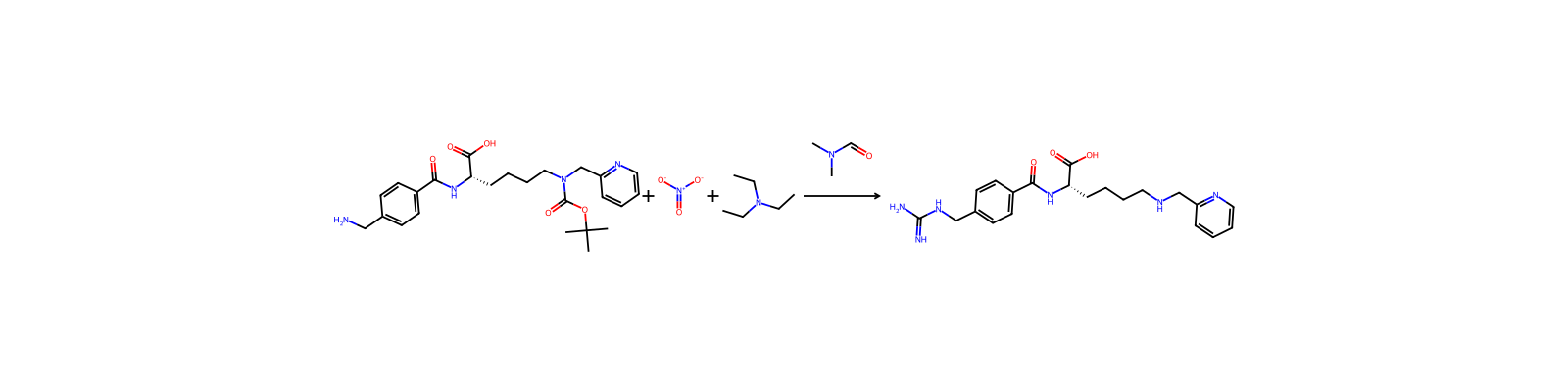
HRID 86768 reaction equation
HRID 86768As reactantTraining data from https://doi.org/10.1039/C8SC04228D (2/10)
HRID 87686 reaction equation
HRID 87686As reactantTraining data from https://doi.org/10.1039/C8SC04228D (2/10)
HRID 88903 reaction equation
HRID 88903As reactantTraining data from https://doi.org/10.1039/C8SC04228D (2/10)
HRID 89500 reaction equation
HRID 89500As reactantTraining data from https://doi.org/10.1039/C8SC04228D (2/10)
HRID 89690 reaction equation
HRID 89690As reactantTraining data from https://doi.org/10.1039/C8SC04228D (2/10)
Page 1 of 115

Compound notes

Loading…

On this pageBasic informationOverviewNames & identifiersPropertiesSafety & regulationChemistry & industryRelated reactionsCompound notes
More actions
New noteNew reactionRequest quotes
FDA 21 CFR
165.11 · 165.110
EWG's Food Scores
1 · 1
FDA UNII
93 E9Y2844 · T93E9Y2844
EPA Substance Registry System
Nitrate (14797-55-8)
Toxicological Profile|ATSDR
NITRATE|Toxicological Profile|ATSDR
First Aid
Excerpt from ERG Guide 140 [Oxidizers]:
Nonfire Spill ResponseExcerpt from ERG Guide 140 [Oxidizers]:
Isolation and EvacuationExcerpt from ERG Guide 140 [Oxidizers]:
Protective Action Criteria (PAC) · 3 items

0.16 [ppm]

24 [ppm]

92 [ppm]

Personal Protective Equipment (PPE)Excerpt from ERG Guide 140 [Oxidizers]:

Toxicology

Toxicological InformationRanking: 186 (total points: 918.44)
Treatment · 1 item

Methemoglobinemia can be treated with supplemental oxygen and methylene blue 1% solution administered intravenously slowly over five minutes followed by IV flush with normal saline. Methylene blue restores the iron in hemoglobin to its normal (reduced) oxygen-carrying state. (L1613)

Target OrgansHematologic
Health EffectsNitrate and nitrite poisoning causes methemoglobinemia. Nitrites may cause pregnancy complications and developmental effects. They may also be carcinogenic. (L1137)
Adverse EffectsMain adverse effects from nitrate use come from dilation of the venous blood vessels. Other side effects can be reflexes from the activation of the sympathetic nervous system or re-exposure after withdrawal. These side effects include:
Exposure RoutesOral (L1137) ; inhalation (L1137)
Toxicity Summary · 2 items

There is currently no evidence of the teratogenicity or carcinogenicity potential of nitrate.

Nitrate's toxicity is a result of it's conversion to nitrite once in the body. Nitrite causes the autocatalytic oxidation of oxyhemoglobin to hydrogen peroxide and methemoglobin. This elevation of methemoglobin levels is a condition known as methemoglobinemia, and is characterized by tissue hypoxia, as methemoglobin cannot bind oxygen. (A2450, L1613)

Signs and Symptoms · 1 item

Nitrate and nitrite poisoning causes methemoglobinemia. Symptoms include cyanosis, cardiac dysrhythmias and circulatory failure, and progressive central nervous system (CNS) effects. CNS effects can range from mild dizziness and lethargy to coma and convulsions. (L1137)

EPA IRIS Information · 3 items

Nitrate

Hematologic

1.6 mg/kg-day

Carcinogen ClassificationIngested nitrate or nitrite under conditions that result in endogenous nitrosation is probably carcinogenic to humans (Group 2A). (L135)
Toxicity DataLD50: 138 ppm over 30 minutes (Inhalation, Rat) (A677)
RAIS Toxicity Values · 6 items

4

ATSDR Final

1.6

IRIS Current

4

ATSDR Final

UsesNitrate is the salt of nitric acid. it is used in meat curing to develop and stabilize the pink color associated with cured meat. by itself, it is not effective in producing the curing reaction until it is chemi- cally reduced to nitrite. it has an effect on flavor and also functions as an antioxidant. it is available as sodium and potassium nitrate, with the sodium form being more common.

UsesIn the treatment of angina pectoris; in the manufacture of inorganic and organic nitrates and nitro compounds for fertilizers, dye intermediates, explosives, and many different organic chemicals.

UsesNitrate is used in fertilizers; in the manufacture of nitrites, nitrous oxide, explosives, pyrotechnics, matches, freezing mixtures, and special cements; as a coloring agent and preserving additive in food; for coagulation of latexes; in the nuclear industry; and for odor (sulfide) and corrosion control in aqueous systems.

General DescriptionCrystalline solids. Salts of nitrate, such as ammonium nitrate, potassium nitrate, and sodium nitrate.

Additional notes · 3 items

DefinitionChEBI: A nitrogen oxoanion formed by loss of a proton from nitric acid. Principal species present at pH 7.3.

DefinitionA salt or ester of nitric acid.

Definitionnitrate: A salt or ester of nitric acid.