Basic information
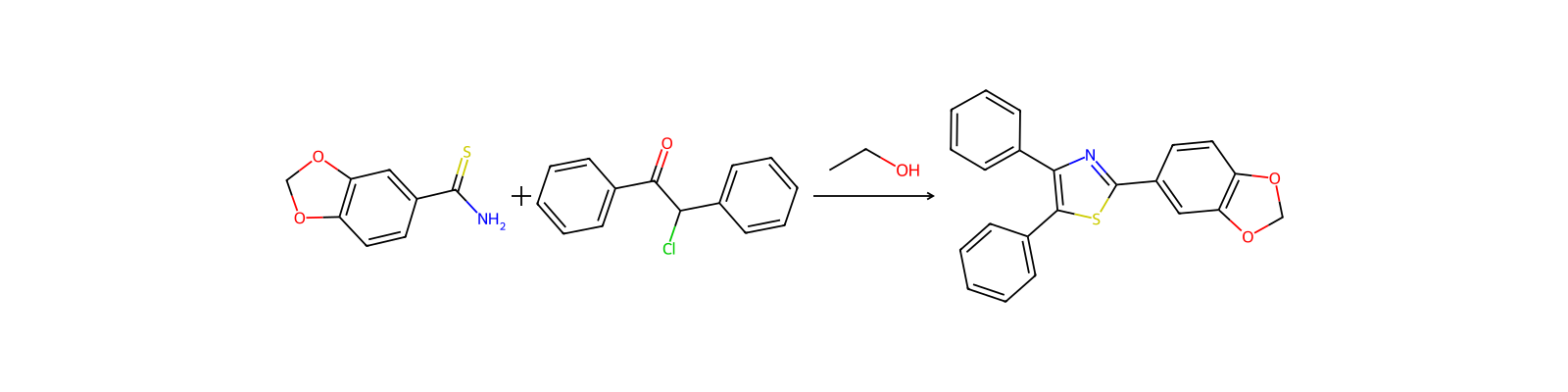
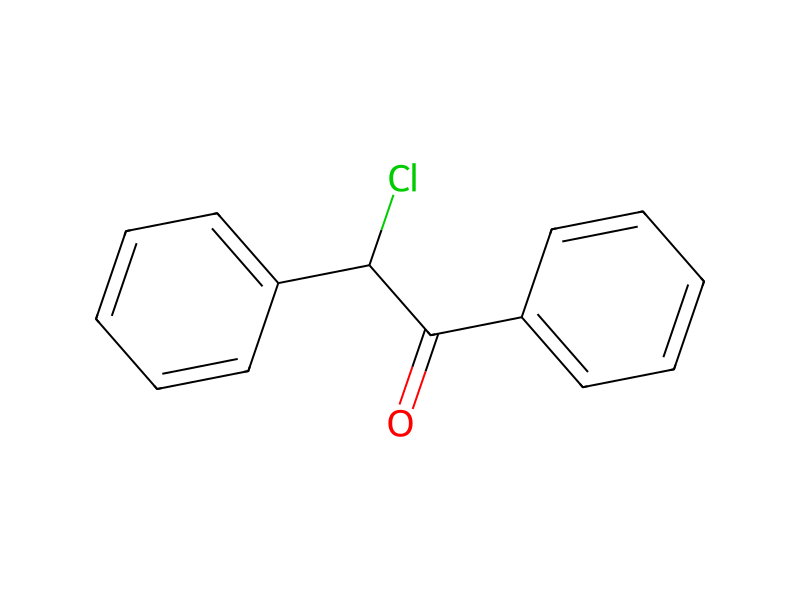
- Standard SMILES
O=C(c1ccccc1)C(Cl)c1ccccc1- InChIKey
RXDYOLRABMJTEF-UHFFFAOYSA-N- Molecular formula
- C14H11ClO
- Average molar mass
- 230.69 g/mol
- Monoisotopic mass
- 230.0498427
Names & identifiers
- Preferred name
- Ethanone, 2-chloro-1,2-diphenyl-
- IUPAC
- 2-chloro-1,2-diphenylethanone
- English name
- DESYL CHLORIDE
- Molecular formula
- C14H11ClO
- Molecular weight
- 230.69
Names & synonyms
Desyl chloride2-Chloro-2-phenylacetophenone1,2-Diphenyl-2-chloroethanonealpha-Chlorobenzyl phenyl ketoneAcetophenone, 2-chloro-2-phenyl-NSC 2883Ethanone, 2-chloro-1,2-diphenyl-2-Chloro-1,2-diphenylethoneEINECS 207-181-7alpha-Chloro-alpha-phenyl acetophenoneBRN 0744474Acetophenone, alpha-chloro-alpha-phenyl-
Show more names
Desylchloride,98%AKOS BBS-00004804AVO Desyl ChlorideALPHA-CHLORODEOXYBENZOINALPHA-CHLORODESOXYBENZOIN2-chloro-1,2-diphenyl-ethonω-chloro-ω-phenylacetophenoneà-chloro-à-phenylacetophenone
AI3-22036Ethone, 2-chloro-1,2-diphenyl-3-07-00-02106 (Beilstein Handbook Reference)RefChem:592567Acetophenone, 2-chloro-2-phenyl-(8CI)Ethone, 2-chloro-1,2-diphenyl-(9CI)447-31-42-Chloro-1,2-diphenylethanone
Database identifiers
- CAS
447-31-4- PubChem CID
- 95343
- DTXSID
DTXSID50870538- EC Number
- 207-181-7
- Nikkaji
- J11.380H
Properties
Computed structural properties
- XLogP
- 3.4
- Topological polar surface area
- 17.1 Ų
- Hydrogen bond donors
- 0
- Hydrogen bond acceptors
- 1
- Rotatable bonds
- 3
- Heavy atoms
- 16
- Formal charge
- 0
- Complexity
- 227
Physicochemical properties
- Melting point
- 62 · 62-63 °C(lit.)
- Boiling point
- 330 °C · 330°C (rough estimate)
- Density
- 1.1223 · 1.1223 (rough estimate)
- refractive index
- 1.526 · 1.5260 (estimate)
- storage temp.
- 30 °C · Store below +30°C.
- form
- powder to crystal
- color
- White to Almost white
- Sensitive
- Moisture Sensitive
- BRN
- 744474 · 744474
- InChI
- InChI=1S/C14H11ClO/c15-13(11-7-3-1-4-8-11)14(16)12-9-5-2-6-10-12/h1-10,13H
- InChIKey
- RXDYOLRABMJTEF-UHFFFAOYSA-N
- SMILES
- C(=O)(C1=CC=CC=C1)C(Cl)C1=CC=CC=C1
- CAS DataBase Reference
- 447 · 447-31-4(CAS DataBase Reference)
- EPA Substance Registry System
- Desyl chloride (447-31-4)
- UNSPSC Code
- 12352115 · 12352115
- Symbol(GHS)
- 5 · GHS05,GHS07
- Signal word
- Danger
- Hazard statements
- 314 · H314-H335
- Precautionary statements
- 260 · P260-P271-P280-P301+P330+P331-P303+P361+P353-P305+P351+P338
- target organs
- Respiratory system
- Hazard Codes
- C
- Risk Statements
- 34 · 34-37
- Safety Statements
- 26 · 26-36/37/39-45
- RIDADR
- 3261 · UN 3261 8/PG 2
- WGK Germany
- 3 · 3
- RTECS
- 6825000 · AM6825000
- TSCA
- TSCA listed
- HS Code
- 2914 · 2914 79 00
- HazardClass
- 8 · 8
- PackingGroup
- III
- Storage Class
- 8 A · 8A - Combustible, corrosive hazardous materials
- Hazard Classifications
- 1 Skin · Eye Dam. 1Skin Corr. 1BSTOT SE 3
- Limited Quantities
- 1 Kg · 1 Kg (2.2 lbs) (solid)
- Excepted Quantities
- Max Inner Pack (30g or 30ml) and Max Outer Pack (500g or 500ml)
Safety & regulation
GHS classification
GHS Classification
Danger
H314 (100%): Causes severe skin burns and eye damage [Danger Skin corrosion/irritation];H318 (90.9%): Causes serious eye damage [Danger Serious eye damage/eye irritation]
P260, P264, P264+P265, P280, P301+P330+P331, P302+P361+P354, P304+P340, P305+P354+P338, P316, P317, P321, P363, P405, and P501 (click each P-code to see the statement)
Aggregated GHS information provided per 44 reports by companies from 4 notifications to the ECHA C&L Inventory. Each notification may be associated with multiple companies.;Information may vary between notifications depending on impurities, additives, and other factors. The percentage value in parenthesis indicates the notified classification ratio from companies that provide hazard codes. Only hazard codes with percentage values above 10% are shown. For more detailed information, please visit ECHA C&L website.
Hazard information
Hazard Classes and CategoriesSkin Corr. 1B (100%);Eye Dam. 1 (90.9%)
Safety data
- wgk
- 3
- tsca
- TSCA listed
- rtecs
- AM6825000
- ridadr
- UN 3261 8/PG 2
- hs_code
- 2914 79 00
- risk_code
- 34-37
- Signal word
- Danger
- Symbol(GHS)
- GHS05,GHS07
- hazard_code
- C
- safety_code
- 26-36/37/39-45
- hazard_class
- 8
- Storage Class
- 8A - Combustible, corrosive hazardous materials
- packing_group
- III
- target organs
- Respiratory system
- Hazard statements
- H314-H335
- Limited Quantities
- 1 Kg (2.2 lbs) (solid)
- Excepted Quantities
- Max Inner Pack (30g or 30ml) and Max Outer Pack (500g or 500ml)
- Hazard Classifications
- Eye Dam. 1Skin Corr. 1BSTOT SE 3
- Precautionary statements
- P260-P271-P280-P301+P330+P331-P303+P361+P353-P305+P351+P338
Chemistry & industry
Uses & manufacturing
General Manufacturing InformationEthanone, 2-chloro-1,2-diphenyl-: ACTIVE
Upstream & downstream products
Upstream raw materials
Downstream products
Suppliers50 total
梯希爱(上海)化成工业发展有限公司021-67121386 · [email protected]
湖北永阔科技有限公司027-59223108 15972152991 · [email protected]
上海阿拉丁生化科技股份有限公司400-6206333 13167063860 · [email protected]
Hebei Chuanghai Biotechnology Co., Ltd+86-17732866630 · [email protected]
上海麦克林生化科技股份有限公司021-50706066 15221275939 · [email protected]
Dayang Chem (Hangzhou) Co.,Ltd.+86-0571-88938639 17705817739 · [email protected]
Aladdin Scientific[email protected]
湖北荆利新材料有限公司19072511635 15926669505 · [email protected]
上海迈瑞尔生化科技有限公司4006356688 18621169109 · [email protected]
阿法埃莎(中国)化学有限公司400-6106006 · [email protected]
上海柯维化学技术有限公司021-64609169 18901607656 · [email protected]
湖北广奥生物科技有限公司027-02702759223056 18162699093 · [email protected]
NANJING YINGWEN BIOTECHNOLOGY CO LTD+86-13382787392 · [email protected]
山东西亚化学有限公司13355009207 13355009207 · [email protected]
天津希恩思生化科技有限公司400 638 7771 · [email protected]
TCI AMERICA800-4238616 · [email protected]
TOKYO CHEMICAL INDUSTRY CO., LTD.03-36680489 · [email protected]
TCI Europe320-37350700 · [email protected]
陕西麟邦实业有限公司17709134430 · [email protected]
Yangzhou Model Electronic Materials Co., Ltd.+8613761402923 · [email protected]
上海湄水化工科技有限公司021-60549325 18616193163
北京奥秘佳得医药科技有限公司+86-13522808617 · [email protected]
上海鑫圭生物科技有限公司15121041756 · [email protected]
Sigma-Aldrich西格玛奥德里奇(上海)贸易有限公司021-61415566 800-8193336 · [email protected]
深圳振强药物研发有限公司+86-0755-66853366 +86-13670046396 · [email protected]
九鼎化学(上海)科技有限公司4009209199 · [email protected]
厦门志信化学有限公司+86-5922680277 +86-13806087780 · [email protected]
成都安普生医药科技有限公司13568817957 · [email protected]
广州市金华大化学试剂有限公司020-84383047 · [email protected]
山东小野化学股份有限公司0539-6362799 20)
Shanghai Acmec Biochemical Technology Co., Ltd.+86-18621343501 · [email protected]
杭州洁汉化工有限公司+86-571-86217390; +8618058761490 · [email protected]
厦门盈融达化工有限公司+86-0592-6210733 · [email protected]
天津希恩思生化科技有限公司400-6387771-6039 18920764717 · [email protected]
career henan chemical co+86-0371-86658258 · [email protected]
艾览(上海)化工科技有限公司400-668-9898 · [email protected]
上海吉至生化科技有限公司021-4009004166/18616739031 18616739031 · [email protected]
深圳聚合生化科技有限公司+86-400-002-6226 · [email protected]
TCI Chemicals (India) Pvt. Ltd.[email protected]
广州市桐晖药业有限公司020-66392521-118 18922260391 · [email protected]
湖南秉航新材料有限公司0731-85567275 19313119732 · [email protected]
陕西缔都医药化工有限公司029-029-029-81148696 18161915376 · [email protected]
XIAMEN AMITY INDUSTRY AND TRADE CO., LTD.+8618950047208 · [email protected]
杭州陶瑞生物科技有限公司QQ1259737804 15268198094 · [email protected]
湖北拓邦化工有限公司027-59106185 13986192185 · [email protected]
SHANGHAI KEAN TECHNOLOGY CO., LTD.+8613817748580 · [email protected]
陕西缔都医药化工有限公司+86-29-81139210 17389186172 · [email protected]
Nextpeptide Inc+86-0571-81612335 +8613336028439 · [email protected]
Hebei Fengmu Trading Co., Ltd.+86-15632192160 · [email protected]
北京偶合科技有限公司13552068683 13522913783 · [email protected]
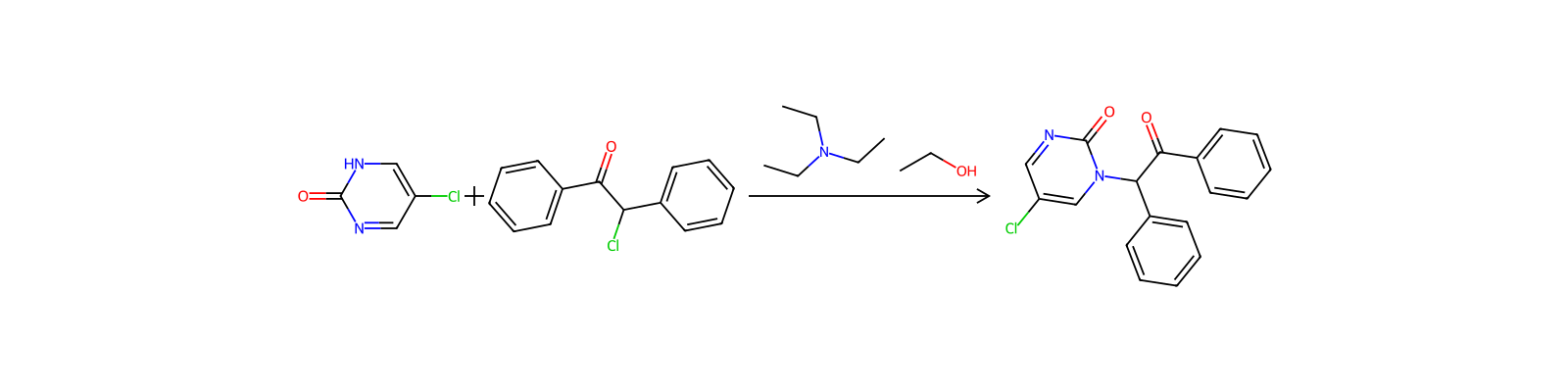
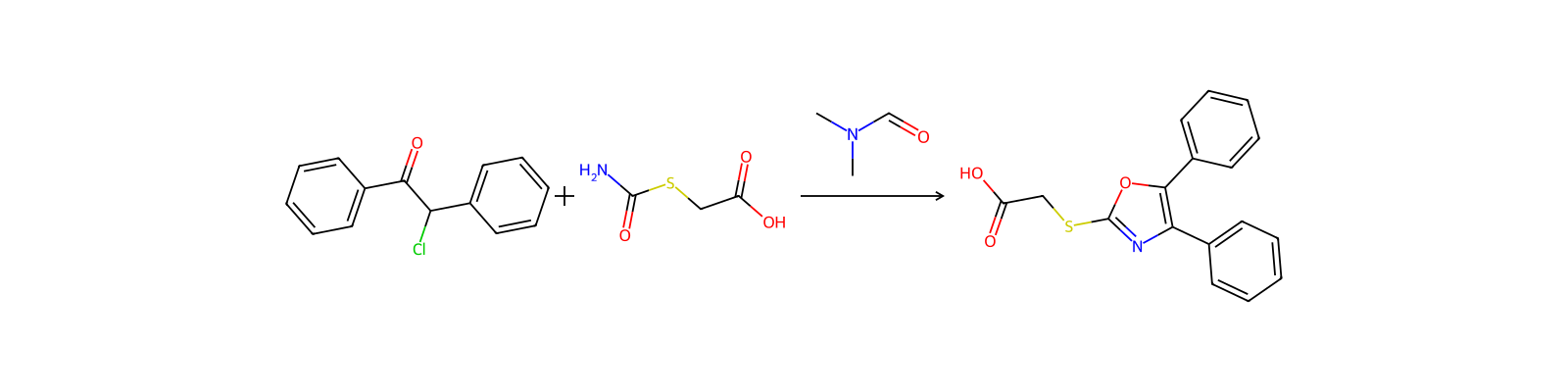
Related reactions
7 records
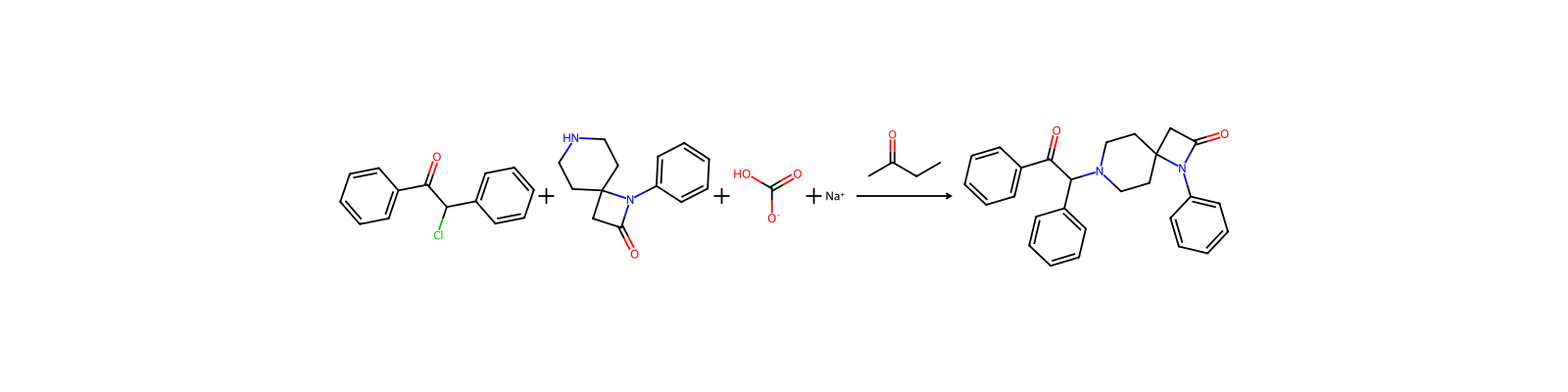
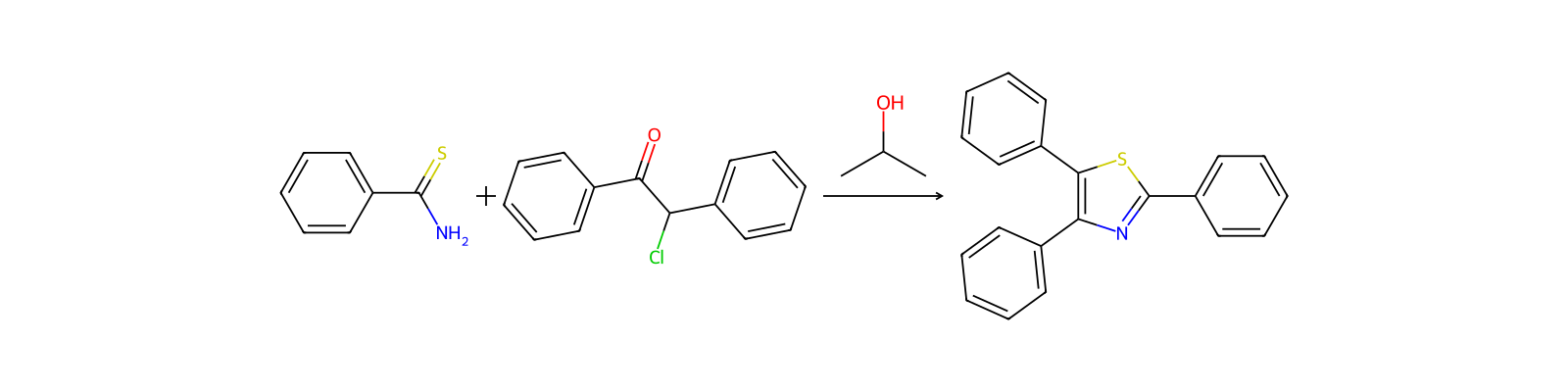
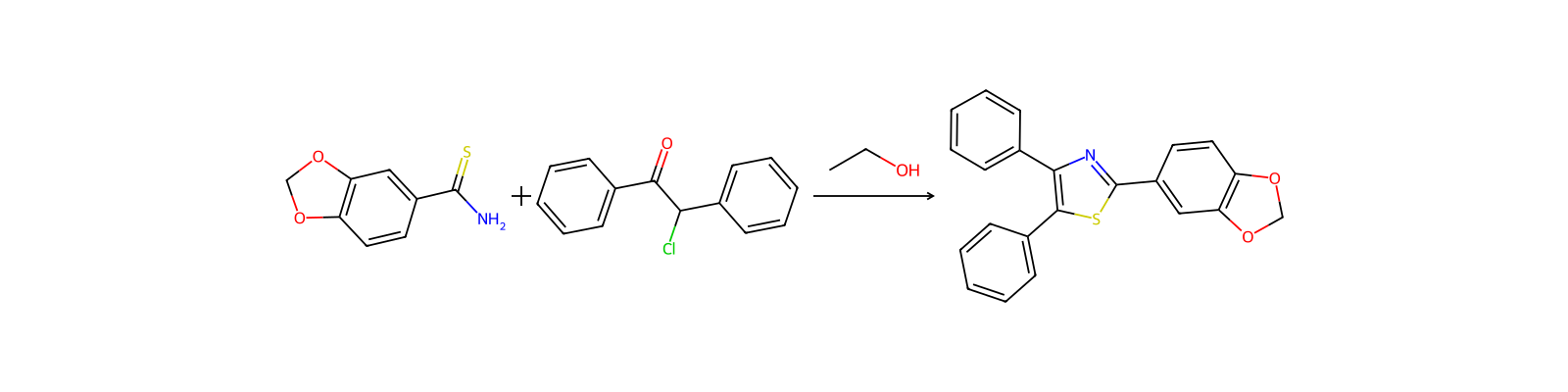
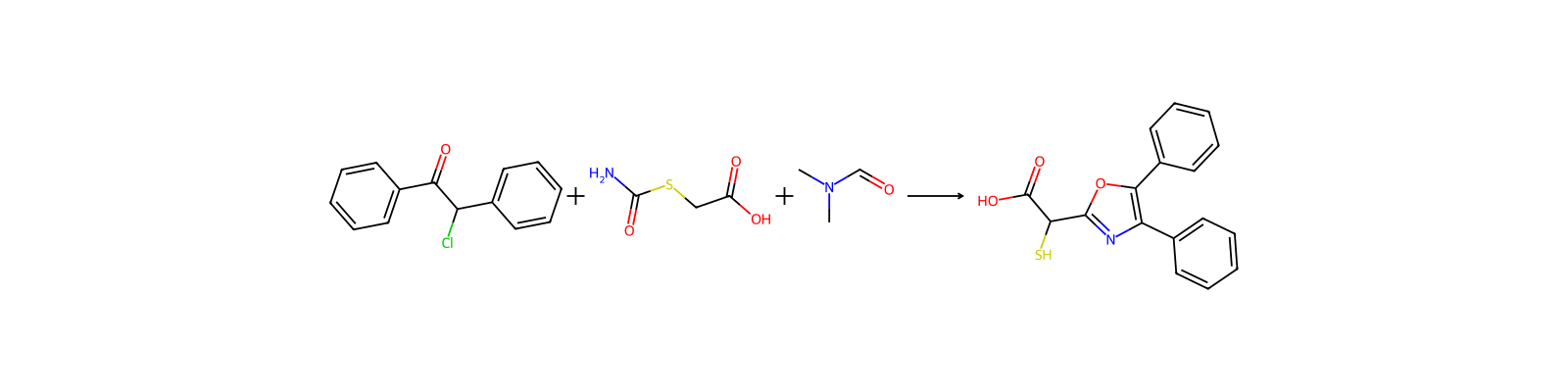
Linked notes
Loading…