

Basic information
- CAS
367-12-4- Standard SMILES
Oc1ccccc1F- InChIKey
HFHFGHLXUCOHLN-UHFFFAOYSA-N- Molecular formula
- C6H5FO
- Average molar mass
- 112.1 g/mol
- Monoisotopic mass
- 112.032443
Overview
2-fluorophenol appears as liquid or crystalline solid melting at 14-16 °C. Corrosive. Density 1.246 g / cm3.
Names & identifiers
- Preferred name
- 2-Fluorophenol
- IUPAC
- 2-fluorophenol
- English name
- 2-Fluorophenol
- Molecular formula
- C6H5FO
- Molecular weight
- 112.1
Names & synonyms
2-FLUOROPHENOL367-12-4o-FluorophenolPhenol, 2-fluoro-1-Fluoro-2-hydroxybenzenePhenol, o-fluoro-DTXSID0047745I9OW1NLY9RNSC-10294DTXCID0027729RefChem:472648206-681-2
Show more names
1-Bromo-3-fluorobezeneuorophenoL2-Florophenol2-Flurophenolo-fluoro-pheno2-fluoro-pheno2-Fluorophenole2-Fluorophenol f
Fluorophenol2-fluoro-phenolMFCD000021552-fluorohydroxybenzenePhenol, fluoro-CCRIS 1226EINECS 206-681-2UNII-I9OW1NLY9R
Database identifiers
- CAS
367-12-4- PubChem CID
- 9707
- DTXSID
DTXSID0047745- ChEMBL
CHEMBL224144- UNII
- I9OW1NLY9R
- EC Number
- 206-681-2
- Nikkaji
- J110.443H
Properties
Computed structural properties
- XLogP
- 1.7
- Topological polar surface area
- 20.2 Ų
- Hydrogen bond donors
- 1
- Hydrogen bond acceptors
- 2
- Rotatable bonds
- 0
- Heavy atoms
- 8
- Formal charge
- 0
- Complexity
- 74.9
Experimental & physicochemical properties
Chemical ClassesOther Classes -> Phenols
SpringerMaterials Properties13C nuclear magnetic resonance spectrum
LogP1.71
Boiling Point304 to 306 °F at 760 mmHg (NTP, 1992)
Melting Point61 °F (NTP, 1992)
Vapor Pressure1.19 [mmHg]
Physical Description
2-fluorophenol appears as liquid or crystalline solid melting at 14-16 °C. Corrosive. Density 1.246 g / cm3.
Liquid or solid; mp = 14-16 deg C; [CAMEO] Colorless liquid; [MSDSonline]
Physicochemical properties
- Melting point
- 16.1 °C · 16.1 °C (lit.)
- Boiling point
- 171 · 171-172 °C/741 mmHg (lit.)
- Density
- 1.256 g/mL · 1.256 g/mL at 25 °C (lit.)
- refractive index
- 20 · n20/D 1.511(lit.)
- Flash point
- 116 °F · 116 °F
- storage temp.
- Inert atmosphere,Room Temperature
- solubility
- 37.7 g/l · 37.7g/l
- form
- Liquid
- pka
- 8.73 · 8.73(at 25℃)
- Specific Gravity
- 1.256 · 1.256
- color
- Clear colorless to light yellow-brownish
- Water Solubility
- 80.72 g/L · 80.72g/L(25 ºC)
- BRN
- 1905112 · 1905112
- Henry's Law Constant
- 3.1 · 3.1×100 mol/(m3Pa) at 25℃, Abraham et al. (1994)
- Stability
- Stable. Flammable. Incompatible with strong oxidizing agents.
- InChI
- 1S/C6H5FO/c7-5-3-1-2-4-6(5)8/h1-4,8H
- InChIKey
- HFHFGHLXUCOHLN-UHFFFAOYSA-N
- SMILES
- Oc1ccccc1F
- CAS DataBase Reference
- 367 · 367-12-4(CAS DataBase Reference)
- EWG's Food Scores
- 1 · 1
- FDA UNII
- 9 OW1NLY9R · I9OW1NLY9R
- NIST Chemistry Reference
- 2 · Phenol, 2-fluoro-(367-12-4)
- EPA Substance Registry System
- o-Fluorophenol (367-12-4)
- UNSPSC Code
- 12352100 · 12352100
- NACRES
- 22 · NA.22
- Symbol(GHS)
- 2 · GHS02,GHS07
- Signal word
- Warning
- Hazard statements
- 226 · H226-H315-H319
- Precautionary statements
- 210 · P210-P233-P240-P241-P303+P361+P353-P305+P351+P338
- PPE
- Eyeshields, Faceshields, Gloves, type ABEK (EN14387) respirator filter
- Hazard Codes
- Xn,F,C,Xi,T
- Risk Statements
- 20 · 20/21/22-36/37/38-10-63-43-23/24/25-45-40
- Safety Statements
- 28 · 28-36/37-36/37/39-26-16-24/25-23-53-36
- RIDADR
- 1993 · UN 1993 3/PG 3
- WGK Germany
- 3 · 3
- RTECS
- 4530000 · SL4530000
- Hazard Note
- Flammable/Corrosive
- TSCA
- TSCA listed
- HazardClass
- 3 · 3
- PackingGroup
- III
- HS Code
- 29081000 · 29081000
- Storage Class
- 3 · 3 - Flammable liquids
- Hazard Classifications
- 4 DermalAcute · Acute Tox. 4 DermalAcute Tox. 4 InhalationAcute Tox. 4 OralAquatic Chronic 3Eye Irrit. 2Flam. Liq. 3Skin Irrit. 2
- Limited Quantities
- 5 L · 5.0 L (1.3 gallons) (liquid)
- Excepted Quantities
- Max Inner Pack (30g or 30ml) and Max Outer Pack (1Kg or 1L)
Safety & regulation
GHS classification
GHS Classification
This chemical does not meet GHS hazard criteria for 3.3% (1 of 30) of reports.
Danger
H226 (96.7%): Flammable liquid and vapor [Warning Flammable liquids]
P210, P233, P240, P241, P242, P243, P260, P261, P264, P264+P265, P270, P271, P280, P301+P317, P301+P330+P331, P302+P352, P302+P361+P354, P303+P361+P353, P304+P340, P305+P351+P338, P305+P354+P338, P316, P317, P319, P321, P330, P332+P317, P337+P317, P362+P364, P363, P370+P378, P403+P233, P403+P235, P405, and P501 (click each P-code to see the statement)
Aggregated GHS information provided per 30 reports by companies from 12 notifications to the ECHA C&L Inventory. Each notification may be associated with multiple companies.
Hazard information
Regulatory Information
Chemical: Phenol, 2-fluoro-
2-Fluorophenol: Does not have an individual approval but may be used under an appropriate group standard
DOT LabelCombustible Liquid
Fire HazardsExcerpt from ERG Guide 128 [Flammable Liquids (Water-Immiscible)]:
Health HazardsACUTE/CHRONIC HAZARDS: Toxic and irritant. (NTP, 1992)
Hazards SummaryAn irritant; [CAMEO] A skin and eye irritant; [eChemPortal: ERMA] An irritant; [MSDSonline]
Reactive GroupPhenols and Cresols
Reactivity AlertsHighly Flammable
Reactivity Profile
2-FLUOROPHENOL reacts as a weak organic acid. May be incompatible with strong reducing substances such as hydrides, nitrides, alkali metals, and sulfides. Flammable gas (H2) is often generated, and the heat of the reaction may ignite the gas. Heat is also generated by the acid-base reaction with bases. Such heating may initiate polymerization of the organic compound. Sulfonated very readily (for example, by concentrated sulfuric acid at room temperature). The reactions generate heat. Nitrated very rapidly, even by dilute nitric acid.
Air and Water ReactionsHighly flammable.
Hazard Classes and CategoriesFlam. Liq. 3 (96.7%)
Safety & protection
Fire Fighting
This compound is not very flammable but any fire involving this compound may produce dangerous vapors. You should evacuate the area. All firefighters should wear full-body protective clothing and use self-contained breathing apparatuses. You should extinguish any fires involving this chemical with a dry chemical, carbon dioxide, foam, or halon extinguisher. (NTP, 1992)
First Aid
EYES: First check the victim for contact lenses and remove if present. Flush victim's eyes with water or normal saline solution for 20 to 30 minutes while simultaneously calling a hospital or poison control center. Do not put any ointments, oils, or medication in the victim's eyes without specific instructions from a physician. IMMEDIATELY transport the victim after flushing eyes to a hospital even if no symptoms (such as redness or irritation) develop.
Nonfire Spill Response
SMALL SPILLS AND LEAKAGE: Should a spill occur while you are handling this chemical, you should dampen the solid spill material with alcohol, then transfer the dampened material to a suitable container. Use absorbent paper dampened with alcohol to pick up any remaining material. Seal the absorbent paper, and any of your clothes, which may be contaminated, in a vapor-tight plastic bag for eventual disposal. Solvent wash all contaminated surfaces with alcohol followed by washing with a strong soap and water solution. Do not reenter the contaminate area until the Safety Officer (or other responsible person) has verified that the area has been properly cleaned.
Isolation and EvacuationExcerpt from ERG Guide 128 [Flammable Liquids (Water-Immiscible)]:
Personal Protective Equipment (PPE)MINIMUM PROTECTIVE CLOTHING: If Tyvek-type disposable protective clothing is not worn during handling of this chemical, wear disposable Tyvek-type sleeves taped to your gloves.
Toxicology
EPA Provisional Peer-Reviewed Toxicity Values
2-Fluorophenol
PDF Document
2004
Safety data
- PPE
- Eyeshields, Faceshields, Gloves, type ABEK (EN14387) respirator filter
- wgk
- 3
- tsca
- TSCA listed
- rtecs
- SL4530000
- ridadr
- UN 1993 3/PG 3
- hs_code
- 29081000
- risk_code
- 20/21/22-36/37/38-10-63-43-23/24/25-45-40
- Signal word
- Warning
- Symbol(GHS)
- GHS02,GHS07
- hazard_code
- Xn,F,C,Xi,T
- hazard_note
- Flammable/Corrosive
- safety_code
- 28-36/37-36/37/39-26-16-24/25-23-53-36
- hazard_class
- 3
- Storage Class
- 3 - Flammable liquids
- packing_group
- III
- Hazard statements
- H226-H315-H319
- Limited Quantities
- 5.0 L (1.3 gallons) (liquid)
- Excepted Quantities
- Max Inner Pack (30g or 30ml) and Max Outer Pack (1Kg or 1L)
- Hazard Classifications
- Acute Tox. 4 DermalAcute Tox. 4 InhalationAcute Tox. 4 OralAquatic Chronic 3Eye Irrit. 2Flam. Liq. 3Skin Irrit. 2
- Precautionary statements
- P210-P233-P240-P241-P303+P361+P353-P305+P351+P338
Chemistry & industry
Uses & manufacturing
General Manufacturing InformationPhenol, 2-fluoro-: ACTIVE
Applications
Uses2-Fluorophenol is a competitive inhibitor in the oxidation of 3,4-dihydroxyphenylalanine (L-DOPA), a catecholamine precursor that is used as a therapeutic agent for patients with ParkinsonтАЩs disease. 2-Fluorophenol is also used as a sole carbon energy source for bacteria.
General DescriptionLiquid or crystalline solid melting at 14-16°C. Corrosive. Density 1.246 g / cm3.
Upstream & downstream products
Upstream raw materials
Downstream products
Suppliers100 total
国药集团化学试剂有限公司86-21-63210123 · [email protected]
北京华美互利生物化工010-56205725 · [email protected]
梯希爱(上海)化成工业发展有限公司021-67121386 · [email protected]
衢州润东化工有限公司0570-8789886 18892685668 · [email protected]
上海阿拉丁生化科技股份有限公司400-6206333 13167063860 · [email protected]
T&W GROUP021-61551611 13296011611 · [email protected]
爱斯特(成都)生物制药股份有限公司+86-28-85122536 85324413 · [email protected]
韶远科技(上海)有限公司021-50795510 4000665055 · [email protected]
科瑞迪化学400-821-5857 021-64326257 · [email protected]
Syntechem Co.,Ltd[email protected]
上海迈瑞尔生化科技有限公司4006356688 18621169109 · [email protected]
武汉易泰科技有限公司上海分公司18930552037 · [email protected]
阿法埃莎(中国)化学有限公司400-6106006 · [email protected]
上海德默医药科技有限公司400-021-7337 2355568890 · [email protected]
安耐吉化学&3A(安徽泽升科技股份有限公司)400-0056266 · [email protected]
石家庄斯迪亚诺精细化工有限公司0311-89250318 13582355795 · [email protected]
武汉凯威斯科技有限公司86-027-67849912 · [email protected]
上海瀚鸿科技股份有限公司021-54306202 13764082696 · [email protected]
上海景颜化工科技有限公司13817811078 · [email protected]
嘉兴市艾森化工有限公司0573-85285100 18627885956 · [email protected]
Pure Chemistry Scientific Inc.001-857-928-2050 or 1-888-588-9418 · [email protected]
济南高纯医药科技有限公司13287077755 13044030397
孝感深远化工有限公司15527621225; 15527621225 · [email protected]
苏州施亚生物科技有限公司86(512)5235 8471 17715136450 · [email protected]
山东西亚化学有限公司13355009207 13355009207 · [email protected]
玛雅试剂+86 (573) 82222445 (0)18006601000 452520369 · [email protected]
四川库利南科技有限公司400-1166-196 18981987031 · [email protected]
天津希恩思生化科技有限公司400 638 7771 · [email protected]
南京维奥化工有限公司Please Send Email 18652950785 · [email protected]
百盛HK进出口有限公司+86-18068513926
艾科试剂4008-755-333 18080918076 · [email protected]
上海思域化工科技有限公司86-21-34053660 · [email protected]
赛默飞世尔科技(中国)有限公司800-810-5118 · [email protected]
江苏艾康生物医药研发有限公司025-66113011 13913916777 · [email protected]
上海健超生物科技有限公司150-2103-5486 18017383231 · [email protected]
TCI AMERICA800-4238616 · [email protected]
TOKYO CHEMICAL INDUSTRY CO., LTD.03-36680489 · [email protected]
TCI Europe320-37350700 · [email protected]
上海贤鼎生物科技有限公司4009209199 · [email protected]
深圳康特腾科技有限公司86-0755-86635001 · [email protected]
越林试剂021-62960152 · [email protected]
无锡中坤生化科技有限公司+86 0510-85629785
上海倍卓生物科技有限公司021-61119791,13386096464 · [email protected]
上海湄水化工科技有限公司021-60549325 18616193163
上海将来实业股份有限公司400-0066400 13621662912 · [email protected]
上海将来实业股份有限公司021-61552785 · [email protected]
HBCChem, Inc.+1-510-219-6317 · [email protected]
日照力德士化工有限公司010-51268198 · [email protected]
郑州鸿晟医药科技有限公司0371-0371-13526885213 15637198702 · [email protected]
美岚实业(上海)有限公司021-58958189 · [email protected]
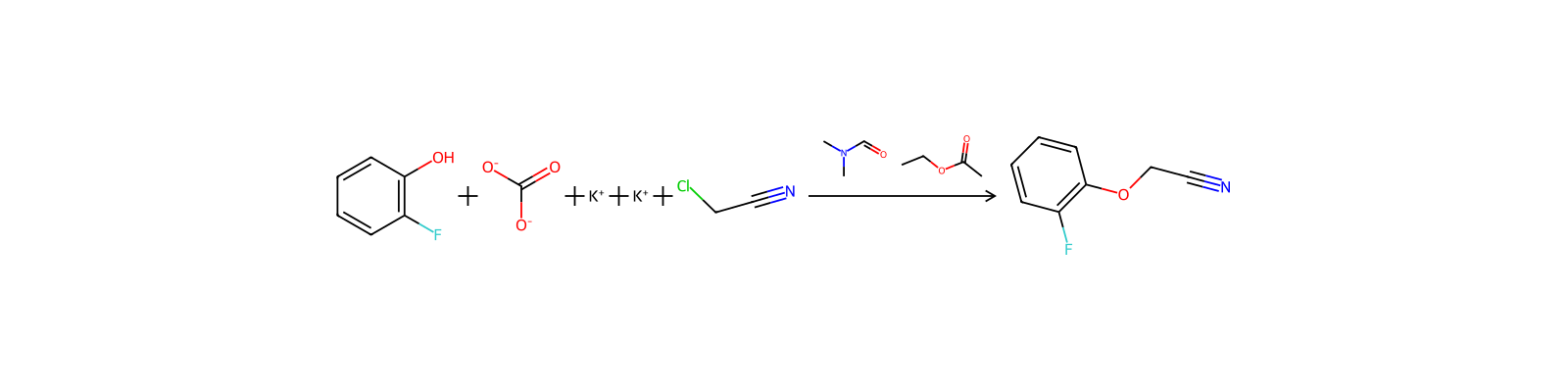
Related reactions
266 records




Compound notes
Loading…