1,4-Dithiane-2,5-diol
Completing data — refresh the page later to see the latest

Basic information
- CAS
40018-26-6- Standard SMILES
OC1CSC(O)CS1- InChIKey
YUIOPHXTILULQC-UHFFFAOYSA-N- Molecular formula
- C4H8O2S2
- Average molar mass
- 152.2 g/mol
- Monoisotopic mass
- 151.9965715
Overview
1,4-Dithiane-2,5-diol is a member of dithianes.
Names & identifiers
- Preferred name
- 1,4-Dithiane-2,5-diol
- IUPAC
- 1,4-dithiane-2,5-diol
- English name
- 2,5-Dihydroxy-1,4-dithiane
- Molecular formula
- C4H8O2S2
- Molecular weight
- 152.24
Names & synonyms
1,4-Dithiane-2,5-diol40018-26-62,5-Dihydroxy-1,4-dithianeR4F79F1JB0NSC-106280FEMA NO. 3826DTXSID90865983RefChem:444434DTXCID80814329254-751-6p-Dithiane-2,5-diolMercaptoacetaldehyde dimer
Show more names
DITHIANEDHDTFEMA 38261,4-dithane-2,5-diol1,4-Dithiane-2,5-dioMERCATOACETALDEHYDE DIMERNSC 1062804-dithiane
MFCD000066594-dithiane-2,5-diol[1,4]dithiane-2,5-diol2,5-Dihydroxy-1,4-dithianDithianUNII-R4F79F1JB0EINECS 254-751-6mercapto acetaldehyde
Database identifiers
- CAS
40018-26-6- PubChem CID
- 98330
- DTXSID
DTXSID90865983- ChEBI
CHEBI:179581- UNII
- R4F79F1JB0
- EC Number
- 254-751-6
- Nikkaji
- J68.173C
Properties
Computed structural propertiesFilling in
- XLogP
- 0.3
- Topological polar surface area
- 91.1 Ų
- Hydrogen bond donors
- 2
- Hydrogen bond acceptors
- 4
- Rotatable bonds
- 0
- Heavy atoms
- 8
- Formal charge
- 0
- Complexity
- 68.4
Experimental & physicochemical properties
Food AdditivesFLAVORING AGENT OR ADJUVANT -> FDA Substance added to food
Flavoring AgentsEU Flavoring substances
Solubility
slightly
slightly soluble in water; soluble in alcohol
(in ethanol)
Melting Point130.00 °C. @ 760.00 mm Hg
Physical Descriptionwhite to off-white powder
Physicochemical properties
- Melting point
- 130 °C · 130 °C (dec.) (lit.)
- Boiling point
- 244.73 °C · 244.73°C (rough estimate)
- Density
- 1.224 · 1.224 (estimate)
- vapor pressure
- 0 Pa · 0Pa at 25℃
- FLAVIS Number
- 15.134 · 15.134 | 2,5-Dihydroxy-1,4-Dithiane
- refractive index
Safety & regulation
Safety information is for reference only and does not replace the supplier’s Safety Data Sheet (SDS), applicable regulations, or professional assessment.
GHS classification
GHS Classification
Danger
H302 (95.2%): Harmful if swallowed [Warning Acute toxicity, oral]
P261, P264, P264+P265, P270, P272, P273, P280, P301+P317, P302+P352, P305+P354+P338, P317, P321, P330, P333+P317, P362+P364, and P501 (click each P-code to see the statement)
Aggregated GHS information provided per 1439 reports by companies from 10 notifications to the ECHA C&L Inventory. Each notification may be associated with multiple companies.
Hazard information
Regulatory Information
Chemical: 1,4-Dithiane-2,5-diol
Commission Regulation (EC) No 1565/2000 (Repealed by Com. Implementing Reg. (EU) No 872/2012)
Status: Active Update: 17-03-2022 https://echa.europa.eu/registration-dossier/-/registered-dossier/19050
2,5-Dihydroxy-1,4-dithiane: Does not have an individual approval but may be used under an appropriate group standard
Hazard Classes and CategoriesAcute Tox. 4 (95.2%)
Safety data
- F
- 1-8-10-13
- PPE
- dust mask type N95 (US), Eyeshields, Faceshields, Gloves
- wgk
- 2
- ridadr
- UN2811
- hs_code
- 29349990
- risk_code
- 22-41-43-52/53-36/37/38
- Signal word
- Danger
- Symbol(GHS)
- GHS06,GHS08,GHS09
- hazard_code
- Xn,Xi
- safety_code
- 26-36/37/39-61-37/39-24-36
Chemistry & industry
Pharmacology
Cellular LocationsCytoplasm
Uses & manufacturing
Use Classification
Flavouring Agent -> FLAVOURING_AGENT -> JECFA Functional Classes
Flavoring Agents -> JECFA Flavorings Index
Flavouring Agent -> FLAVOURING_AGENT -> JECFA Functional Classes
Flavouring Agent -> FLAVOURING_AGENT -> JECFA Functional Classes
Applications
Uses1,4-Dithiane-2,5-diol is a hydroxylated dithiane derivative with phytogrowth-inhibitory and antibacterial activities.
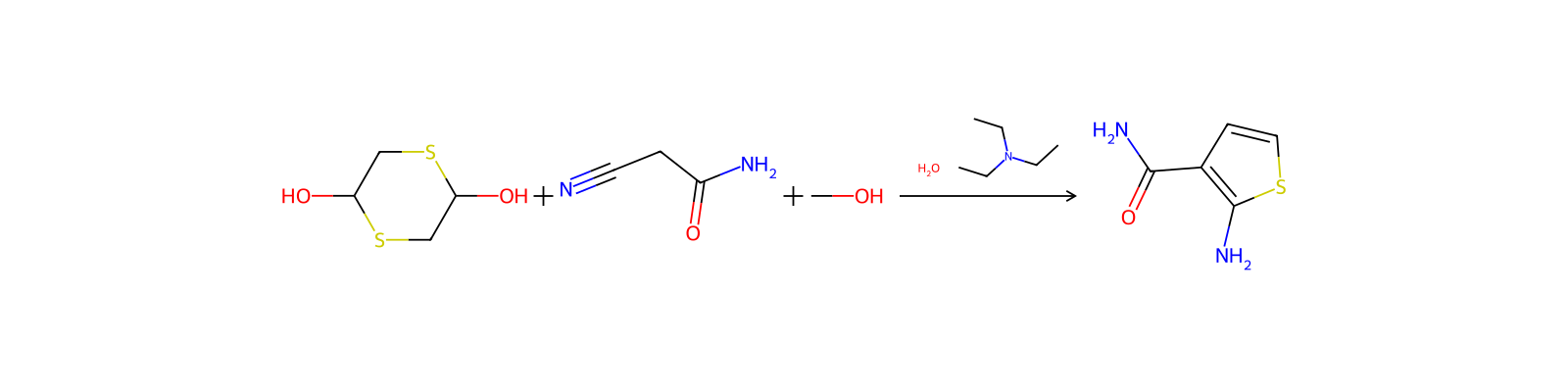
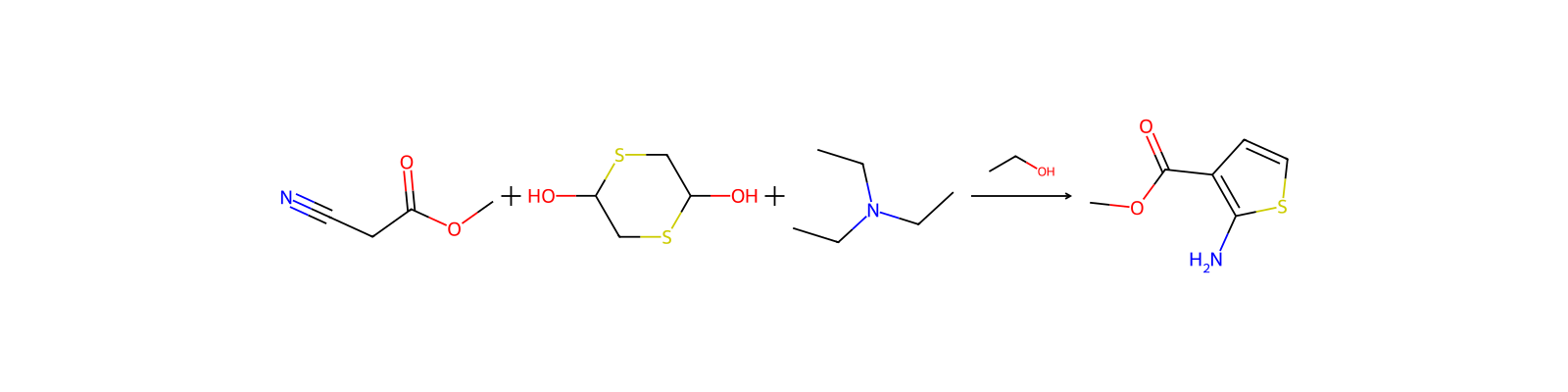
Uses1,4-Dithiane-2,5-diol was used in the synthesis of:substituted tetrahydrothiophene derivatives2-amino-3-(arylsulfonyl)thiophenes, potential antiviral and antitumor agents
General Description1,4-Dithiane-2,5-diol undergoes bifunctional squaramide catalyzed sulfa-Michael/aldol cascade reaction with chalcones to afford trisubstituted tetrahydrothiophenes. It participates in diastereoselective [3+3] cycloaddition with azomethine imines catalyzed by 1,4-diazabicyclo[2.2.2]octane. It is a mercaptoacetaldehyde dimer and an efficient synthon for incorporating a thiol group to in situ generated nitroalkenes.
Upstream & downstream products
Downstream products
Related reactions
38 records



Compound notes
Loading…