
Basic information
- Standard SMILES
O=C1c2c(O)cc(O)cc2OCC1c1ccc(O)cc1- InChIKey
UQGVUYNHDKMLSE-UHFFFAOYSA-N- Molecular formula
- C15H12O5
- Average molar mass
- 272.25 g/mol
- Monoisotopic mass
- 272.06847348
Overview
Dihydrogenistein is a hydroxyisoflavanone comprising isoflavanone carrying three hydroxy substituents at positions 5, 7 and 4'. It has a role as a bacterial metabolite.
Names & identifiers
- Preferred name
- Dihydrogenistein
- IUPAC
- 5,7-dihydroxy-3-(4-hydroxyphenyl)-2,3-dihydrochromen-4-one
- English name
- 4H-1-Benzopyran-4-one, 2,3-dihydro-5,7-dihydroxy-3-(4-hydroxyphenyl)-
- Molecular formula
- C15H12O5
- Molecular weight
- 272.25
Names & synonyms
Dihydrogenistein21554-71-24',5,7-Trihydroxyisoflavan-4-one4H-1-Benzopyran-4-one, 2,3-dihydro-5,7-dihydroxy-3-(4-hydroxyphenyl)-5,7-dihydroxy-3-(4-hydroxyphenyl)-2,3-dihydrochromen-4-one5G1514R22RCHEBI:34707DTXSID809041535,7-Dihydroxy-3-(4-hydroxyphenyl)-2,3-dihydro-4H-chromen-4-one5,7-dihydroxy-3-(4-hydroxyphenyl)-3,4-dihydro-2H-1-benzopyran-4-oneRefChem:587753DTXCID101332037
Show more names
2,3-Dihydro-5,7-dihydroxy-3-(4-hydroxyphenyl)-4H-1-benzopyran-4-one
112-295-45,7-Dihydroxy-3-(4-hydroxyphenyl)chroman-4-one5,7,4'-trihydroxyisoflavanone4',5,7-trihydroxyisoflavanone2'-DehydroxydalbergioidinOprea1_192406SCHEMBL678189CHEMBL209856
Database identifiers
- CAS
21554-71-2- PubChem CID
- 9838356
- DTXSID
DTXSID80904153- ChEMBL
CHEMBL209856- ChEBI
CHEBI:34707- UNII
- 5G1514R22R
- EC Number
- 112-295-4
- Nikkaji
- J710.918K
Properties
Computed structural properties
- XLogP
- 2.6
- Topological polar surface area
- 87 Ų
- Hydrogen bond donors
- 3
- Hydrogen bond acceptors
- 5
- Rotatable bonds
- 1
- Heavy atoms
- 20
- Formal charge
- 0
- Complexity
- 363
Experimental & physicochemical properties
Endocrine DisruptorsPotential endocrine disrupting compound
Physical DescriptionSolid
Physicochemical properties
- Boiling point
- 577.9 · 577.9±50.0 °C(Predicted)
- Density
- 1.485 · 1.485±0.06 g/cm3(Predicted)
- storage temp.
- 2 · 2-8°C
- solubility
- Ethyl Acetate (Slightly), Methanol (Slightly)
- pka
- 7.52 · 7.52±0.40(Predicted)
- form
- Solid
- color
- Off-White to Pale Beige
- biological source
- synthetic
- Stability
- Hygroscopic, Light sensitive
- InChI
- 1S/C15H12O5/c16-9-3-1-8(2-4-9)11-7-20-13-6-10(17)5-12(18)14(13)15(11)19/h1-6,11,16-18H,7H2
- InChIKey
- UQGVUYNHDKMLSE-UHFFFAOYSA-N
- SMILES
- O1CC(C(=O)c3c1cc(cc3O)O)c2ccc(cc2)O
- FDA UNII
- 5 G1514R22R · 5G1514R22R
- UNSPSC Code
- 12352200 · 12352200
- NACRES
- 25 · NA.25
- Symbol(GHS)
- 7 · GHS07
- Signal word
- Warning
- Hazard statements
- 315 · H315-H319
- Precautionary statements
- 264 · P264-P280-P302+P352-P305+P351+P338-P332+P313-P337+P313
- WGK Germany
- 3 · WGK 3
- Storage Class
- 11 · 11 - Combustible Solids
- Hazard Classifications
- 2 Skin · Eye Irrit. 2Skin Irrit. 2
Safety & regulation
GHS classification
GHS Classification
Warning
H315 (100%): Causes skin irritation [Warning Skin corrosion/irritation]
P264, P264+P265, P280, P302+P352, P305+P351+P338, P321, P332+P317, P337+P317, and P362+P364 (click each P-code to see the statement)
The GHS information provided by 1 company from 1 notification to the ECHA C&L Inventory.
Hazard information
Hazard Classes and CategoriesSkin Irrit. 2 (100%)
Safety data
- wgk
- WGK 3
- Signal word
- Warning
- Symbol(GHS)
- GHS07
- Storage Class
- 11 - Combustible Solids
- Hazard statements
- H315-H319
- Hazard Classifications
- Eye Irrit. 2Skin Irrit. 2
- Precautionary statements
- P264-P280-P302+P352-P305+P351+P338-P332+P313-P337+P313
Chemistry & industry
Pharmacology
Metabolism/MetabolitesDihydrogenistein has known human metabolites that include 2-(4-Hydroxyphenyl)-1-(2,4,6-trihydroxyphenyl)prop-2-en-1-one.
Cellular LocationsMembrane
Applications
UsesDihydrogenistein is a derivative of Genistein (G350000), a compound that exhibits specific inhibitory activity against tyrosine kinases,including autophosphorylation of epidermal growth factor receptor kinase.
Suppliers15 total
上海麦克林生化科技股份有限公司021-50706066 15221275939 · [email protected]
江苏艾康生物医药研发有限公司025-58851090 19370895928 · [email protected]
安耐吉化学&3A(安徽泽升科技有限公司)021-58432009 400-005-6266 · [email protected]
上海萄普生物医药技术有限公司15900573766 18018507602 · [email protected]
艾吉析科技(上海)有限公司17721401538;17717235263 17721401538 · [email protected]
上海阿拉丁生化科技股份有限公司6206333 13167063860 · [email protected]
北京华威锐科化工科技有限公司89508211 18501085097 · [email protected]
上海源叶生物科技有限公司13636370518 · [email protected]
上海陶术生物科技股份有限公司13564774135 · [email protected]
成都标样生物科技有限公司028-81700200 13308200041 · [email protected]
深圳聚合生化科技有限公司+86-400-002-6226 · [email protected]
Aladdin Scientific[email protected]
TargetMol中国(陶术生物)4008200310 15002144251 · [email protected]
北京百灵威科技有限公司18210857532 18210857532 · [email protected]
郑州安慕斯化工产品有限公司15981811963 18737195735 · [email protected]
Additional notes
DefinitionChEBI: A hydroxyisoflavanone comprising isoflavanone carrying three hydroxy substituents at positions 5, 7 and 4'.
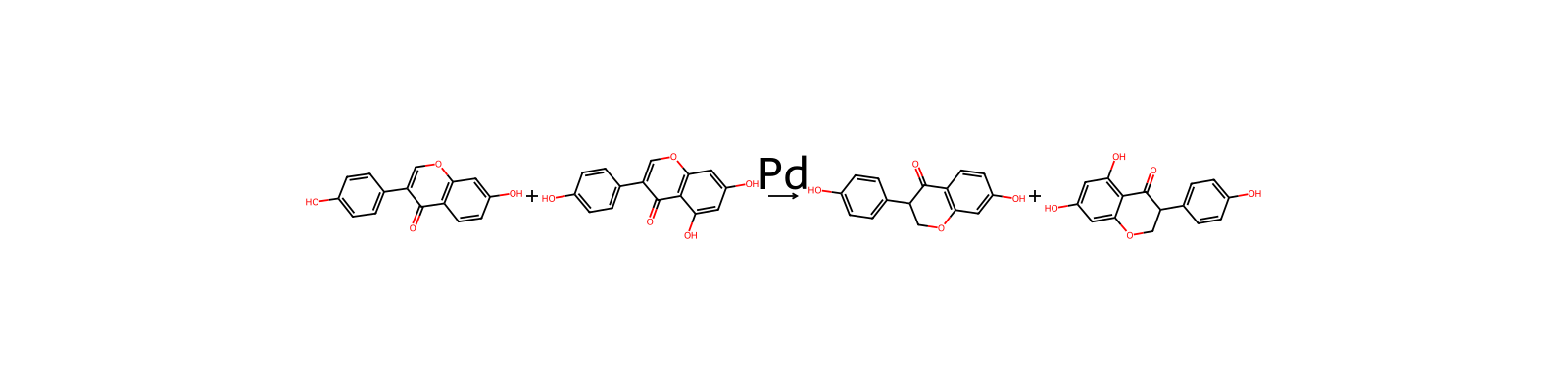
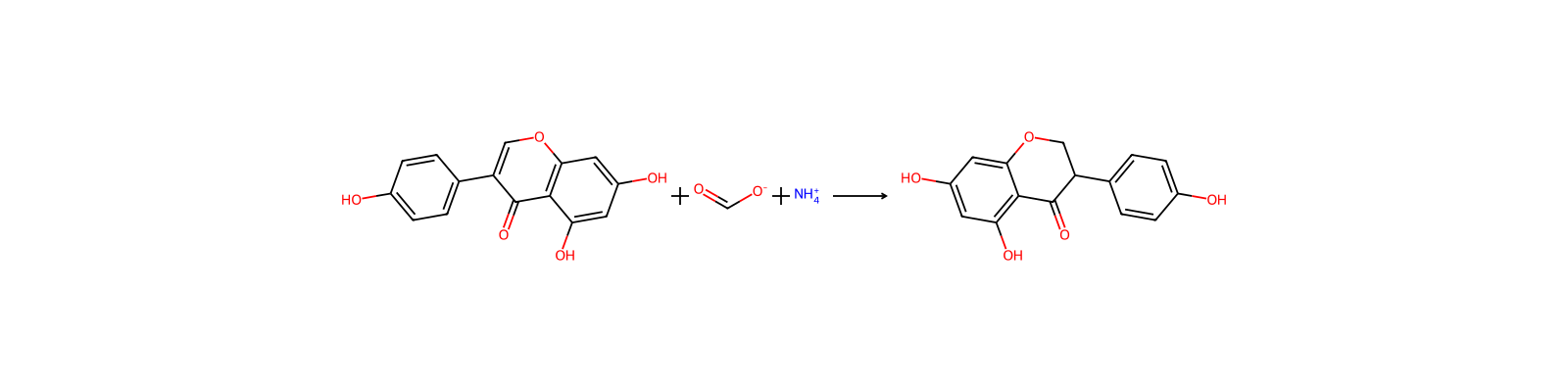
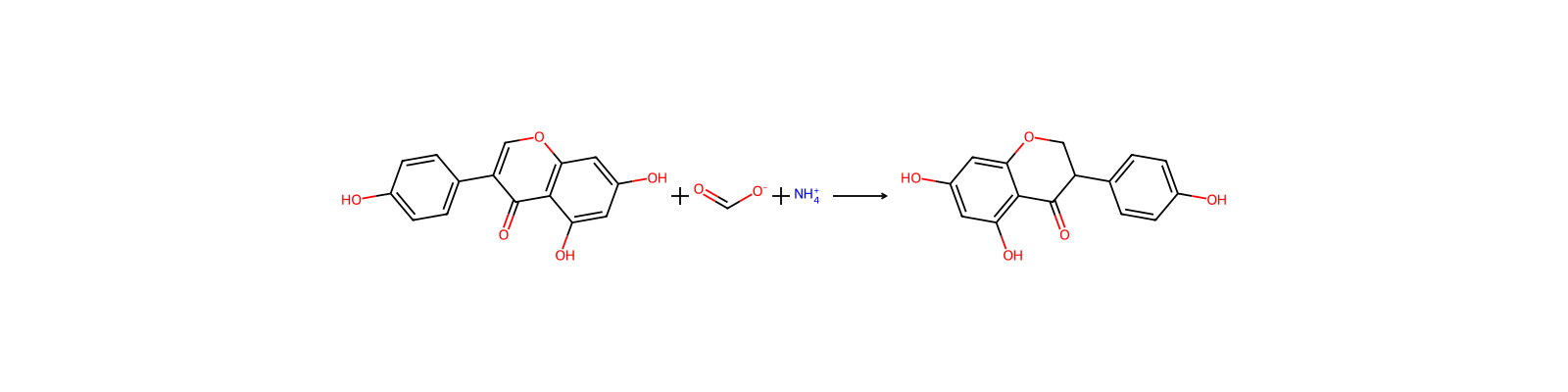
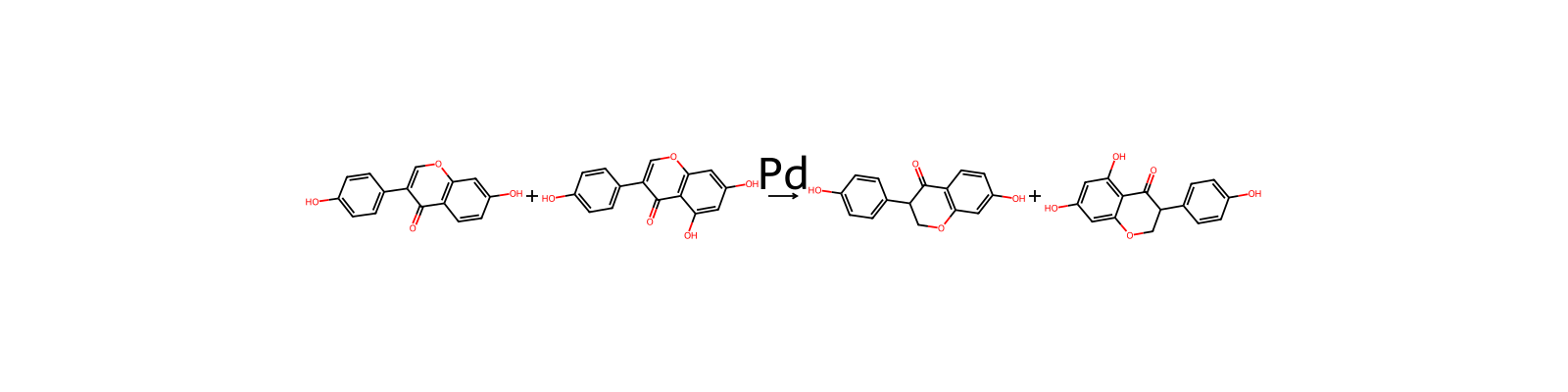
Related reactions
6 records


Linked notes
Loading…