
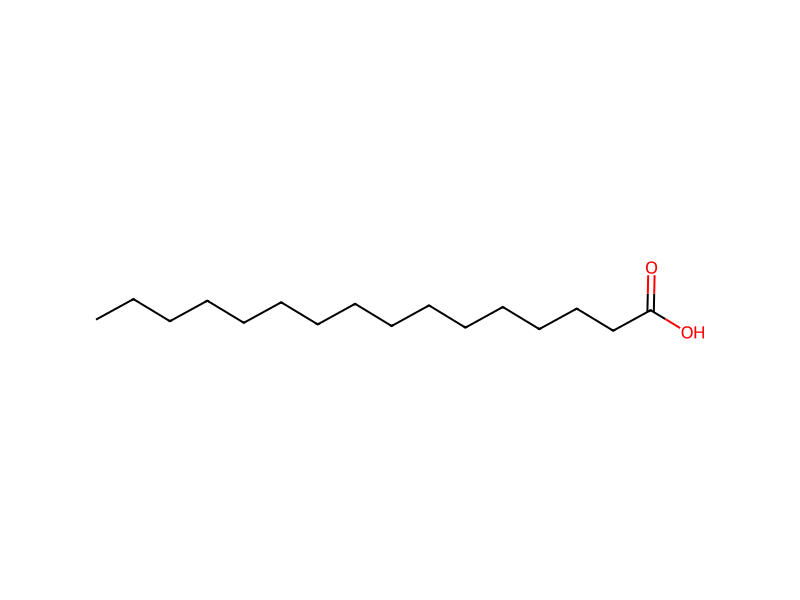
Basic information
- Standard SMILES
CCCCCCCCCCCCCCCC(=O)O- InChIKey
IPCSVZSSVZVIGE-UHFFFAOYSA-N- Molecular formula
- C16H32O2
- Average molar mass
- 256.42 g/mol
- Monoisotopic mass
- 256.24023026
Overview
Hexadecanoic acid is a straight-chain, sixteen-carbon, saturated long-chain fatty acid. It has a role as a plant metabolite, an EC 1.1.1.189 (prostaglandin-E2 9-reductase) inhibitor, a Daphnia magna metabolite and an algal metabolite. It is a long-chain fatty acid and a straight-chain saturated fatty acid. It is a conjugate acid of a hexadecanoate.
Names & identifiers
- Preferred name
- Palmitic Acid
- IUPAC
- hexadecanoic acid
Names & synonyms
palmitic acidHexadecanoic acid57-10-3Cetylic acidn-Hexadecanoic acidHexadecylic acid1-Pentadecanecarboxylic acidn-Hexadecoic acidHydrofolPalmitinic acidPentadecanecarboxylic acidhexaectylic acid
Show more names
Industrene 4516Emersol 140Emersol 143Hystrene 8016Hystrene 90161-Hexyldecanoic Acidhexadecoic acidPalmitic acid, pure
Database identifiers
- CAS
57-10-3- PubChem CID
- 985
- DTXSID
DTXSID2021602- ChEMBL
CHEMBL82293- ChEBI
CHEBI:15756- UNII
- 2V16EO95H1
- EC Number
- 200-312-9
- Nikkaji
- J1.378A
Properties
Computed structural properties
- XLogP
- 6.4
- Topological polar surface area
- 37.3 Ų
- Hydrogen bond donors
- 1
- Hydrogen bond acceptors
- 2
- Rotatable bonds
- 14
- Heavy atoms
- 18
- Formal charge
- 0
- Complexity
- 178
Experimental & physicochemical properties
Chemical ClassesOther Classes -> Organic Acids
DrugsPharmaceuticals -> Listed in ZINC15
Lipids
Lipids -> Unambiguous Lipids
Fatty Acyls [FA] -> Fatty Acids and Conjugates [FA01] -> Straight chain fatty acids [FA0101]
Polymers
Plastics -> Other functions -> Mould release agent
Plastics -> Polyolefin-I; Polyolefin-II
Cosmetics
Cosmetic ingredients (Palmitic Acid) -> CIR (Cosmetic Ingredient Review)
Emollient; Emulsifying
SpringerMaterials PropertiesBoiling point
FragrancesFragrance Ingredient (Palmitic acid) -> IFRA transparency List
LogP
log Kow = 7.17
7.17
5.31
7.17
OdorVirtually odorless; slight characteristic odor
TasteSlight characteristic taste
Food AdditivesFLAVOR ENHANCER, FLAVORING AGENT OR ADJUVANT, LUBRICANT OR RELEASE AGENT, SURFACE-ACTIVE AGENT -> FDA Substance added to food
Density
Density: 0.8527 g/cu cm at 62 °C
Relative density (water = 1): 0.85
0.849 @25 °C
Safety & regulation
GHS classification
GHS Classification
This chemical does not meet GHS hazard criteria for 66.5% (1245 of 1873) of all reports.
Warning
H315 (28.2%): Causes skin irritation [Warning Skin corrosion/irritation]
P261, P264, P264+P265, P271, P280, P302+P352, P304+P340, P305+P351+P338, P319, P321, P332+P317, P337+P317, P362+P364, P403+P233, P405, and P501 (click each P-code to see the statement)
Aggregated GHS information provided per 1873 reports by companies from 11 notifications to the ECHA C&L Inventory. Each notification may be associated with multiple companies.
Hazard information
Regulatory Information
Chemical: Hexadecanoic acid
Hexadecanoic acid is listed on the EPA's Chemical Data Reporting (CDR) system. Manufacturers and importers of Hexadecanoic acid are required to report information about their production and use of this chemical to the EPA under the Toxic Substances Control Act (TSCA). (40 eCFR Part 711)
TP - indicates a substance that is the subject of a proposed TSCA section 4 test rule.
Status: Active Update: 08-03-2023 https://echa.europa.eu/registration-dossier/-/registered-dossier/15218
Palmitic acid: Does not have an individual approval but may be used under an appropriate group standard
Other Safety InformationIMAP assessments - Hexadecanoic acid: Human health tier I assessment
Fire HazardsCombustible.
Fire PotentialCombustible
Hazards Summary
No listed effects of short-term or long-term exposure; Health effects of exposure to the substance have not been investigated. [ICSC] Safe when used as a flavoring agent in food; [JECFA] When given intravenously at lethal doses, causes convulsions; Causes mild irritation when administered to human skin; [RTECS] May cause irritation; [MSDSonline]
FDA Requirements
Palmitic acid is a food additive permitted for direct addition to food for human consumption, as long as 1) the quantity of the substance added to food does not exceed the amount reasonably required to accomplish its intended physical, nutritive, or other technical effect in food, and 2) any substance intended for use in or on food is of appropriate food grade and is prepared and handled as a food ingredient.
Special Reports
Cosmetic Ingredient Review; Final Report of the Cosmetic Ingredient Review Expert Panel; Final Report on the Safety Assessment of Oleic Acid, Lauric Acid, Palmitic Acid, Myristic Acid, and Stearic Acid. J Am Col Toxicol 6 (3): 321-401 (1987)
EPA Safer ChemicalChemical: Palmitic acid
FIFRA Requirements
Residues of palmitic acid are exempted from the requirement of a tolerance when used in accordance with good agricultural practice as inert (or occasionally active) ingredients in pesticide formulations applied to growing crops or to raw agricultural commodities after harvest. Use: Diluent. Limit: None.
Residues of the following chemical substances are exempted from the requirement of a tolerance when used in accordance with good manufacturing practice as ingredients in an antimicrobial pesticide formulation, provided that the substance is applied on a semi-permanent or permanent food-contact surface (other than being applied on food packaging) with adequate draining before contact with food. (a) The following chemical substances when used as ingredients in an antimicrobial pesticide formulation may be applied to: Food-contact surfaces in public eating places, dairy-processing equipment, and food-processing equipment and utensils. Palmitic acid is included on this list. Limit: When ready for use, the end-use concentration is not to exceed 100 ppm.
Chemical DangersReacts with bases, oxidants and reducing agents.
Physical DangersDust explosion possible if in powder or granular form, mixed with air.
Other Hazardous ReactionsIncompatible materials: Strong oxidizing agents, Strong reducing agents, Bases
Safety & protection
Fire FightingUse water spray, powder, foam, carbon dioxide.
First Aid Measures
Fresh air, rest.
First rinse with plenty of water for several minutes (remove contact lenses if easily possible), then refer for medical attention.
Safe StorageSeparated from bases, oxidants and reducing agents. Well closed.
Firefighting HazardsSpecial hazards arising from the substance or mixture: Carbon oxides
Fire Fighting ProceduresSuitable extinguishing media: Use water spray, alcohol-resistant foam, dry chemical or carbon dioxide. Advice for firefighters: Wear self-contained breathing apparatus for firefighting if necessary.
Storage ConditionsKeep container tightly closed in a dry and well-ventilated place. Storage class (TRGS 510): Non Combustible Solids
Cleanup Methods
ACCIDENTAL RELEASE MEASURES; Personal precautions, protective equipment and emergency procedures: Avoid dust formation. Avoid breathing vapors, mist or gas. Environmental precautions: No special environmental precautions required. Methods and materials for containment and cleaning up: Sweep up and shovel. Keep in suitable, closed containers for disposal.
Disposal Methods
SRP: Recycle any unused portion of the material for its approved use or return it to the manufacturer or supplier. Ultimate disposal of the chemical must consider: the material's impact on air quality; potential migration in air, soil or water; effects on animal, aquatic and plant life; and conformance with environmental and public health regulations. If it is possible or reasonable use an alternative chemical product with less inherent propensity for occupational harm/injury/toxicity or environmental contamination.
Product: Offer surplus and non-recyclable solutions to a licensed disposal company. Contaminated packaging: Dispose of as unused product
Spillage DisposalSweep spilled substance into covered containers. If appropriate, moisten first to prevent dusting.
Preventive Measures
ACCIDENTAL RELEASE MEASURES; Personal precautions, protective equipment and emergency procedures: Avoid dust formation. Avoid breathing vapors, mist or gas.
Gloves must be inspected prior to use. Use proper glove removal technique (without touching glove's outer surface) to avoid skin contact with this product. Dispose of contaminated gloves after use in accordance with applicable laws and good laboratory practices. Wash and dry hands.
Further processing of solid materials may result in the formation of combustible dusts. The potential for combustible dust formation should be taken into consideration before additional processing occurs. Provide appropriate exhaust ventilation at places where dust is formed.
SRP: Local exhaust ventilation should be applied wherever there is an incidence of point source emissions or dispersion of regulated contaminants in the work area. Ventilation control of the contaminant as close to its point of generation is both the most economical and safest method to minimize personnel exposure to airborne contaminants. Ensure that the local ventilation moves the contaminant away from the worker.
SRP: The scientific literature for the use of contact lenses by industrial workers is inconsistent. The benefits or detrimental effects of wearing contact lenses depend not only upon the substance, but also on factors including the form of the substance, characteristics and duration of the exposure, the uses of other eye protection equipment, and the hygiene of the lenses. However, there may be individual substances whose irritating or corrosive properties are such that the wearing of contact lenses would be harmful to the eye. In those specific cases, contact lenses should not be worn. In any event, the usual eye protection equipment should be worn even when contact lenses are in place.
Eye PreventionWear safety spectacles.
Fire PreventionNO open flames.
Toxicology
Interactions
Immunosuppressant cyclosporine A (CsA) treatment can cause severe side effects. Patients taking immunosuppressant after organ transplantation often display hyperlipidemia and obesity. Elevated levels of free fatty acids have been linked to the etiology of metabolic syndromes, nonalcoholic fatty liver and steatohepatitis. The contribution of free fatty acids to CsA-induced toxicity is not known. In this study we explored the effect of palmitic acid on CsA-induced toxicity in HepG2 cells. CsA by itself at therapeutic exposure levels did not induce detectible cytotoxicity in HepG2 cells. Co-treatment of palmitic acid and CsA resulted in a dose dependent increase in cytotoxicity, suggesting that fatty acid could sensitize cells to CsA-induced cytotoxicity at the therapeutic doses of CsA. A synergized induction of caspase-3/7 activity was also observed, indicating that apoptosis may contribute to the cytotoxicity. We demonstrated that CsA reduced cellular oxygen consumption which was further exacerbated by palmitic acid, implicating that impaired mitochondrial respiration might be an underlying mechanism for the enhanced toxicity. Inhibition of c-Jun N-terminal kinase (JNK) attenuated palmitic acid and CsA induced toxicity, suggesting that JNK activation plays an important role in mediating the enhanced palmitic acid/CsA-induced toxicity. Our data suggest that elevated FFA levels, especially saturated FFA such as palmitic acid, may be predisposing factors for CsA toxicity, and patients with underlying diseases that would elevate free fatty acids may be susceptible to CsA-induced toxicity. Furthermore, hyperlipidemia/obesity resulting from immunosuppressive therapy may aggravate CsA-induced toxicity and worsen the outcome in transplant patients.
Non-alcoholic steatohepatitis (NASH) is an increasingly common cause of chronic liver disease; however, no specific pharmacologic therapy has been shown to be effective in its treatment. The present study was designed to develop an experimental cell culture model of NASH using four kinds of fatty acids - palmitic acid (PA), stearic acid (SA), linoleic acid (LA), and oleic acid (OA) - and TNF-a, according to the two-hit hypothesis. The saturated fatty acids PA and SA are more cytotoxic than the unsaturated fatty acids OA and LA. Cellular lipid accumulation without cytotoxicity was more easily induced with the unsaturated fatty acids than with the saturated fatty acids. PA augmented TNF-a-induced cytotoxicity, while the unsaturated fatty acids attenuated TNF-a-induced cytotoxicity. In a mechanistic study, PA enhanced TNF-a-mediated apoptosis in the absence of oxidative stress, as determined by measuring the cellular glutathione and malondialdehyde levels. Moreover, PA inhibited the TNF-a-induced phosphorylation of AKT, but not c-Jun N-terminal kinase, indicating that inhibition of survival signaling pathways activated by TNF-a may explain the effects of PA on TNF-a-induced cytotoxicity. The in vitro NASH model established in this study may be used to screen drug candidates for suitability for the treatment of NASH.
/The study objective was/ to observe the effects of total flavonoids of tartary buckwheat on NO synthesis in EA.hy926 cells induced by palmitic acid. EA.hy926 cells were cultured in vitro and randomly divided into control group, palmitic acid-induced insulin resistance group, total flavonoids of tartary buckwheat group and metformin group. The content of NO in supernatant was detected by nitrate reductase. The eNOS mRNA and protein expression levels were determined by RT-PCR and Western blotting, respectively. Compared with control group, the NO content in supernatant and the expression levels of eNOS mRNA and protein were significantly lower in insulin resistance group (P<0.05). Compared with insulin resistance group, the NO content in supernatant, as well as the eNOS mRNA and protein expression markedly increased in both total flavonoids of tartary buckwheat group and metformin group (P<0.05), but there was no significant difference between the latter two groups (P>0.05). Total flavonoids of tartary buckwheat effectively promotes the expression of eNOS mRNA and protein in endothelial cells under palmitic acid stimulation, thereby contributing to the NO synthesis.
The excess of saturated free fatty acids, such as palmitic acid, that induces lipotoxicity in hepatocytes, has been implicated in the development of non-alcoholic fatty liver disease also associated with insulin resistance. By contrast, oleic acid, a monounsaturated fatty acid, attenuates the effects of palmitic acid. We evaluated whether palmitic acid is directly associated with both insulin resistance and lipoapoptosis in mouse and human hepatocytes and the impact of oleic acid in the molecular mechanisms that mediate both processes. In human and mouse hepatocytes palmitic acid at a lipotoxic concentration triggered early activation of endoplasmic reticulum (ER) stress-related kinases, induced the apoptotic transcription factor CHOP, activated caspase 3 and increased the percentage of apoptotic cells. These effects concurred with decreased IR/IRS1/Akt insulin pathway. Oleic acid suppressed the toxic effects of palmitic acid on ER stress activation, lipoapoptosis and insulin resistance. Besides, oleic acid suppressed palmitic acid-induced activation of S6K1. This protection was mimicked by pharmacological or genetic inhibition of S6K1 in hepatocytes. ...
For more Interactions (Complete) data for Palmitic acid (22 total), please visit the HSDB record page.
Environmental Fate
TERRESTRIAL FATE: Based on a classification scheme(1), an estimated Koc value of 1.3X10+4(SRC), determined from a log Kow of 7.17(2) and a regression-derived equation(3), indicates that palmitic acid is expected to be immobile in soil(SRC). The estimated pKa of palmitic acid is 4.95(4), indicating that this compound will exist almost entirely in the anion form in the environment and anions generally do not adsorb more strongly to soils containing organic carbon and clay than their neutral counterparts(5). Volatilization of palmitic acid from moist soil surfaces is not expected to be an important fate process because anions do not volatilize. Palmitic acid is not expected to volatilize from dry soil surfaces(SRC) based upon a vapor pressure of 3.8X10⁻⁷ mm Hg at 25 °C(6). Palmitic acid reached 84% of its theoretical BOD in 28 days in a modified OECD screening test and accounting for poor water solubility(7), suggesting that biodegradation is expected to be an important environmental fate process in soil under certain environmental conditions(SRC).
AQUATIC FATE: Based on a classification scheme(1), an estimated Koc value of 1.3X10+4(SRC), determined from a log Kow of 7.17(2) and a regression-derived equation(3), indicates that palmitic acid is expected to adsorb to suspended solids and sediment(SRC). An estimated pKa of 4.95(4) indicates palmitic acid will exist almost entirely in the anion form at pH values of 5 to 9 and, therefore, volatilization from water surfaces is not expected to be an important fate process(SRC). According to a classification scheme(5), BCF of 60 in golden ide fish (Leuciscus idus melanotus) after 3 days exposure(6), suggests that bioconcentration in aquatic organisms is moderate(SRC). The concentration of palmitic acid decreased from 536 to 3.7 ug/L (half-life approximately 0.50 days) during a 29-day incubation period of freshwater(7), suggesting that biodegradation may be an important environmental fate process in water under certain conditions(SRC).
ATMOSPHERIC FATE: According to a model of gas/particle partitioning of semivolatile organic compounds in the atmosphere(1), palmitic acid, which has a vapor pressure of 3.8X10⁻⁷ mm Hg at 25 °C(2), will exist in both the vapor and particulate phases in the ambient atmosphere. Vapor-phase palmitic acid is degraded in the atmosphere by reaction with photochemically-produced hydroxyl radicals(SRC); the half-life for this reaction in air is estimated to be 20 hours(SRC), calculated from its rate constant of 2.0X10⁻¹¹ cu cm/molecule-sec at 25 °C(SRC) that was derived using a structure estimation method(3). Particulate-phase palmitic acid may be removed from the air by wet and dry deposition(SRC). Palmitic acid adsorbed on silica gel and irradiated with light at wavelengths greater than 290 nm was found to be 58.9% degraded after 17 hours(4). However, palmitic acid had negligible direct photodegradation in seawater after 5 hours of irradiation under ambient sunlight conditions(5). Palmitic acid does not contain common chromophores that absorb at wavelengths >290 nm(6) and, therefore, is not likely susceptible to direct photolysis by sunlight under environmental conditions(SRC).
Food Survey Values
Palmitic acid was determined to be a volatile concentrate obtained from the Korean chamchwi plant (Aster scaber Thunb), concentration less than 0.02 % of total sample(1). Palmitic acid was identified as a volatile component of heated peanut oil(2). Palmitic acid has been identified in both roasted and boiled Chinese chestnuts (Castanea molissima)(3). The aroma concentrates of uncured beef were found to contain 0.32 mg/kg palmitic acid(4). The fine aerosol emission rate for palmitic acid from a frying hamburger (extra lean/regular), from a charbroiled hamburger (extra lean), and from a charbroiled hamburger (regular) was determined to be 14.2, 83.5, and 481.2 mg/kg, respectively(5). Palmitic acid has been identified in mutton and beef volatiles(6). Mature grains of 15 nonglutinous cultivars each of Indica, Sinica, Javanica, and Japonica brown rice collected in Japan and China in 1984 were determined to have an average of 19.56, 18.33, 15.20, and 16.79 % palmitic acid content, respectively(7). Palmitic acid has been identified as a volatile constituent of nectarine(8). Palmitic acid was found in paprika oleoresin at <0.1 mg/kg(9).
Palmitic acid is reported found in apple, preferments of bread, celery, roasted cocoa bean, cognac, country cured ham, potato, black tea, tomato, banana, grapefruit juice, cranberry, guava, grapes, melon, papaya, pear, raspberry, strawberry, cinnamon, ginger, saffron, hop oil, beer, rum, whiskies, grape wines, peanut oil, popcorn, soybean, coconut meat, avocado, cloudberry, plums, beans, mushroom, starfruit, marjoram, fenugreek, mango, tamarind, fig, kelp, cardamom, rice, prickly pear, dill, licorice, sake, buckwheat, corn oil, malt, wort, roasted chicory root, lemon balm, Chinese quince, pawpaw and sweet grass oil. Palmitic acid is reported, not quantified, beef fat, pork fat, and lamb(1).
Exposure RoutesThe substance can be absorbed into the body by inhalation of its aerosol and by ingestion.
Milk ConcentrationsThe palmitic acid content in milk fat for cows ranges from 5.78 to 29.00 percent of total fatty acid content(1).
Toxicity Summary
The CIR Expert Panel concluded that the following ingredients are safe in the present practices of use andconcentration described in the safety assessment when formulated to be non-irritating and non-sensitizing, which may be basedon a QRA...Palmitic Acid...
Safe for use in cosmetics, with qualifications
IDENTIFICATION AND USE: Palmitic acid is a solid. It is one of the most common fatty acids, which occurs in natural fats and oils. It is used as soap and cosmetics agent. It is also used in manufacture of metallic palmitates, lube oils, waterproofing, and food-grade additives. HUMAN STUDIES: Palmitic acid was a mild irritant when applied to human skin (75 mg total over 3 days). The excess of saturated free fatty acids, such as palmitic acid, that induces lipotoxicity in hepatocytes, has been implicated in the development of non-alcoholic fatty liver disease also associated with insulin resistance. Growing evidence suggests that the elevation of free fatty acids, including palmitic acid, are associated with inflammation and oxidative stress, which may be involved in endothelial dysfunction, characterized by the reduced bioavailability of nitric oxide (NO) synthesized from endothelial NO synthase (eNOS). Palmitic acid was found to induce significantly elevated levels of biologically active neutrophil chemoattractant, IL-8, from steatotic hepatocytes. In human Chang liver cells palmitic acid induced apoptosis accompanied by autophagy through mitochondrial dysfunction and endoplasmic reticulum stress, which are triggered by oxidative stress. Palmitic acid also stimulated pro-inflammatory responses in human immune cells via Toll-like receptor 4 (TLR4). In large prospective cohort, circulating palmitic acid was associated with higher diabetes risk. However, palmitic acid also plays an important role in early human development. At birth, the term infant is 13-15% body fat, with 45-50% of that as palmitic acid, much of which is derived from endogenous synthesis in the fetus. Palmitic acid is required for biosynthesis of lung lecithin, which is related to fetal maturation. Radiochromatogram showed high incorporation of palmitate into lecithin by fetal lung. Palmitic acid at concentrations up to 100 mg/dL showed little or no toxicity to sperm cells. Palmitic acid markedly suppressed the granulosa cell survival in a time- and dose-dependent manner. ANIMAL STUDIES: Administration of product formulations containing 2.2-74% palmitic acid produced minimal erythema and no edema 2-24 hr after application to the skin of albino rabbits. Administration of commercial grade palmitic acid to the eyes of 6 albino rabbits produced no irritation. Mild to moderate ocular irritation was produced in rabbits by product formulations containing 19.4% palmitic acid. One of these formulations had been diluted to 75% with corn oil. Cosmetic product formulations containing 2.2 and 4.4% palmitic acid produced no ocular irritation in 6 albino rabbits. Administration of up to 10 mL/kg of commercial-grade palmitic acid to rats caused no deaths and no significant gross lesions at necropsy. Transient clinical signs, such as unkempt fur, diarrhea, and slight CNS depression were seen at 4.64 and 10 mL/kg. Rats fed diets containing 4.6 g/kg/day palmitic acid for 6 weeks developed hyperlipemia. Rats that ingested a diet containing 6% palmitic acid for 16 weeks developed atherosclerotic lesions. Palmitic acid was administered to 16 mice at a dose of 1.0 mg 3 times per week for a total of 10 injections (total dose, 10 mg palmitic acid/mL tricaprylin). Eight mice were alive after 12 months, and 6 were alive after 18 months. One subcutaneous sarcoma was found after 19 months, 2 pulmonary neoplasms were found after 19 and 22 months, and 1 breast carcinoma was found after 22 months. Brief palmitic acid exposure of murine blastocysts resulted in altered embryonic metabolism and growth, with lasting adverse effects on offspring. Palmitic acid inhibited the cell growth in rat hepatocytes.
Average Daily Intake
Fatty acids are an important part of the normal daily diet of mammals, birds and invertebrates(1).
Annual consumption is 4533.33 lb. Individual consumption is 0.003841 mg/kg/day.
Ecotoxicity Excerpts
/BIRDS and MAMMALS/ Perfluorooctane sulfonate (PFOS) belongs to a group of chemicals called perfluoroalkyl acids that have been extensively used in various applications such as stain and oil resistant treatments for fabrics, fire-fighting foams, and insecticides. These chemicals present an environmental and health risk being present in many samples both in wildlife and humans. In this study, we investigate the effect of PFOS on fatty acid beta-oxidation in developing chicken embryos. Fertilized chicken eggs were exposed in ovo to PFOS at day 4 of incubation. On day 10, the eggs were dissected and livers were incubated in vitro with (3)H-palmitic acid for 2 hr. The media were collected, and after clean up, the amount of tritiated water was measured with liquid scintillation counting to determine the rate of palmitic acid beta-oxidation. PFOS was found to induce fatty acid beta-oxidation at doses starting from a lowest observed effect level (LOEL) of 0.1 ug/g egg weight. Maximum induction of 77% compared to control was seen at 0.3 ug/g. The administered doses in which effects are seen are around and even lower than the levels that can be found in wild populations of birds. General population human levels are a factor of two to three times lower than the LOEL value of this study. The environmental contamination of PFOS therefore presents a possibility of effects in wild populations of birds.
Plant Concentrations
Palmitic acid was identified as a volatile constituent of the Korean chamchwi plant (Aster scaber Thunb), concentration less than 0.02 % of total sample(1). Mature grains of 15 nonglutinous cultivars each of Indica, Sinica, Javanica, and Japonica brown rice collected in Japan and China in 1984 were determined to have an average of 19.56, 18.33, 15.20, and 16.79 % palmitic acid content, respectively(2). Palmitic acid has been identified as a volatile constituent of nectarine(3). Palmitic acid was found in paprika oleoresin at <0.1 mg/kg(4). Palmitic acid was found in fine particulate abrasion products from green leaves at a concentration of 835.4 ug/g and from dead leaves at a concentration of 589.9 ug/g; samples collected were from trees characteristic of the Los Angeles, CA area(5). Palmitic acid was identified as a volatile constituent of Callicarpa japonica Thunb. leaves collected from Jeonju, Korea in September 2001(6).
Plamitic acid occurrences in plants(1).
Ongoing Test Status
EPA has released the Interactive Chemical Safety for Sustainability (iCSS) Dashboard. The iCSS Dashboard provides an interactive tool to explore rapid, automated (or in vitro high-throughput) chemical screening data generated by the Toxicity Forecaster (ToxCast) project and the federal Toxicity Testing in the 21st century (Tox21) collaboration. /The title compound was tested by ToxCast and/or Tox21 assays/[USEPA; ICSS Dashboard Application; Available from, as of November 16, 2017: http://actor.epa.gov/dashboard/]
Effluent Concentrations
An average palmitic acid concentration of 6,500 ng/ul was identified in an industrial wastewater survey in which samples collected between Nov 1, 1979 to Nov 1, 1981 were analyzed(1). Water samples from three secondary treatment publicly owned treatment works in NJ were found to contain average palmitic acid concentrations of 14, 8, and 25 ppb(2). Secondary effluents from ten municipal and industrial wastewater treatment plants discharging into Illinois rivers were sampled; palmitic acid was identified in effluents from St. Charles Public Owned Treatment Work (POTW), Addison POTW, and Bensenville POTW(3). Palmitic acid was found in straw pulp bleaching and combined mill effluents taken during a production week starting on May 20, 1983 in Denmark(4). The average concentration of palmitic acid identified in Los Angeles County effluent collected quarterly from Nov 1980 to Aug 1981 was determined to be 2,500 ug/L(5). Wastewater from two kraft paper mills in Georgia were sampled in March 1972 and found to contain approximately 0.218 and 0.088 mg/L palmitic acid (as the methyl derivative)(6). Palmitic acid has been identified in unknown concentrations of leachate from a sanitary landfill in Barcelona, Spain(7). Palmitic acid has been identified in leachate samples collected from the interior of a municipal landfill situated in Gryta, Vasteras, Sweden in May 1990, concentration unknown(8). Palmitic acid was found in sludges from a Finnish pulp and paper mill(9). Palmitic acid was found in landfill leachate from a municipal solid waste facility in Porto Alegre City, Brazil(10). Palmitic acid was identified in Iona Island Sewage Treatment Plant (British Columbia, Canada) sewage and sludge effluent, concentrations ranging from 229 to 1,345 ug/L(11). Palmitic acid has been identified in sewage treatment effluent water samples from the lower River Lee, North of London, England in large quantities (> 0.1 ug/L)(12). Effluents from two pulp mills located downstream of the Township of Kawerau, in the Eastern Bay of Plenty region, New Zealand were found to contain an average of 311 and 20.5 ppb palmitic acid(13). Palmitic acid was identified in the emissions of a municipal waste incineration plant in Germany as having a concentration of 36.7 ug/cu m(14). Groundwater and soil from 91 waste sites at 18 Department of Energy (DOE) facilities were analyzed; palmitic acid was found at one of the facilities in groundwater, concentration not quantified(15).
Fine particle aerosol emission rates for palmitic acid from noncatalyst automobiles, catalyst automobiles, and heavy-duty diesel trucks were determined to be 6.0, 63.9, and 153.1 ug/km, respectively(1). Palmitic acid was identified in tire wear particles, brake lining particles, and road dust particles at concentrations of 4,818.4, 83.3, and 1,216.7 ug/g of particle sample, respectively(2). Palmitic acid was found in fine particulate abrasion products from green leaves at a concentration of 835.4 ug/g and from dead leaves at a concentration of 589.9 ug/g; samples collected were from trees characteristic of the Los Angeles, CA area(3). Fine particle emission rates for palmitic acid from a natural gas-fired water heater and a natural gas-fired space heater were determined(4). A HEPA-filtered dilution air sample emission rate for palmitic acid was determined to be 9.7 pg/kJ; the emission rate for palmitic acid through the first filter was determined to be 310.4 pg/kJ; the emission rate for palmitic acid through the backup filter was 56.8 pg/kJ(4). The emission rate for palmitic acid from motor vehicles in the Van Nuys tunnel in Los Angeles at 493.4 mg/L of gasoline-equivalent fuel burned, sampled on Sept 21, 1993(4). Palmitic acid has been identified in the influent (35.91 ug/L) and effluent (0.71 ug/L) from the Kallby STP located by the Hoje River, south of Lund, Sweden(5).
Soil Adsorption/Mobility
The Koc of neutral palmitic acid is estimated as 1.3X10+4(SRC), using a log Kow of 7.17(1) and a regression-derived equation(2). According to a classification scheme(3), this estimated Koc value suggests that neutral palmitic acid is expected to be immobile in soil. The estimated pKa of palmitic acid is 4.95(4), indicating that this compound will exist almost entirely in the anion form in the environment and anions generally do not adsorb more strongly to soils containing organic carbon and clay than their neutral counterparts(5).
Regulatory information
FDA Requirements
Palmitic acid is a food additive permitted for direct addition to food for human consumption, as long as 1) the quantity of the substance added to food does not exceed the amount reasonably required to accomplish its intended physical, nutritive, or other technical effect in food, and 2) any substance intended for use in or on food is of appropriate food grade and is prepared and handled as a food ingredient.
FIFRA Requirements
Residues of palmitic acid are exempted from the requirement of a tolerance when used in accordance with good agricultural practice as inert (or occasionally active) ingredients in pesticide formulations applied to growing crops or to raw agricultural commodities after harvest. Use: Diluent. Limit: None.
Residues of the following chemical substances are exempted from the requirement of a tolerance when used in accordance with good manufacturing practice as ingredients in an antimicrobial pesticide formulation, provided that the substance is applied on a semi-permanent or permanent food-contact surface (other than being applied on food packaging) with adequate draining before contact with food. (a) The following chemical substances when used as ingredients in an antimicrobial pesticide formulation may be applied to: Food-contact surfaces in public eating places, dairy-processing equipment, and food-processing equipment and utensils. Palmitic acid is included on this list. Limit: When ready for use, the end-use concentration is not to exceed 100 ppm.
Chemistry & industry
Pharmacology
Bionecessity
It is required for biosynthesis of lung lecithin, which is related to fetal maturation. Radiochromatogram showed high incorporation of palmitate into lecithin by fetal lung. Content in palm oil in Nigerian meals can partly be related to low incidence of respiratory distress.
Palmitic acid (16:0) is a saturated fatty acid present in the diet and synthesized endogenously. Although often considered to have adverse effects on chronic disease in adults, 16:0 is an essential component of membrane, secretory, and transport lipids, with crucial roles in protein palmitoylation and signal molecules. At birth, the term infant is 13-15% body fat, with 45-50% 16:0, much of which is derived from endogenous synthesis in the fetus. After birth, the infant accumulates adipose tissue at high rates, reaching 25% body weight as fat by 4-5 months age. Over this time, human milk provides 10% dietary energy as 16:0, but in unusual triglycerides with 16:0 on the glycerol center carbon. This paper reviews the synthesis and oxidation of 16:0 and possible reasons why the infant is endowed with large amounts of fat and 16:0. The marked deviations in tissues with displacement of 16:0 that can occur in infants fed vegetable oil formulas is introduced. Assuming fetal fatty acid synthesis and the unusual delivery of 16:0 in human milk evolved to afford survival advantage to the neonate, it is timely to question if 16:0 is an essential component of tissue lipids whereby both deficiency and excess are detrimental.
Pharmacodynamics
Palmitic acid is the first fatty acid produced during lipogenesis (fatty acid synthesis) and from which longer fatty acids can be produced. Palmitate negatively feeds back on acetyl-CoA carboxylase (ACC) which is responsible for converting acetyl-ACP to malonyl-ACP on the growing acyl chain, thus preventing further palmitate generation
Mechanism of Action
... Excessive palmitoylcarnitine formation and exhausted L-carnitine stores leading to energy depletion, attenuated acetylcholine synthesis and oxidative stress to be main mechanisms behind PA-induced neuronal loss.High PA exposure is suggested to be a factor in causing diabetic neuropathy and gastrointestinal dysregulation.
... First phase insulin release response was lost in these islets. FFAs slightly increased the insulin output of normal fresh pancreas beta-cells. However, chronic exposure to FFAs resulted in loss of first phase insulin release and blunted insulin secretion response to various levels of D-glucose stimulation.
Metabolism/Metabolites
Palmitic acid is rapidly metabolized, primarily by beta-oxidation. In addition to oxidative breakdown, palmitic acid undergoes a variety of conversion reactions in the liver and intestinal mucosa to stearic, oleic, palmitoleic, and myristic acids. omega-Oxidation, prior to beta-oxidation, may account for 5 to 10% of the hepatic metabolism of palmitic acid in the starved rat. After oxidation or conversion to other long-chain fatty acids or phospholipids, the carbon skeleton of palmitic acid is stored in the form of esterified cholesterol or returned to the plasma, depending upon the nutritional state of the organism.
Proposed mechanisms for fatty acid uptake by different tissues range from passive diffusion to facilitated diffusion or a combination of both. Fatty acids taken up by the tissues can either be stored in the form of triglycerides (98% of which occurs in adipose tissue depots) or they can be oxidized for energy via the beta-oxidation and tricarboxylic acid cycle pathways of catabolism. /Fatty acids/
The beta-oxidation of fatty acids occurs in most vertebrate tissues (except the brain) using an enzyme complex for the series of oxidation and hydration reactions resulting in the cleavage of acetate groups as acetyl-CoA (coenzyme A). An additional isomerization reaction is required for the complete catabolism of oleic acid. Alternate oxidation pathways can be found in the liver (omega-oxidation) and in the brain (alpha-oxidation). /fatty acids/
Fatty acid biosynthesis from acetyl-CoA takes place primarily in the liver, adipose tissue, and mammary glands of higher animals. Successive reduction and dehydration reactions yield saturated fatty acids up to a 16-carbon chain length. /Fatty acids/
Palmitic acid has known human metabolites that include 15-Hydroxy-hexadecanoic acid.
MeSH Pharmacological ClassificationCompounds or agents that combine with an enzyme in such a manner as to prevent the normal substrate-enzyme combination and the catalytic reaction.
Absorption, Distribution and Excretion
Added (14)C-labeled palmitate was more significantly incorporated into lipid fractions of muscle fibers from fetal and neonatal monkeys than those from adults. /Palmitate/
More (14)C-labeled palmitate was incorporated into lipid by adipose tissue of genetically obese rats than by controls. /Palmitate/
Radioactivity has been traced to the heart, liver, lung, spleen, kidney, muscle, intestine, adrenal, blood, and lymph, and adipose, mucosal, and dental tissues after administration of radioactive oleic, palmitic, or stearic acids.
Fatty acids originating from adipose tissue stores are either bound to serum albumin or remain unesterified in the blood.
For more Absorption, Distribution and Excretion (Complete) data for Palmitic acid (7 total), please visit the HSDB record page.
Tissue LocationsAdipose Tissue
Cellular LocationsCytoplasm
Metabolite Pathways27-Hydroxylase Deficiency
Uses & manufacturing
Uses
CIR ingredient: Palmitic Acid
Found as glycerol ester in oils and fats; Produced from palm oil, Japan wax, or Chinese vegetable tallow; [Merck Index] Very common naturally occurring fatty acid; Used to make metallic palmitates and esters; in soaps and cosmetics; in lube oils; for waterproofing; in food-grade additives; as a non-drying oil (surface coating); [HSDB]
Painting (Pigments, Binders, and Biocides) [Category: Paint]
Manufacture of metallic palmitates, soaps, lubricating oils, waterproofing, food-grade additives.
Soap/cosmetics agent; non-drying oil (surface coatings)
Reported uses (ppm):
ImpuritiesHeavy metals (as Pb): Not more than 10 mg/kg /from table/
U.S. Imports(1985) 4.14X10+9 g /Fatty acids from palm oil, 90% or more by weight/
U.S. Production
2023: 100,000,000 - <250,000,000 lb
(1977) 5.22X10+9 GRAMS (>60% PALMITIC)
(1979) 4.86X10+9 GRAMS (>60% PALMITIC)
(1985) Not reported /Palmitic & stearic acids ratio 2:1 or 1:1/
Production volumes for non-confidential chemicals reported under the Inventory Update Rule. [Table#4986]
For more U.S. Production (Complete) data for Palmitic acid (6 total), please visit the HSDB record page.
Consumer UsesOther
Industry UsesNot Known or Reasonably Ascertainable
Methods of Manufacturing
Obtained from palm oil, Japan wax, or chinese vegetable tallow.
From spermaceti by saponification and from palm oil, hydrolysis of natural fats. Method of purification: crystallization
From palm acid using selective crystallization; coproduced with oleic acid
Obtained from fats and oils derived from edible sources.
Formulations/Preparations
Grades: Technical; 99.8%; FCC.
"Eutectic" grades are a mixture of 60 percent palmitic acid and 30 percent stearic acid; other grades containing 80, 92, and 97 percent palmitic acid are available.
Household ProductsInformation on 182 consumer products that contain Palmitic acid in the following categories is provided:
Use Classification
EPA Safer Chemical Functional Use Classes -> Surfactants
Safer Chemical Classes -> Green circle - The chemical has been verified to be of low concern
Fragrance Ingredients
Flavouring Agent -> FLAVOURING_AGENT -> JECFA Functional Classes
Flavoring Agents -> JECFA Flavorings Index
Cosmetics -> Emollient; Emulsifying
General Manufacturing Information
Paint and Coating Manufacturing
Hexadecanoic acid: ACTIVE
Occurs as the glyceryl ester in many oils and fats
It occurs ... in most commercial grade stearic acid.
Bayberry wax, also known as myrtle wax ... contains about 58% myristic acid, 36% palmitic acid, & 1.3% loeic acid plus some minor ingredients ... . Japan wax is mainly palmitic acid in the form of glyceryl palmitate with stearic, oleic, and japonic acids.
The irradiation of fat-containing food forms 2-dodecylcyclobutanone (2-DCB) from palmitic acid (PA).
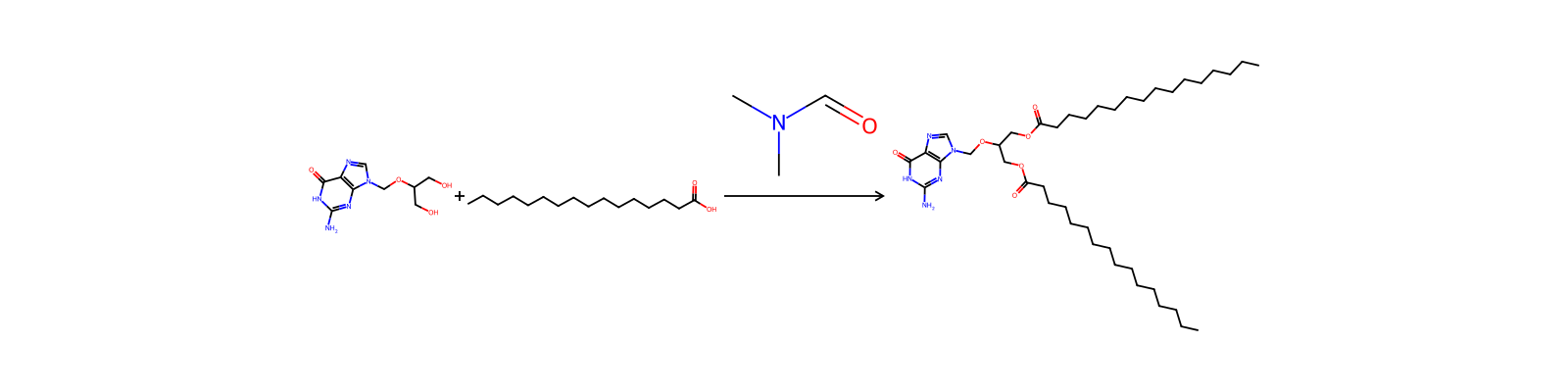
Related reactions
126 records






Linked notes
Loading…