
Basic information
- Standard SMILES
COS(=O)(=O)F- InChIKey
MBXNQZHITVCSLJ-UHFFFAOYSA-N- Molecular formula
- CH3FO3S
- Average molar mass
- 114.1 g/mol
- Monoisotopic mass
- 113.97869318
Overview
methylating agent, very toxic; HF & sulfuric acid generated when in contact with water; structure
Names & identifiers
- Preferred name
- Methyl fluorosulfate
- IUPAC
- fluorosulfonyloxymethane
- English name
- Methyl fluorosulfonate
- Molecular formula
- CH3FO3S
- Molecular weight
- 114.1
Names & synonyms
Methyl fluorosulfateRefChem:817752METHYL FLUOROSULFONATE421-20-5Magic methylMethyl fluorosulphonatefluorosulfonyloxymethanemethylfluorosulfonateMethyl fluorosulphateMethyl fluosulfonatemethyl sulfurofluoridateFluorosulfuric Acid Methyl Ester
Show more names
magicmethylmethylfluorosulfatemethylfluosulfonateMethyl SulfofluoridateMethylfluorosulphonate97%Methyl fluorosulphate 97%
Fluorosulfuric acid, methyl esterN015VFJ94ZMFCD00014721Methyl Fluorosulfonate (stabilized with KF) [for Esterification]CCRIS 1135HSDB 4375EINECS 207-004-3CH3FO3S
Database identifiers
- CAS
421-20-5- PubChem CID
- 9870
- DTXSID
DTXSID8073180- UNII
- N015VFJ94Z
- EC Number
- 207-004-3
- Nikkaji
- J53.975I
Properties
Computed structural properties
- XLogP
- 0.2
- Topological polar surface area
- 51.8 Ų
- Hydrogen bond donors
- 0
- Hydrogen bond acceptors
- 4
- Rotatable bonds
- 1
- Heavy atoms
- 6
- Formal charge
- 0
- Complexity
- 107
Experimental & physicochemical properties
Chemical ClassesOther Classes -> Other Organic Compounds
SpringerMaterials PropertiesSchoenflies notation
Density1.427 @ 16°C
Boiling Point92 °C @760 [mm Hg]
Physical DescriptionColorless liquid with an ethereal odor; [Hawley] Cloudy colorless or yellow liquid; [MSDSonline]
Physicochemical properties
- Melting point
- -95 ° · -95°
- Boiling point
- 93 °C · 93 °C
- Density
- 1.45 · 1.45
- refractive index
- 20 · nD20 1.3326
- Flash point
- 10 ℃ · 10℃
- form
- liquid
- Merck
- 6075 · 6075
- CAS DataBase Reference
- 421 · 421-20-5(CAS DataBase Reference)
- FDA UNII
- 15 VFJ94Z · N015VFJ94Z
- EPA Substance Registry System
- Fluorosulfuric acid, methyl ester (421-20-5)
- Symbol(GHS)
- 5 · GHS05,GHS06,GHS02
- Signal word
- Danger
- Hazard statements
- 330 · H330-H301+H311-H315-H318-H225
- Precautionary statements
- 501 · P501-P260-P270-P240-P210-P233-P243-P241-P242-P271-P264-P280-P284-P370+P378-P361+P364-P303+P361+P353-P332+P313-P301+P310+P330-P304+P340+P310-P305+P351+P338+P310-P403+P233-P403+P235-P405
- Hazard Codes
- C
- Risk Statements
- 34 · 34
- Safety Statements
- 26 · 26-36/37/39
- RIDADR
- 3265 · 3265
- RTECS
- 720000 · LP0720000
- Hazard Note
- Corrosive
- Hazardous Substances Data
- 421 · 421-20-5(Hazardous Substances Data)
- Toxicity
- 50 orally · LD50 orally in mice: <112 mg/kg; LC50 1 hr for rats: 5-6 ppm (Hite)
Safety & regulation
GHS classification
GHS Classification
Danger
H225 (100%): Highly Flammable liquid and vapor [Danger Flammable liquids]
P210, P233, P240, P241, P242, P243, P260, P262, P264, P264+P265, P270, P271, P280, P284, P301+P316, P302+P352, P303+P361+P353, P304+P340, P305+P354+P338, P316, P317, P320, P321, P330, P332+P317, P361+P364, P362+P364, P370+P378, P403+P233, P403+P235, P405, and P501 (click each P-code to see the statement)
The GHS information provided by 1 company from 1 notification to the ECHA C&L Inventory.
Hazard information
Hazards Summary
Extremely toxic; May cause pulmonary edema; [Merck Index] Reacts with moisture producing corrosive vapor; A strong tissue irritant; [Hawley] Evolves hydrofluoric and sulfuric acid on contact with water; [ChemIDplus] Corrosive to skin of rabbits; May cause pulmonary edema and corneal damage; Emergency treatment: see Hydrogen fluoride. [HSDB] A mutagen; Causes lacrimation and dyspnea in lethal-dose inhalation studies of rats; [RTECS] An irritant; May cause serious eye injury; May cause pulmonary edema; [MSDSonline]
Highly Hazardous SubstanceChemical: Methyl Fluorosulfate
Hazard Classes and CategoriesFlam. Liq. 2 (100%)
Safety & protection
Preventive MeasuresMETHYL FLUOROSULFATE SHOULD BE ASSUMED TO BE EXTREMELY TOXIC & SHOULD ALWAYS BE HANDLED WITH SUITABLE PRECAUTIONS.
Protective Action Criteria (PAC)
0.0021 [ppm]
0.023 [ppm]
0.14 [ppm]
Personal Protective Equipment (PPE)THIS COMPD IS A POTENTIAL CARCINOGEN. IT SHOULD BE HANDLED WITH GLOVES & WITH EFFICIENT FUME-CUPBOARD PROTECTION.
Toxicology
Adverse EffectsDermatotoxin - Skin burns.
Human Toxicity Excerpts
THE POTENTIAL HAZARDS INCL PULMONARY EDEMA & CORNEAL DAMAGE ARE REITERATED.
INHALATION OF A MINUTE QUANTITY PROVED FATAL TO A 25-YR-OLD WHO SPILLED A FEW MILLILITERS OF FLUID CONTAINING METHYLFLUOROSULFONATE ON HIS CLOTHING.
EVALUATED IN 2 IN VITRO ASSAYS, SALMONELLA REVERSE MUTATION ASSAY OF AMES & CELL TRANSFORMATION ASSAY OF STYLES. FINDINGS WERE CONSISTENT WITH THIS MATERIAL BEING A POSSIBLE CARCINOGEN.
MARKEDLY TOXIC BY ALL ROUTES STUDIED (ORAL, INHALATION, OCULAR & DERMAL) PARTICULARLY BY INHALATION ROUTE.
Non-Human Toxicity Excerpts
EYE IRRITATION STUDY IN RABBITS SHOWED THAT IT WAS SEVERELY IRRITATING & CAPABLE OF PRODUCING TOXIC SIGNS & DEATH BY OCULAR ROUTE. DERMAL IRRITATION STUDY IN RABBITS SHOWED THAT IT WAS NOT ONLY CORROSIVE TO SKIN BUT ALSO CAPABLE OF CAUSING DEATH BY THIS ROUTE.
Antidote and Emergency Treatment
REMOVE CONTAMINATED CLOTHING IMMEDIATELY & DISPOSE OF WITH GREAT CARE. PROTECT PERSONNEL PROVIDING CARE FROM CONTAMINATION.
IMMEDIATE ADMIN OF CORTICOSTEROIDS SHOULD BE CONSIDERED IF THIS AGENT IS THOUGHT TO HAVE BEEN INHALED. CONTINUOUS CLOSE OBSERVATION DURING FIRST 24 HR IS NECESSARY.
Toxicity DataLC50 (rat) = 5 ppm/1h
Safety data
- rtecs
- LP0720000
- ridadr
- 3265
- Toxicity
- LD50 orally in mice: <112 mg/kg; LC50 1 hr for rats: 5-6 ppm (Hite)
- risk_code
- 34
- Signal word
- Danger
- Symbol(GHS)
- GHS05,GHS06,GHS02
- hazard_code
- C
- hazard_note
- Corrosive
- safety_code
- 26-36/37/39
- Hazard statements
- H330-H301+H311-H315-H318-H225
- Precautionary statements
- P501-P260-P270-P240-P210-P233-P243-P241-P242-P271-P264-P280-P284-P370+P378-P361+P364-P303+P361+P353-P332+P313-P301+P310+P330-P304+P340+P310-P305+P351+P338+P310-P403+P233-P403+P235-P405
- Hazardous Substances Data
- 421-20-5(Hazardous Substances Data)
Chemistry & industry
Uses & manufacturing
UsesUsed as methylating agent in organic synthesis; [Merck Index]
Applications
UsesIn organic synthesis as methylating agent.
Upstream & downstream products
Upstream raw materials
Downstream products
Suppliers38 total
梯希爱(上海)化成工业发展有限公司021-67121386 · [email protected]
韶远科技(上海)有限公司021-50795510 4000665055 · [email protected]
Career Henan Chemica Co+86-0371-86658258 +86-13203830695 · [email protected]
杭州品高化工有限公司0571-87658025 · [email protected]
Aladdin Scientific[email protected]
上海迈瑞尔生化科技有限公司4006356688 18621169109 · [email protected]
安耐吉化学&3A(安徽泽升科技股份有限公司)400-0056266 · [email protected]
广东方信生物科技有限公司0751-2838688 13376594225 · [email protected]
上海尚饮思生化医药有限公司021-021-57872719 13761402923 · [email protected]
湖北成海化工有限公司027-59220433 18327245847 · [email protected]
TOKYO CHEMICAL INDUSTRY CO., LTD.03-36680489 · [email protected]
九鼎化学(上海)科技有限公司4009209199 · [email protected]
广东翁江化学试剂有限公司0751-2886766 13927870850 · [email protected]
安阳鸿蒙新材料有限公司19588588067 · [email protected]
上海阿拉丁生化科技股份有限公司6206333 13167063860 · [email protected]
启源(广东)医药化工有限公司18026564465 · [email protected]
安阳鸿蒙新材料有限公司0372-19588588067 19588588067 · [email protected]
上海源叶生物科技有限公司13636370518 · [email protected]
上海麦克林生化科技股份有限公司50706066 15221275939 · [email protected]
山东西亚化学有限公司4009903999 13395398332 · [email protected]
山东小野化学股份有限公司0539-6362799 20)
上海贤鼎生物科技有限公司021-021-52271985 17721149837 · [email protected]
Capot Chemical Co.,Ltd.+86-(0)57185586718 +86-13336195806 · [email protected]
江苏艾康生物医药研发有限公司025-66113011 19370895928 · [email protected]
厦门盈融达化工有限公司+86-0592-6210733 · [email protected]
天津希恩思生化科技有限公司400-6387771-6039 18920764717 · [email protected]
深圳聚合生化科技有限公司+86-400-002-6226 · [email protected]
陕西缔都医药化工有限公司029-029-029-81148696 18161915376 · [email protected]
广东元丰化学试剂有限公司0751-2829979 13318584237 · [email protected]
陕西缔都医药化工有限公司+86-29-81139210 17389186172 · [email protected]
山东天铭生物科技发展有限责任公司400-9019001 400-901-9001
重庆卡兰医药有限公司[email protected]
北京百灵威科技有限公司18210857532 18210857532 · [email protected]
HANGZHOU LEAP CHEM CO., LTD.+86-571-87711850 +8619957148339 · [email protected]
深圳利斯康医药科技有限公司+86-0755-89396905 +86-18025329037 · [email protected]
山东彬睿特新材料有限公司0533-2866658 15615638350 · [email protected]
上海信旗医药科技有限公司+86-21-54098501 · [email protected]
扬州摩笛尔电子材料有限公司13918702962 13761402923 · [email protected]
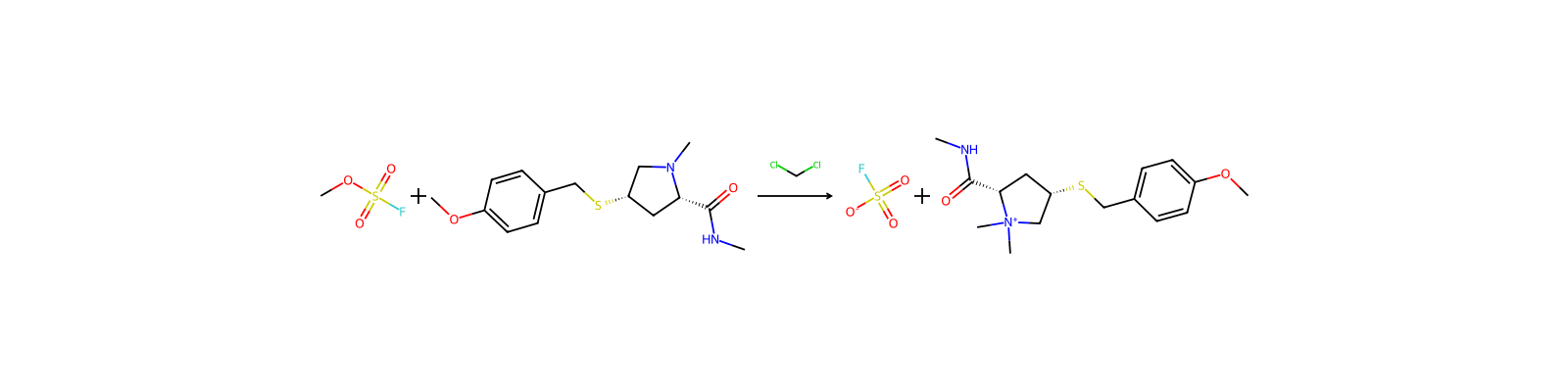
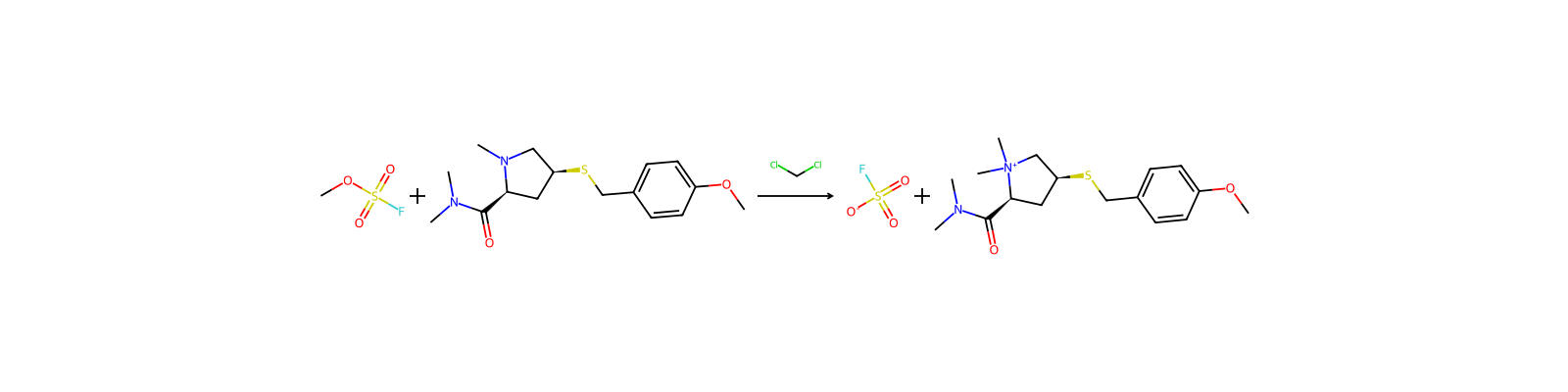
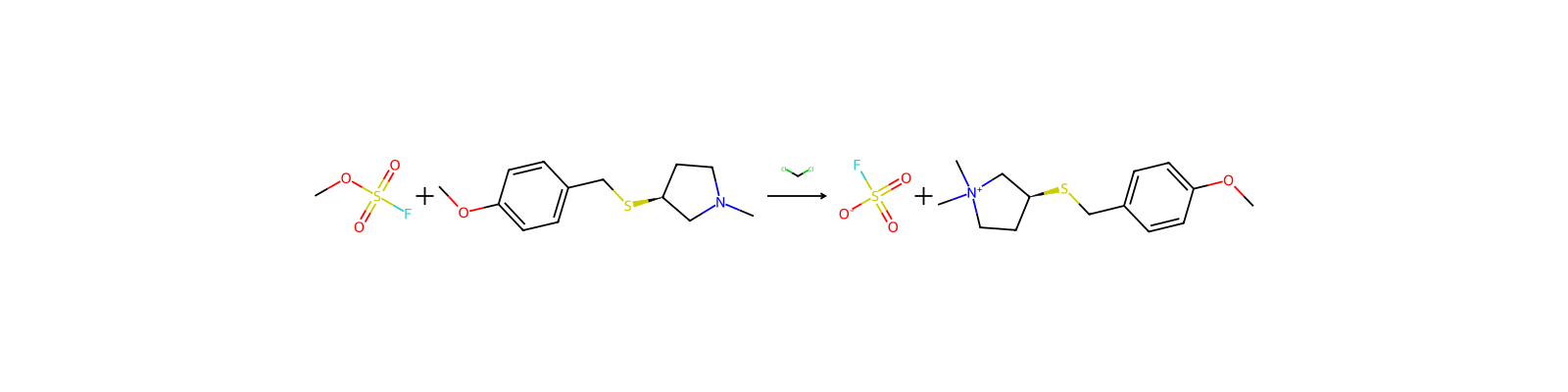
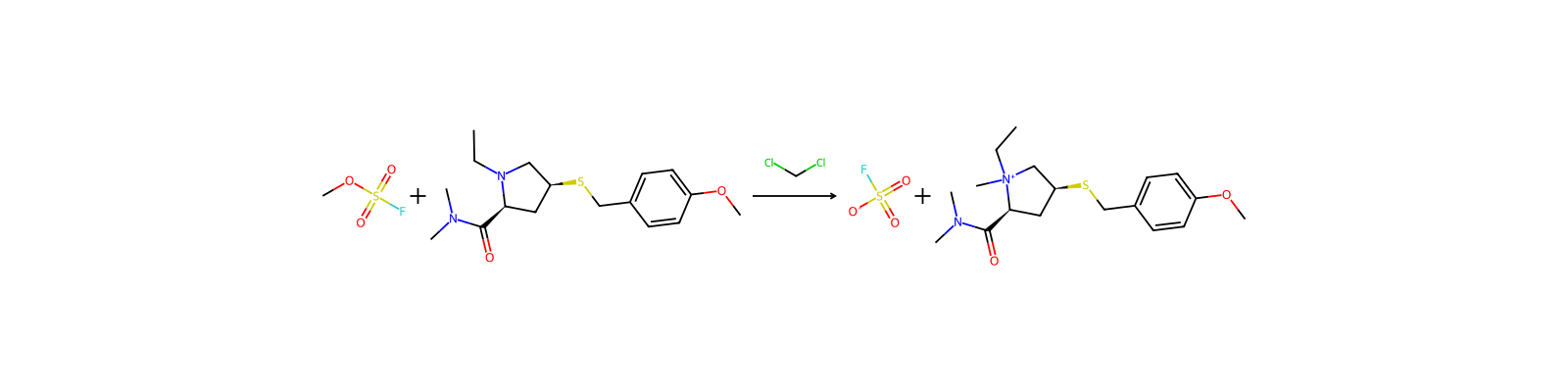
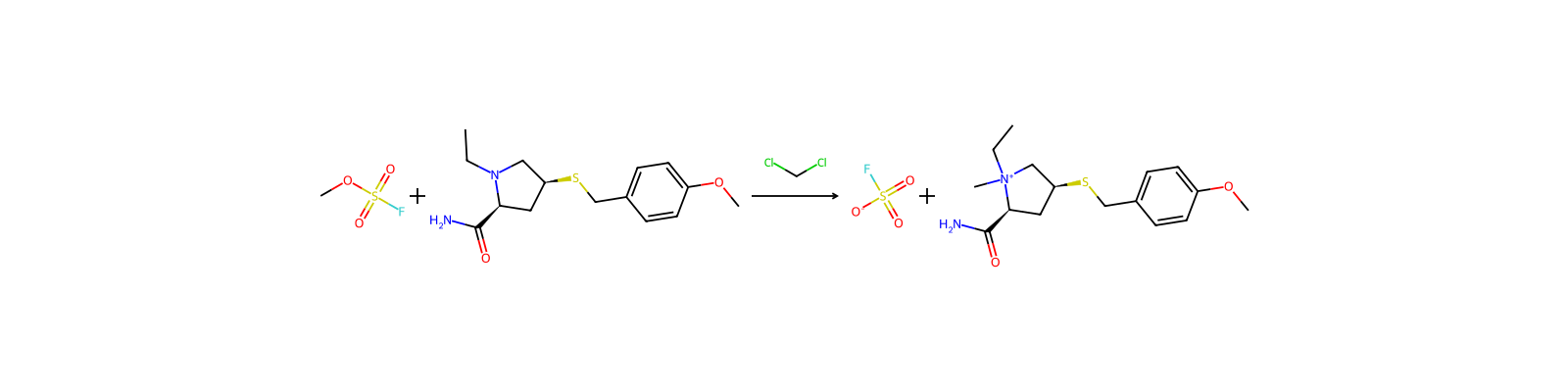
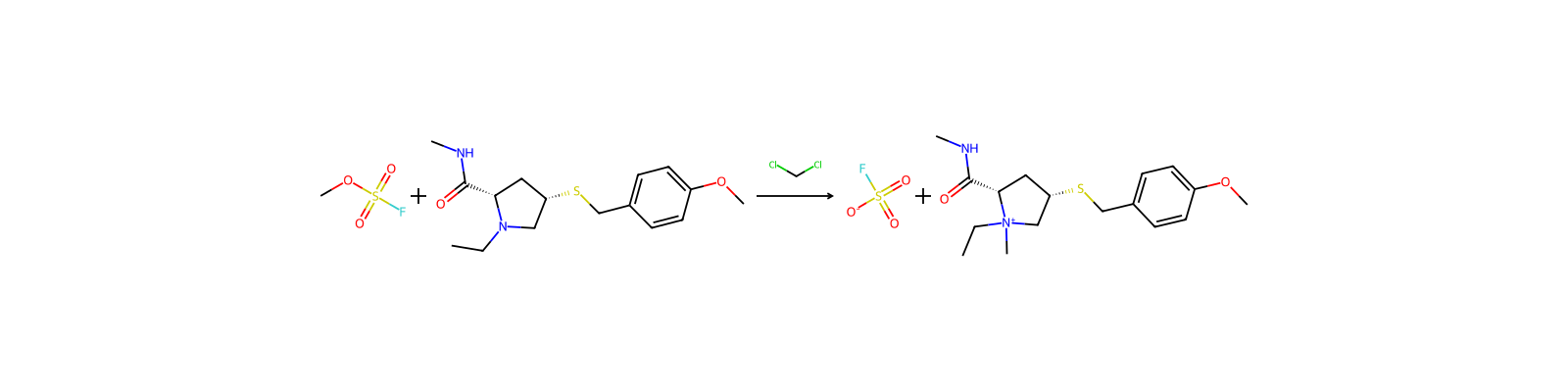
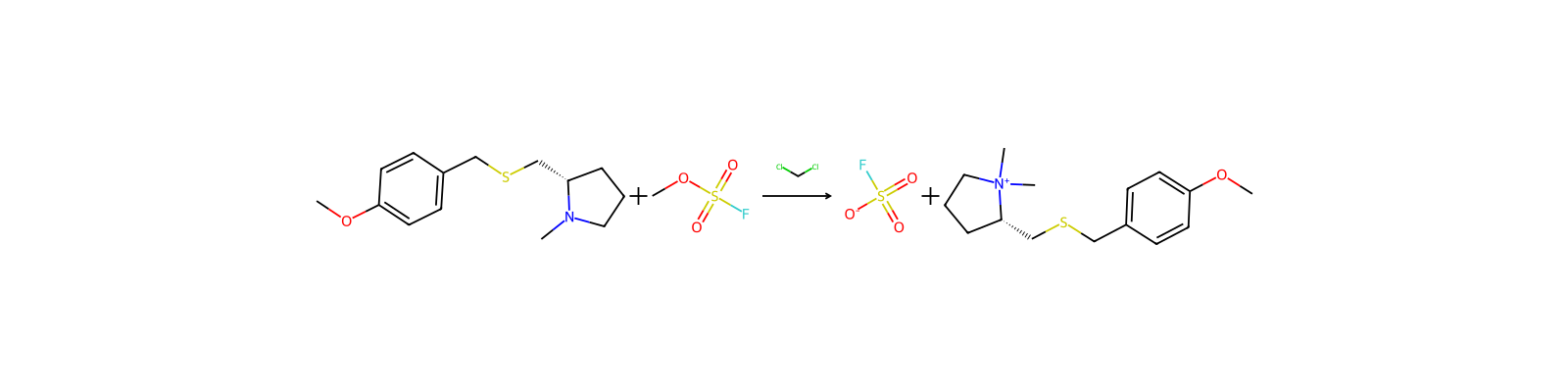
Related reactions
119 records

Linked notes
Loading…