HomeMCPWorkbenchSkills
HomeWorkbenchNotificationsMe
llms.txt · MCP GuidePrivacy Policy · Terms of Service · Supportv1.8.0
  1. Home
  2. /Compound

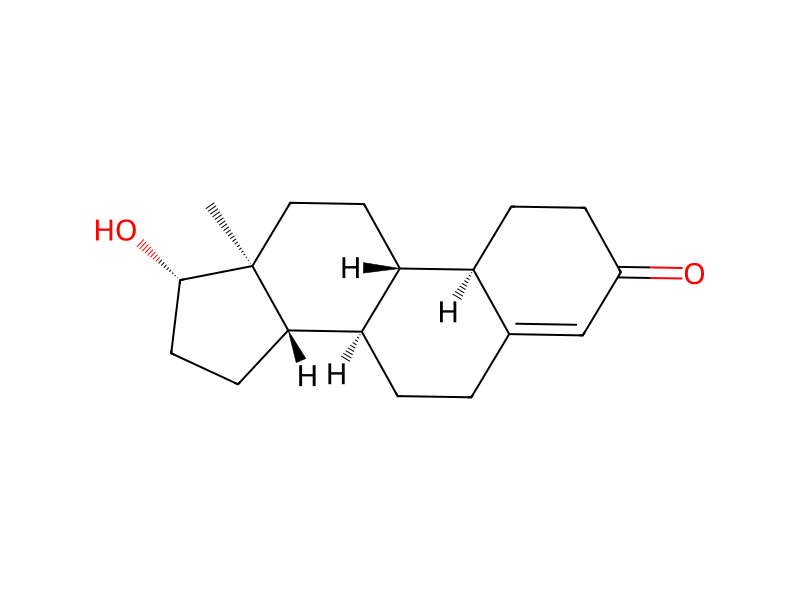
Nandrolone

HCID 9904
New noteNew reactionRequest quotes
Print preview
Basic informationOverviewNames & identifiersPropertiesSafety & regulationChemistry & industryRelated reactionsCompound notes
Substructure searchFind similar structures

Basic information

CAS
434-22-0
Standard SMILES
C[C@]12CC[C@H]3[C@@H](CCC4=CC(=O)CC[C@@H]43)[C@@H]1CC[C@@H]2O
InChIKey
NPAGDVCDWIYMMC-IZPLOLCNSA-N
Molecular formula
C18H26O2
Average molar mass
274.4 g/mol
Monoisotopic mass
274.19328007

Overview

Nandrolone is a 3-oxo 4-steroid that is estr-4-en-3-one substituted by a beta-hydroxy group at position 17. It has a role as a human metabolite. It is a 17beta-hydroxy steroid, a 3-oxo-Delta(4) steroid and an anabolic androgenic steroid. It derives from a hydride of an estrane.

Names & identifiers

Preferred name
Nandrolone
IUPAC
(8R,9S,10R,13S,14S,17S)-17-hydroxy-13-methyl-2,6,7,8,9,10,11,12,14,15,16,17-dodecahydro-1H-cyclopenta[a]phenanthren-3-one
English name
Nandrolone
Molecular formula
C18H26O2
Molecular weight
274.4

Names & synonyms

nandrolone19-Nortestosterone434-22-0NortestosteroneNorandrostenolone19-NorandrostenoloneMenidrabolNortestonateNandrolonOestrenolonNorandrostenolon17beta-Hydroxy-4-estren-3-one
Show more names
NADROLONENandrolone BaseNandrolone decanoatC07254NSC 3351ndrolone
4-Estren-17beta-ol-3-oneNandrolonaNandrolonum17beta-Hydroxy-19-nor-4-androsten-3-one(17beta)-17-hydroxyestr-4-en-3-onedecaduraNandrolone cIIIDTXSID7023350

Database identifiers

CAS
434-22-0
PubChem CID
9904
DTXSID
DTXSID7023350
ChEMBL
CHEMBL757
ChEBI
CHEBI:7466
UNII
6PG9VR430D
EC Number
207-101-0

Properties

Computed structural properties

XLogP
2.6
Topological polar surface area
37.3 Ų
Hydrogen bond donors
1
Hydrogen bond acceptors
2
Rotatable bonds
0
Heavy atoms
20
Formal charge
0
Complexity
466

Experimental & physicochemical properties

Drugs · 3 items

DEA Schedule III Controlled Substance -> Anabolic steroids

Pharmaceuticals -> Listed in ZINC15

Pharmaceuticals -> Synthetic Cannabinoids or Psychoactive Compounds

LipidsLipids -> Sterol Lipids [ST] -> Steroids [ST02] -> C18 steroids (estrogens) and derivatives [ST0201]
SpringerMaterials PropertiesChemical shift
LogP · 3 items

log Kow = 2.62

2.62

3.17

Color/FormDimorphic crystals
Solubility · 2 items

Soluble in ether, chloroform, and alcohol

3.09 mg/mL at 25 °C

Animal DrugsPharmaceuticals -> Animal Drugs -> Approved in Taiwan
Endocrine DisruptorsPotential endocrine disrupting compound
Melting Point · 6 items

Safety & regulation

Safety information is for reference only and does not replace the supplier’s Safety Data Sheet (SDS), applicable regulations, or professional assessment.

GHS classification

GHS Classification · 4 items

Warning

H302 (95.5%): Harmful if swallowed [Warning Acute toxicity, oral]

P261, P264, P270, P271, P280, P301+P317, P302+P352, P304+P340, P317, P321, P330, P362+P364, and P501 (click each P-code to see the statement)

Aggregated GHS information provided per 44 reports by companies from 5 notifications to the ECHA C&L Inventory. Each notification may be associated with multiple companies.

Hazard information

Regulatory Information · 2 items

DEA schedule III controlled substance

REACH registered substance: Nandrolone (EC: 207-101-0)

FDA Requirements · 2 items

Schedules of controlled substances are established by section 202 of the Controlled Substances Act (21 U.S.C. 812). Schedule III shall consist of the drugs and other substances, by whatever official name, common or usual name, chemical name, or brand name designated, listed in this section. Unless specifically excepted or unless listed in another schedule, any material, compound, mixture, or preparation containing any quantity of the following substances, including its salts, isomers, and salts of isomers whenever the existence of such salts of isomers is possible within the specific chemical designation. DEA Code #: 4000; Drug class: anabolic steroids.

The Approved Drug Products with Therapeutic Equivalence Evaluations List identifies currently marketed prescription drug products, incl nandrolone decanoate, approved on the basis of safety and effectiveness by FDA under sections 505 of the Federal Food, Drug, and Cosmetic Act. /Nandrolone Decanoate/

Hazard Classes and CategoriesAcute Tox. 4 (95.5%)

Safety & protection

Chemistry & industry

Pharmacology

ATC Code · 4 items

A - Alimentary tract and metabolism

S - Sensory organs

QS - Sensory organs

QA - Alimentary tract and metabolism

Mechanism of Action · 4 items

Functionally overloading rat soleus muscle by synergist ablation induces a rapid increase in mass. Muscle remodeling during the first week of overload is critical for the overload-induced growth. Anabolic steroid modulation of this overload-induced remodeling response is not well understood. The purpose of this study was to determine whether pretreatment with nandrolone decanoate, a clinically administered anabolic steroid, alters muscle morphology and gene expression related to muscle growth during the initiation of functional overload in the rat soleus muscle. Adult (5 mo) male Fisher 344 x Brown Norway rats were randomly assigned to control (Sham), 3-day functional overload (OV), nandrolone decanoate administration (ND), or 3-day functional overload with nandrolone decanoate administration (OV+ND) treatment groups. Morphologically, OV increased the percentage of small (361%) and large (150%) fibers and expanded the ECM 50%. ND administration decreased the 3-day OV induction of small fibers 51% and nuclei associated with the ECM 20%. ND administration also attenuated the induction of cell cycle regulator p21 (64%) and myogenin (37%) mRNAs after 3 days of overload. These data demonstrate that nandrolone decanoate pretreatment can alter morphological and cell cycle regulator expression related to muscle growth at the onset of functional overload.

Anabolic-androgenic steroids (AASs) are widely abused by adolescents, although persistent AAS use can cause several adverse physical and mental effects, including drug dependence. The first aim of the present study was to study the action of nandrolone decanoate on dopaminergic and serotonergic activities in the brains of rats. In order to evaluate the anabolic or toxic effects of the dosing regimens used, selected peripheral effects were monitored as well. Male Wistar rats were treated for 2 weeks. Injections containing nandrolone (5 and 20 mg/kg, i.m.) or vehicle were given once daily, 5 days a week. The levels of dopamine (DA), 5-hydroxytryptamine (5-HT) and their metabolites were assayed from dissected brain regions 3 days after the last injection. Blood was collected for chemical assays before, after 1 week treatment and at decapitation. Both doses of nandrolone significantly increased the levels of 3,4-dihydroxyphenylacetic acid (DOPAC), a metabolite of DA in the cerebral cortex, and the higher dose of nandrolone increased the concentrations of 5-HT in the cerebral cortex compared with the vehicle. In addition, after nandrolone treatment, the levels of hemoglobin and erythrocytes increased, and reticulocyte levels decreased. The results suggest that nandrolone at supraphysiological doses, high enough to induce erythropoiesis, induces changes in the dopaminergic and serotonergic neuronal system in the brains of rats. These phenomena may account to some of the observed central stimulatory properties that have been reported following AAS abuse.

Related reactions

38 records
New reaction record
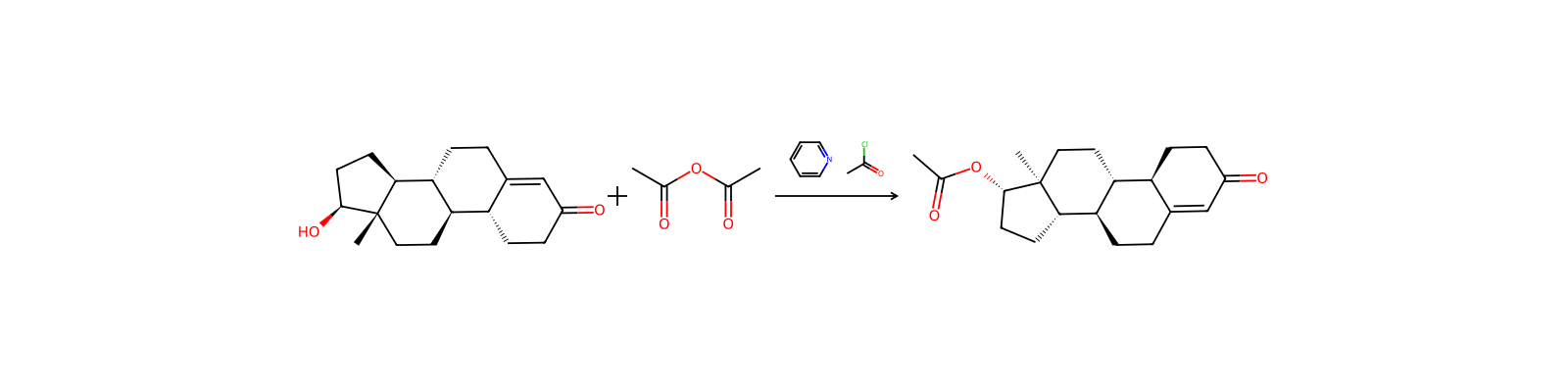
HRID 7411 reaction equation
HRID 7411As reactantuspto-grants-2006_08
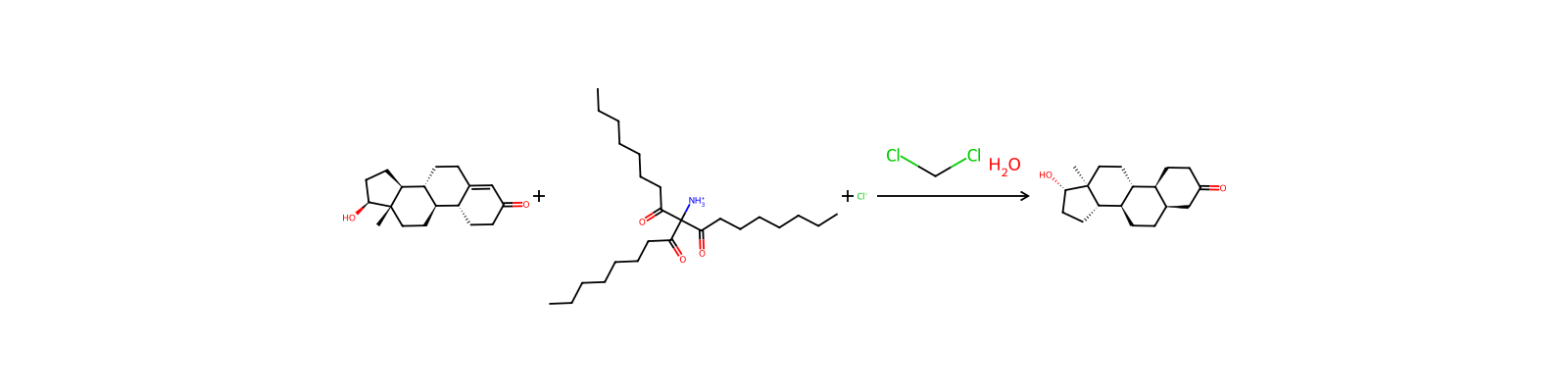
HRID 233467 reaction equation
HRID 233467As reactantuspto-grants-1997_01
HRID 234611 reaction equation
HRID 234611As reactantuspto-grants-1997_01
HRID 275674 reaction equation
HRID 275674As reactantuspto-grants-2002_03
HRID 352310 reaction equation
HRID 352310As reactantuspto-grants-2004_06
HRID 357326 reaction equation
HRID 357326As reactantuspto-grants-1998_11
HRID 369700 reaction equation
HRID 369700As reactantuspto-grants-2000_10
HRID 398781 reaction equation
HRID 398781As reactantuspto-grants-1998_10
Page 1 of 5

Compound notes

Loading…

On this pageBasic informationOverviewNames & identifiersPropertiesSafety & regulationChemistry & industryRelated reactionsCompound notes
More actions
New noteNew reactionRequest quotes
Nikkaji
J5.731B

112 and 124 °C

Needles from 75% alcohol; mp: 174-175 °C; specific optical rotation (alcohol): +104.5 deg at 20 °C/D /Benzoate/

Small, elongated prisms from petroleum ether; mp: 88-89 °C; specific optical rotation: +50 deg at 20 °C/D (c= 0.5 g/100 ml in chloroform) /cyclohexanecarboxylate/

Fine, white to creamy white, crystalline powder; soluble in acetone, chloroform, alcohol, vegetable oils; insoluble in water; odorless or may have slight odor; mp: 33-37 °C /Decanoate/

Fine, white to creamy white, crystalline powder; soluble in chloroform, alcohol, dioxane, ether, vegetable oils; insoluble in water; having slight characteristic odor; mp: 95-99 °C /Phenpropionate/

118 °C

Optical RotationSpecific optical rotation: +55 deg at 22 °C/D (c= 0.93 in chloroform)
Physical DescriptionSolid
Collision Cross Section · 2 items

167.5 Ų [M+H]+ [CCS Type: TW; Method: Major Mix IMS/Tof Calibration Kit (Waters)]

168.39 Ų [M+H]+

Physicochemical properties

Melting point
120 · 120-125 °C
alpha
22 · D22 +55° (c = 0.93 in chloroform)
Boiling point
357.38 °C · 357.38°C (rough estimate)
Density
1.0528 · 1.0528 (rough estimate)
refractive index
1.48 · 1.4800 (estimate)
Flash point
2 ℃ · 2℃
storage temp.
-20 °C · Controlled Substance, -20°C Freezer
solubility
1 mg/ml; · Acetonitrile: 1 mg/ml; Ethanol: 1 mg/ml; Methanol: 1 mg/ml
form
A crystalline solid
pka
15.06 · 15.06±0.40(Predicted)
color
2 Cl2/Et2O · Dimorphic crystals from CH2Cl2/Et2O
Water Solubility
3.09 g/L · 3.09g/L(25 ºC)
Merck
6365 · 6365
BRN
2055849 · 2055849
Henry's Law Constant
3.7 · 3.7×103 mol/(m3Pa) at 25℃, HSDB (2015)
Major Application
clinical testing
InChI
1S/C18H26O2/c1-18-9-8-14-13-5-3-12(19)10-11(13)2-4-15(14)16(18)6-7-17(18)20/h10,13-17,20H,2-9H2,1H3/t13-,14+,15+,16-,17-,18-/m0/s1
InChIKey
NPAGDVCDWIYMMC-IZPLOLCNSA-N
SMILES
CC12CCC3C(CCC4=CC(=O)CCC34)C1CCC2O
CAS DataBase Reference
434 · 434-22-0(CAS DataBase Reference)
FDA UNII
6 PG9VR430D · 6PG9VR430D
ATC code
14 AB01,S01XA11 · A14AB01,S01XA11
NIST Chemistry Reference
Nandrolone(434-22-0)
UNSPSC Code
41116107 · 41116107
NACRES
24 · NA.24
Symbol(GHS)
8 · GHS08
Signal word
Danger
Hazard statements
351 · H351-H360FD
Precautionary statements
201 · P201-P202-P280-P308+P313-P405-P501
Hazard Codes
Xn,T,F
Risk Statements
20 · 20/21/22-64-40-61-60-36-11-38-19
Safety Statements
22 · 22-24/25-36/37/39-45-36/37-53-16
RIDADR
1648 · UN 1648 3 / PGII
WGK Germany
3 · 3
RTECS
7964000 · KG7964000
HS Code
29372900 · 29372900
Storage Class
3 · 3 - Flammable liquids
Hazard Classifications
4 DermalAcute · Acute Tox. 4 DermalAcute Tox. 4 InhalationAcute Tox. 4 OralEye Irrit. 2Flam. Liq. 2
Hazardous Substances Data
434 · 434-22-0(Hazardous Substances Data)
REACH Registrations
Inactive
Disposal Methods · 1 item

SRP: The most favorable course of action is to use an alternative chemical product with less inherent propensity for occupational exposure or environmental contamination. Recycle any unused portion of the material for its approved use or return it to the manufacturer or supplier. Ultimate disposal of the chemical must consider: the material's impact on air quality; potential migration in soil or water; effects on animal, aquatic, and plant life; and conformance with environmental and public health regulations.

Toxicology

Interactions · 5 items

Anticoagulant effect may be increased during concurrent use with anabolic steroids, especially 17-alpha-alkylated compounds, because of decreased procoagulant factor concentration caused by alteration of procoagulant factor synthesis or catabolism and increased receptor affinity for the anticoagulant; anticoagulant dosage adjustment based on prothrombin time determinations may be required during and following concurrent use. /Anabolic steroids/

Anabolic steroids may decrease blood glucose concentrations; diabetic patients should be closely monitored for signs of hypoglycemia and dosage of hypoglycemic agent adjusted as necessary. /Anabolic steroids/

Concurrent use /of glucocorticoid corticosteroids, especially with significant mineralocorticoid activity; mineralocorticoid corticosteroids; corticotropin, especially prolonged therapeutic use; or sodium-containing medications or foods/ with anabolic steroids may increase the possibility of edema; in addition, concurrent use of glucocorticoids or corticotropin with anabolic steroids may promote development of severe acne. /Anabolic steroids/

Concurrent use of anabolic steroids with somatrem or somatropin may accelerate epiphyseal maturation. /Anabolic steroids/

Concurrent use /of other hepatotoxic medications/ with anabolic steroids may result in an increased incidence of hepatotoxicity; patients, especially those on prolonged administration or those with a history of liver disease, should be carefully monitored. /Anabolic steroids/

Environmental Fate · 3 items

TERRESTRIAL FATE: Based on a classification scheme(1), an estimated Koc value of 630(SRC), determined from a log Kow of 2.62(2) and a regression-derived equation(3), indicates that nandrolone is expected to have low mobility in soil(SRC). Volatilization of nandrolone from moist soil surfaces is not expected to be an important fate process(SRC) given an estimated Henry's Law constant of 2.7X10⁻⁹ atm-cu m/mole(SRC), using a fragment constant estimation method(4). Nandrolone is not expected to volatilize from dry soil surfaces(SRC) based upon an estimated vapor pressure of 3.5X10⁻⁸ mm Hg(SRC), determined from a fragment constant method(5). Biodegradation data were not available(SRC, 2005).

AQUATIC FATE: Based on a classification scheme(1), an estimated Koc value of 630(SRC), determined from a log Kow of 2.62(2) and a regression-derived equation(3), indicates that nandrolone is expected to adsorb to suspended solids and sediment(SRC). Volatilization from water surfaces is not expected(3) based upon an estimated Henry's Law constant of 2.7X10⁻⁹ atm-cu m/mole(SRC), developed using a fragment constant estimation method(4). According to a classification scheme(5), an estimated BCF of 21(SRC), derived from its log Kow(2) and a regression-derived equation(6), suggests the potential for bioconcentration in aquatic organisms is low(SRC). Biodegradation data were not available(SRC, 2005).

ATMOSPHERIC FATE: According to a model of gas/particle partitioning of semivolatile organic compounds in the atmosphere(1), nandrolone, which has an estimated vapor pressure of 3.5X10⁻⁸ mm Hg at 25 °C(SRC), determined from a fragment constant method(2), will exist solely in the particulate phase in the ambient atmosphere. Particulate-phase nandrolone may be removed from the air by wet and dry deposition(SRC). Nandrolone does absorb light at wavelengths >290 nm(3) and therefore is not expected to be susceptible to direct photolysis.

Toxicity Summary · 1 item

IDENTIFICATION: Nandrolone phenylpropionate is an anabolic steroid. Origin of the substance: Naturally occuring anabolic steroids are synthesised in the testis, ovary and adrenal gland from cholesterol via pregnenolone. Synthetic anabolic steroids are based on the principal male hormone testosterone, modified in one of three ways: alkylation of the 17-carbon, esterification of the 17-OH group, modification of the steroid nucleus. Color: The drug is white to creamy white solid crystals with a slight characteristic odor. It is practically insoluble in water; soluble in alcohol. Indications: The only legitimate therapeutic indications for anabolic steroids are: replacement of male sex steroids in men who have androgen deficiency, for example as a result of loss of both testes; the treatment of certain rare forms of aplastic anemia which are or may be responsive to anabolic androgens, or the drugs have been used in certain countries to counteract catabolic states, for example after major trauma. HUMAN EXPOSURE: Main risks and target organs: There is no serious risk from acute poisoning, but chronic use can cause harm. The main risks are those of excessive androgens: menstrual irregularities and virilization in women and impotence, premature cardiovascular disease and prostatic hypertrophy in men. Both men and women can suffer liver damage with oral anabolic steroids containing a substituted 17-alpha-carbon. Psychiatric changes can occur during use or after cessation of these agents. Summary of clinical effects: Acute overdosage can produce nausea and gastrointestinal upset. Chronic usage is thought to cause an increase in muscle bulk, and can cause an exaggeration of male characteristics and effects related to male hormones. Anabolic steroids can influence sexual function. They can also cause cardiovascular and hepatic damage. Acne and male- pattern baldness occur in both sexes; irregular menses, atrophy of the breasts, and clitoromegaly in women; and testicular atrophy and prostatic hypertrophy in men. Contraindications: Known or suspected cancer of the prostate or (in men) breast, pregnancy or breast-feeding, and known cardiovascular disease is a relative contraindication. ROUTES OF EXPOSURE: Oral: Anabolic steroids can be absorbed from the gastrointestinal tract, but many compounds undergo such extensive first pass metabolism in the liver that they are inactive. Those compounds in which substitution of the 17- carbon protects the compound from the rapid hepatic metabolism are active orally. There are preparations of testosterone that can be taken sublingually. Parenteral: Intramuscular or deep subcutaneous injection is the principal route of administration of all the anabolic steroids except the 17-alpha-substituted steroids which are active orally. Absorption by route of exposure: The absorption after oral dosing is rapid for testosterone and probably for other anabolic steroids, but there is extensive first-pass hepatic metabolism for all anabolic steroids except those that are substituted at the 17-alpha position. The rate of absorption from subcutaneous or intramuscular depots depends on the product and its formulation. Absorption is slow for the lipid-soluble esters such as the cypionate or enanthate, and for oily suspensions. Distribution by route of exposure: The anabolic steroids are highly protein bound, and is carried in plasma by a specific protein called sex-hormone binding globulin. Biological half-life by route of exposure: The metabolism of absorbed drug is rapid, and the elimination half-life from plasma is very short. The duration of the biological effects is therefore determined almost entirely by the rate of absorption from subcutaneous or intramuscular depots, and on the de-esterification which precedes it. Metabolism: Free (de-esterified) anabolic androgens are metabolized by hepatic mixed function oxidases. Elimination by route of exposure: After administration of radiolabelled testosterone, about 90% of the radioactivity appears in the urine, and 6% in the feces; there is some enterohepatic recirculation. Mode of action: Toxicodynamics: The toxic effects are an exaggeration of the normal pharmacological effects. Pharmacodynamics: Anabolic steroids bind to specific receptors present especially in reproductive tissue, muscle and fat. The anabolic steroids reduce nitrogen excretion from tissue breakdown in androgen deficient men. They are also responsible for normal male sexual differentiation. The ratio of anabolic (body-building) effects to androgenic (virilizing) effects may differ among the members of the class, but in practice all agents possess both properties to some degree. There is no clear evidence that anabolic steroids enhance overall athletic performance. Carcinogenicity: Anabolic steroids may be carcinogenic. They can stimulate growth of sex-hormone dependent tissue, primarily the prostate gland in men. Precocious prostatic cancer has been described after long-term anabolic steroid abuse. Cases where hepatic cancers have been associated with anabolic steroid abuse have been reported. Teratogenicity: Androgen ingestion by a pregnant mother can cause virilization of a female fetus. Main adverse effects: The adverse effects of anabolic steroids include weight gain, fluid retention, and abnormal liver function as measured by biochemical tests. Administration to children can cause premature closure of the epiphyses. Men can develop impotence and azoospermia. Women are at risk of virilization. /Nandrolone phenylpropionate/

Soil Adsorption/Mobility · 1 item

The Koc of nandrolone is estimated as 630(SRC), using a log Kow of 2.62(1)and a regression-derived equation(2). According to a classification scheme(3), this estimated Koc value suggests that nandrolone is expected to have low mobility in soil.

Human Toxicity Excerpts · 1 item

/CASE REPORTS/ A 21-year-old, previously healthy weight lifter collapsed during a bench press workout. He had taken anabolic androgenic steroids parenterally for the previous several months. Pertinent autopsy findings included marked cardiac and renal hypertrophy and hepatosplenomegaly, with regional myocardial fibrosis and focal myocardial necrosis. Nandrolone (19-nor-testosterone) metabolites were identified in postmortem urine.

Artificial Pollution SourcesNandrolone's production and use an anabolic steroid(1) and possible use as a performance enhancement drug in athletes(2) may result in its release to the environment through various waste streams(SRC).
Drug Induced Liver Injury · 4 items

Drug-Induced Liver Injury Severity and Toxicity (DILIst)

Nandrolone

DILI Positive

DOI:10.1016/j.drudis.2019.09.022

Environmental Bioconcentration · 1 item

An estimated BCF of 21 was calculated for nandrolone(SRC), using a log Kow of 2.62(1) and a regression-derived equation(2). According to a classification scheme(3), this BCF suggests the potential for bioconcentration in aquatic organisms is low.

Volatilization from Water/Soil · 1 item

The Henry's Law constant for nandrolone is estimated as 2.7X10⁻⁹ atm-cu m/mole(SRC) using a fragment constant estimation method(1). This Henry's Law constant indicates that nandrolone is expected to be essentially nonvolatile from moist soil(SRC) and water surfaces(2). Nandrolone is not expected to volatilize from dry soil surfaces(SRC) based upon an estimated vapor pressure of 3.5X10⁻⁸ mm Hg(3), determined from a fragment constant method(3).

Non-Human Toxicity Excerpts · 2 items

/LABORATORY ANIMALS: Acute Exposure/ Single intracutaneous injections of micronized crystalline suspensions of nandrolone phenylpropionate induced local thickening of the epidermis of female hairless hamsters, accompanied by marked increase in sebaceous gland volume over 7 days.

/LABORATORY ANIMALS: Subchronic or Prechronic Exposure/ This study examines the effect of chronic administration of the anabolic androgenic steroid nandrolone decanoate (ND) on dominant and subordinate male rats in a pair-housed condition. Pair-housed rats were assessed for dominance status based on their behavior and alterations in body weights. Throughout the study the rats were allowed limited social interactions on a daily basis. At all other times, a Plexiglas divider kept the rats separated, allowing olfactory and visual contact between the cage mates while preventing significant physical contact. One week into the study all subjects were subcutaneously implanted with a pellet that continuously infused either ND (15 mg/kg/day) or placebo for 21 days. Following the pellet implant, behavioral tests including reassessment for dominance status, and a conditioned fear test were conducted over a period of approximately 2 months to investigate possible long-term changes. The main finding is that during the allowed social interactions, the dominant ND-pretreated rats spent more time on highly aggressive behaviors than the dominant placebo-treated rats. In addition, the probability for highly aggressive behaviors was maintained for the ND-treated rats throughout the study, whereas it was decreased for the placebo-treated rats. The ND-treated subordinate rats showed less fear in a potential threatening situation compared to placebo-treated controls. These findings support the relatively long-term behavioral changes that have been seen in humans after abuse of ND and other anabolic androgenic steroid compounds.

Populations at Special Risk · 3 items

Anabolic steroids are not recommended for use during pregnancy, since studies in animals have shown that anabolic steroids cause masculinization of the fetus. Risk-benefit must be carefully considered. /Anabolic steroids/

Anabolic steroids should be used with caution in children and adolescents and only by specialists who are aware of their effects on bone maturation because of possible premature epiphyseal closure, precocious sexual development in males, and virilization in females. The epiphyseal maturation may be accelerated more rapidly than linear growth in children, and the effect may continue for 6 months after the medication has been discontinued. /Anabolic Steroids/

Anabolic steroids may decrease blood glucose concentrations; diabetic patients should be closely monitored for signs of hypoglycemia and dosage of hypoglycemic agent adjusted as necessary. /Anabolic steroids/

Environmental Abiotic Degradation · 1 item

Nandrolone is not expected to undergo hydrolysis in the environment due to the lack of hydrolyzable functional groups(1). Nandrolone does not absorb light at wavelengths >290 nm(2) and therefore is not expected to be susceptible to direct photolysis.

Regulatory information

FDA Requirements · 2 items

Schedules of controlled substances are established by section 202 of the Controlled Substances Act (21 U.S.C. 812). Schedule III shall consist of the drugs and other substances, by whatever official name, common or usual name, chemical name, or brand name designated, listed in this section. Unless specifically excepted or unless listed in another schedule, any material, compound, mixture, or preparation containing any quantity of the following substances, including its salts, isomers, and salts of isomers whenever the existence of such salts of isomers is possible within the specific chemical designation. DEA Code #: 4000; Drug class: anabolic steroids.

The Approved Drug Products with Therapeutic Equivalence Evaluations List identifies currently marketed prescription drug products, incl nandrolone decanoate, approved on the basis of safety and effectiveness by FDA under sections 505 of the Federal Food, Drug, and Cosmetic Act. /Nandrolone Decanoate/

Safety data

wgk
3
rtecs
KG7964000
ridadr
UN 1648 3 / PGII
hs_code
29372900
risk_code
20/21/22-64-40-61-60-36-11-38-19
Signal word
Danger
Symbol(GHS)
GHS08
hazard_code
Xn,T,F
safety_code
22-24/25-36/37/39-45-36/37-53-16
Storage Class
3 - Flammable liquids
Hazard statements
H351-H360FD
REACH Registrations
Inactive
Hazard Classifications
Acute Tox. 4 DermalAcute Tox. 4 InhalationAcute Tox. 4 OralEye Irrit. 2Flam. Liq. 2
Precautionary statements
P201-P202-P280-P308+P313-P405-P501
Hazardous Substances Data
434-22-0(Hazardous Substances Data)

Reverses catabolic processes and negative nitrogen balance by promoting protein anabolism and stimulating appetite if there is concurrently a proper intake of calories and proteins. /Anabolic steroids/

Antianemic: Anemias due to bone marrow failure: Increases production and urinary excretion of erythropoietin. Anemias due to deficient red cell production : Stimulates erythropoietin production and may have a direct action on bone marrow. Anemias associated with renal disease: increases hemoglobin and red blood cell volume. /Anabolic steroids/

Metabolism/Metabolites · 2 items

Isomers of 3-hydroxyestran-17-one estrane-3,17-diol were identified by gas-liq chromatography-mass spectrometry in urine of a crossbred horse given 19-nortestosterone im.

Metabolic studies of (14)c-labeled nortestosterone were carried out in mice by macroscopic autoradiog and in calves by liq scintillation determination of excretion and organ distribution. Radioactivity quickly eliminated in urine and feces. 10 wk after admin residual levels were low.

FDA Pharmacological Classification · 4 items

6PG9VR430D

NANDROLONE

Established Pharmacologic Class [EPC] - Androgen

Nandrolone is an Androgen.

MeSH Pharmacological Classification · 2 items

Compounds that interact with ANDROGEN RECEPTORS in target tissues to bring about the effects similar to those of TESTOSTERONE. Depending on the target tissues, androgenic effects can be on SEX DIFFERENTIATION; male reproductive organs, SPERMATOGENESIS; secondary male SEX CHARACTERISTICS; LIBIDO; development of muscle mass, strength, and power.

These compounds stimulate anabolism and inhibit catabolism. They stimulate the development of muscle mass, strength, and power.

Absorption, Distribution and Excretion · 2 items

Metabolic studies of (14)c-labe nortestosterone were carried out in mice and in calves. Radioactivity was quickly eliminated mainly in urine and feces. 10 wk after admin residual levels were low. Rapid absorption and elimination may be important in vet use.

It is not known whether anabolic steroids are distributed into breast milk. /Anabolic steroids/

Tissue LocationsAdrenal Gland
Cellular LocationsExtracellular

Uses & manufacturing

Uses · 2 items

MEDICATION (VET)

MEDICATION

Methods of Manufacturing · 3 items

Prepared from alkyl ethers of estradiol.

A dry benzene solution of...19-nortestosterone & pyridine is mixed with ... Decanoyl chloride & esterification is allowed ... in an atmosphere of nitrogen. After washing successively with acid, alkali, & water, solvent is evaporated & crude ester is recrystallized from petroleum ether or ... other suitable solvent. /Decanoate/

19-nortestosterone is esterified with hydrocinnamoyl chloride by the method described for nandrolone decanoate. /Phenpropionate/

Formulations/Preparations · 3 items

19-Nortestosterone cyclohexylpropionate, sanabolicum /cyclohexanepropionate/; 19-Nortestosterone hexahydrobenzoate, Norlongandron, Nor-durandron /cyclohexanecarboxylate/; Nandrolone laurate, laurabolin v /dodecanoate/; 19-Nortestosterone furylpropionate, NFP, Demelon. /furylpropionate/

DECA-DURABOLIN (ORGANON) /DECANOATE/...DURABOLIN (ORGANON) /PHENPROPIONATE/

DOSAGE FORMS: oily solution: /Decanoate/

Use ClassificationPharmaceuticals -> Animal Drugs -> Approved in Taiwan
General Manufacturing Information · 4 items

While data specific to nandrolone were not available(SRC, 2005), the literature suggests that some pharmaceutically active compounds originating from human and veterinary therapy are not eliminated completely in municipal sewage treatment plants and are therefore discharged into receiving waters(1). Wastewater treatment processes often were not designed to remove them from the effluent(2). Selected organic waste compounds may be degrading to new and more persistent compounds that may be released instead of or in addition to the parent compound(2).

This is a controlled substance (anabolic steroid)... .

Synthetic analogs of androgens have been used by professional, as well as amateur, athletes for possible performance enhancement.

Anabolic Steroid Control Act of 2004. Public Law 108-358 (October 22, 2004)... includes /nandrolone/ as an anabolic steroid

Applications

UsesAn anabolic steroid. Controlled substance (anabolic steroid)

Upstream & downstream products

Downstream products

Norethindrone6-DehydronandroloneBolandiol17beta-hydroxyestr-4-en-3-one 17-(cyclohexanecarboxylate)Estr-4-en-3-one, 17-hydroxy-, cyclic 1,2-ethanediyl mercaptole, (11b)-Estran-3-one, 4,5-epoxy-17-hydroxy-, (4β,5β,17β)- (9CI)Nandrolone cypionate

Additional notes

DefinitionChEBI: A 3-oxo Delta4-steroid that is estr-4-en-3-one substituted by a beta-hydroxy group at position 17.