
Dl-Phenylalanine

Basic information
- CAS
150-30-1- Standard SMILES
NC(Cc1ccccc1)C(=O)O- InChIKey
COLNVLDHVKWLRT-UHFFFAOYSA-N- Molecular formula
- C9H11NO2
- Average molar mass
- 165.19 g/mol
- Monoisotopic mass
- 165.07897859
Overview
Phenylalanine is an aromatic amino acid that is alanine in which one of the methyl hydrogens is substituted by a phenyl group. It has a role as a Daphnia magna metabolite. It is an alpha-amino acid and an aromatic amino acid. It contains a benzyl group. It is a conjugate base of a phenylalaninium. It is a conjugate acid of a phenylalaninate.
Names & identifiers
- Preferred name
- Dl-Phenylalanine
- IUPAC
- 2-amino-3-phenylpropanoic acid
- English name
- DL-Phenylalanine
- Molecular formula
- C9H11NO2
- Molecular weight
- 165.19
Names & synonyms
DL-PHENYLALANINE150-30-1DL-3-PhenylalaninePhenylalanine DL-formPhenylalanine, dl-DL-2-Amino-3-phenylpropanoic acidFEMA No. 3726NSC 9959DTXSID9023463d,l-phenylalanineEINECS 205-756-7CCRIS 8601
Show more names
3-AMINO-3-PHENYLPROPANOIC ACIDH-DL-PHE-OHDL-PHENYALANINE3 AMINO-PHENYLPROPIONIC ACIDD,L-PHEDLPA 375FEMA 3726DL-Phenylalani
AI3-18436PHENYLALANINE DL8P946UF12SNSC-9959DL-PHENYLALANINE [FCC]DTXCID103463DL-PHENYLALANINE [FHFI]DL-PHENYLALANINE [WHO-DD]
Database identifiers
- CAS
150-30-1、30394-07-1、63-91-2、673-06-3- PubChem CID
- 994
- DTXSID
DTXSID9023463- ChEMBL
CHEMBL25080- ChEBI
CHEBI:28044- UNII
- 8P946UF12S
Properties
Computed structural properties
- XLogP
- -1.5
- Topological polar surface area
- 63.3 Ų
- Hydrogen bond donors
- 2
- Hydrogen bond acceptors
- 3
- Rotatable bonds
- 3
- Heavy atoms
- 12
- Formal charge
- 0
- Complexity
- 153
Experimental & physicochemical properties
Chemical ClassesBiological Agents -> Amino Acids and Derivatives
DrugsPharmaceuticals
Food AdditivesFLAVOR ENHANCER, FLAVORING AGENT OR ADJUVANT -> FDA Substance added to food
Flavoring AgentsEU Flavoring substances
Solubility
Soluble in water and dilute mineral acid and alkali hydroxide solutions
Slightly soluble (in ethanol)
Vapor Pressure0.00000005 [mmHg]
Physical Description
Solid; [Merck Index] White powder; [Sigma-Aldrich MSDS]
White crystalline platelets; odourless
Physicochemical properties
- Melting point
- 266 · 266-267 °C (dec.) (lit.)
Safety & regulation
Safety information is for reference only and does not replace the supplier’s Safety Data Sheet (SDS), applicable regulations, or professional assessment.
GHS classification
GHS Classification
This chemical does not meet GHS hazard criteria for 99.1% (112 of 113) of all reports.
Not Classified
Aggregated GHS information provided per 113 reports by companies from 2 notifications to the ECHA C&L Inventory.
Hazard information
Regulatory Information
Chemical: DL-Phenylalanine
Commission Regulation (EC) No 1565/2000 (Repealed by Com. Implementing Reg. (EU) No 872/2012)
Phenylalanine: Does not have an individual approval but may be used under an appropriate group standard
Other Safety InformationIMAP assessments - DL-Phenylalanine: Human health tier I assessment
Hazards SummarySafe when used as a flavoring agent in food; [EFSA] Not considered hazardous by GHS classification; [Sigma-Aldrich MSDS] See Phenylalanine.
Hazard Classes and CategoriesNot Classified
Safety data
- PPE
- Eyeshields, Gloves, type N95 (US)
- wgk
- 3
- tsca
- TSCA listed
- hs_code
- 29224995
- risk_code
- 36/37/38-34
- Signal word
- Warning
- Symbol(GHS)
- GHS07
- hazard_code
- Xi,C
- hazard_note
- Irritant
Chemistry & industry
Uses & manufacturing
UsesUsed as a component of aspartame and as a nutrient; [Merck Index] Used as a flavoring agent; [FDA]
Use Classification
Flavoring Agents -> JECFA Flavorings Index
Flavouring Agent -> FLAVOURING_AGENT -> JECFA Functional Classes
General Manufacturing InformationPhenylalanine: ACTIVE
Applications
DescriptionAs an essential amino acid, phenylalanine is necessary for the production of tyrosine in human body, which cannot be synthesized from more basic substances in humans and other animals, meaning that it is obtained only by ingestion of phenylalanine or phenylalanine- containing proteins, which is particularly rich in eggs, chicken, liver, beef, breast milk of mammals, and soybeans, etc. There are three forms of phenylalanine: L-phenylalanine, the natural form found in protein-rich foods, D-phenylalanine, the synthetic mirror image and DL-Phenylalanine (DLPA), the mixture of both forms made in the laboratory that can maximize benefits. DLPA is manufactured for medical, feed, and nutritional applications, which can be used to produce food and drink products. It is marketed as a nutritional supplement due to its reputed analgesic and antidepressant effects. Besides, it can be applied for depression, attention deficit-hyperactivity disorder (ADHD), Parkinson's disease, chronic pain, osteoarthritis, rheumatoid arthritis, alcohol withdrawal symptoms, and a skin disease called vitiligo.
OccurrencePhenylalanine is the most commonly found aromatic amino acid in proteins and enzymes with a molar ratio of 3.5% compared to the other amino acids, about double the amount of any other aromatic amino acid. Reported found in white bread, macaroni, egg noodles, corn flakes, corn grits, oatmeal, wheat bran, wheat flakes, shredded wheat, barley, brown rice, rye flour, whole grain wheat flour, buttermilk, blue cheese, cheddar cheese, cottage cheese, cream cheese, parmesan cheese, bacon, cured ham, frankfurters, pork sausage, canned red kidney beans, canned sweet corn, canned peas, canned lima beans, canned potatoes, canned asparagus, canned snap beans, canned beets, beef, lamb, fresh ham, veal round, beef liver, chicken, chicken liver, turkey and other natural sources.
Related reactions
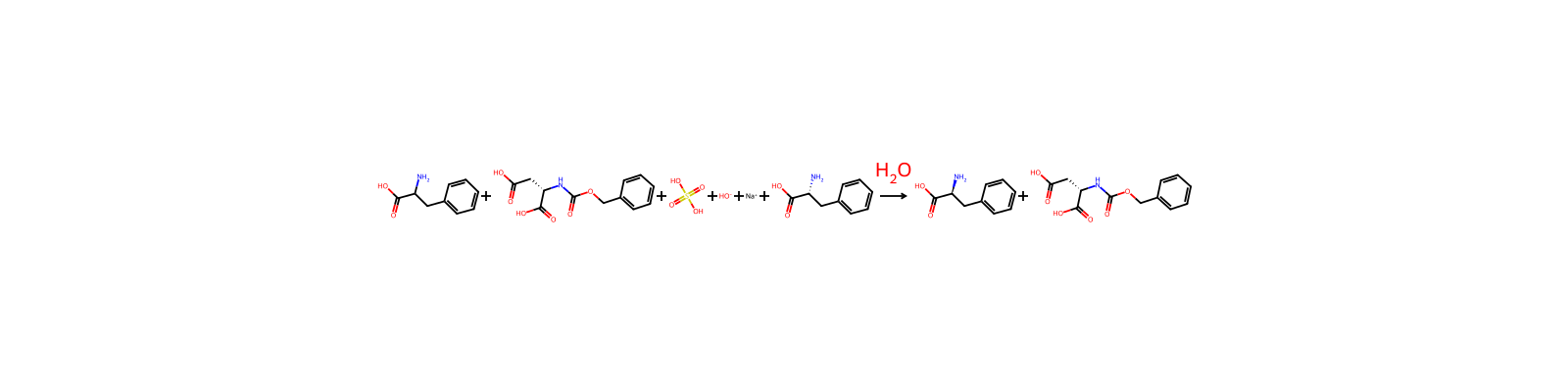
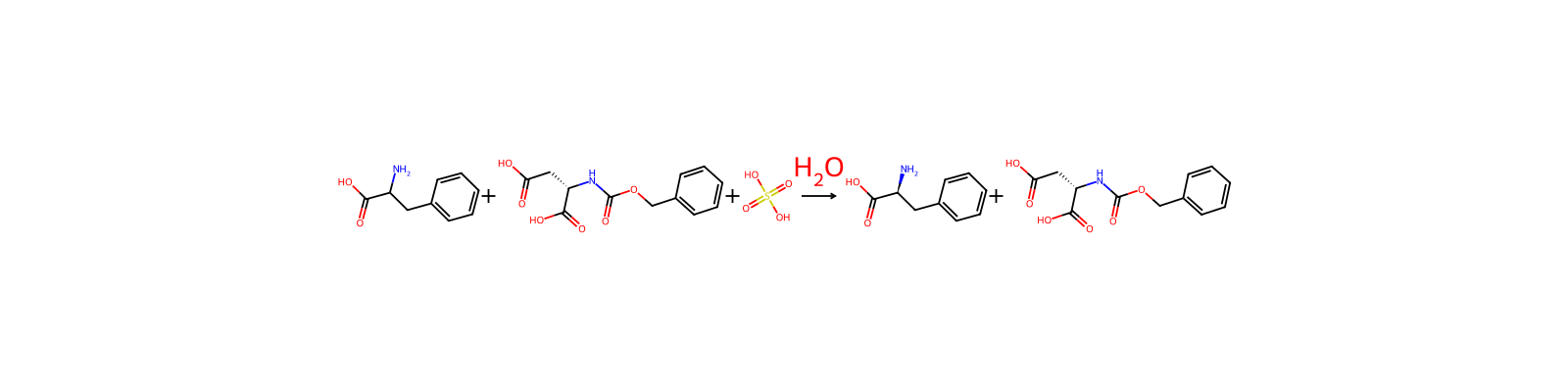
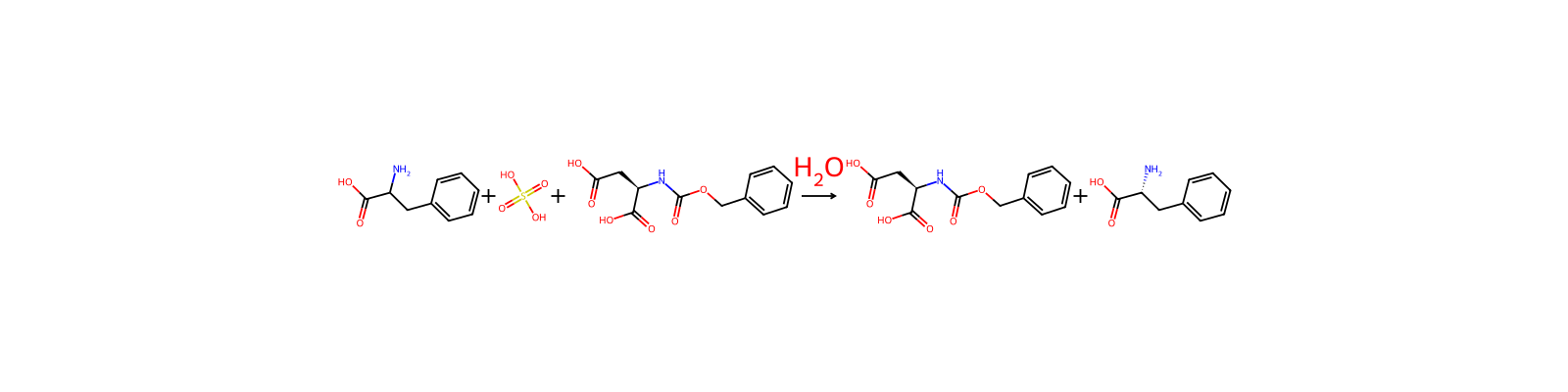
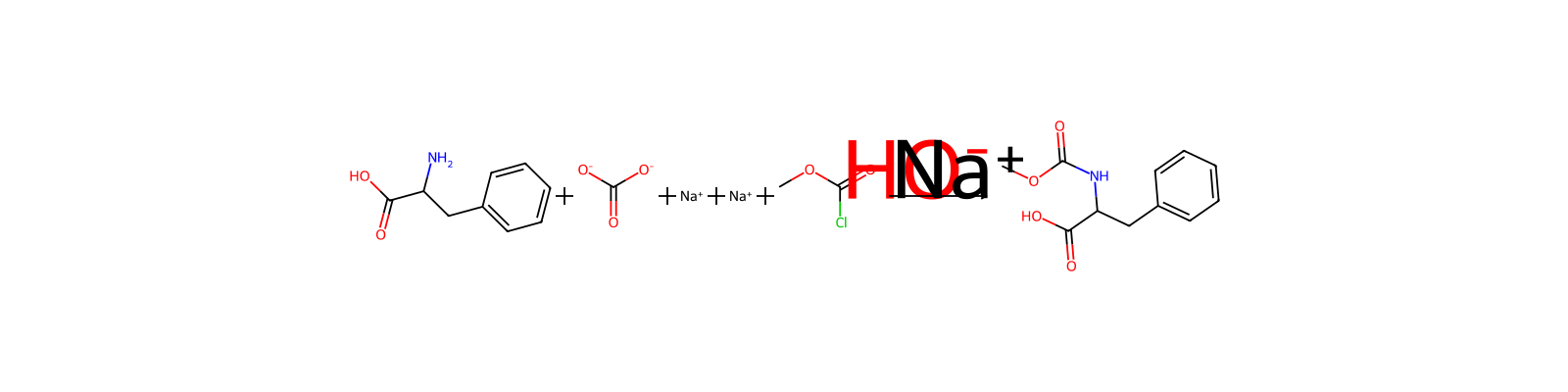
140 records


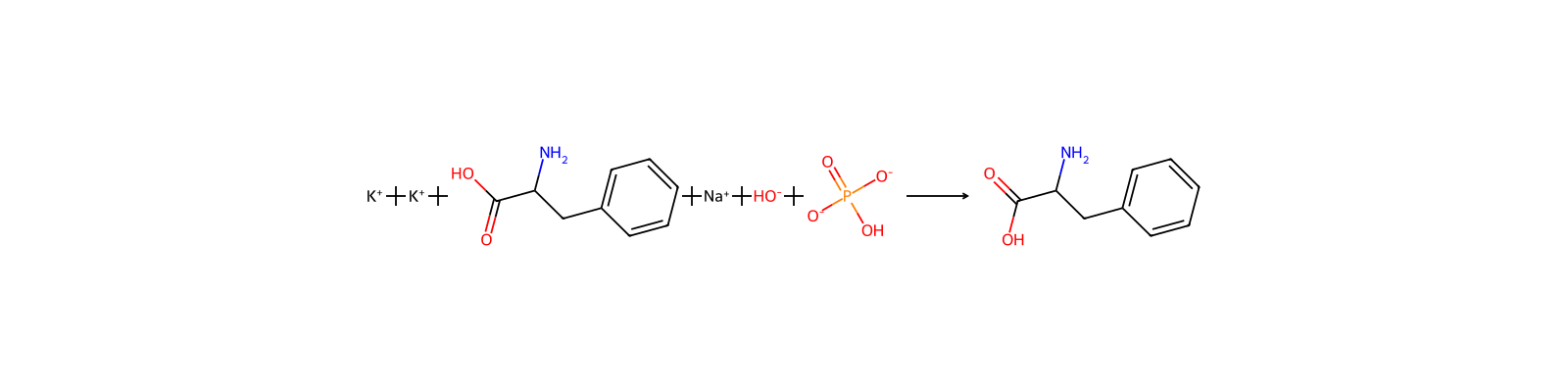
Compound notes
Loading…