

Basic information
- Standard SMILES
O=C(O)Cc1ccccc1- InChIKey
WLJVXDMOQOGPHL-UHFFFAOYSA-N- Molecular formula
- C8H8O2
- Average molar mass
- 136.15 g/mol
- Monoisotopic mass
- 136.0524295
Overview
Phenylacetic acid is a monocarboxylic acid that is toluene in which one of the hydrogens of the methyl group has been replaced by a carboxy group. It has a role as an auxin, a toxin, a plant growth retardant, an allergen, a Saccharomyces cerevisiae metabolite, a plant metabolite, an Aspergillus metabolite, an Escherichia coli metabolite, a human metabolite and an EC 6.4.1.1 (pyruvate carboxylase) inhibitor. It is a member of benzenes, a monocarboxylic acid and a member of phenylacetic acids. It is functionally related to an acetic acid. It is a conjugate acid of a phenylacetate.
Names & identifiers
- Preferred name
- Phenylacetic Acid
- IUPAC
- 2-phenylacetic acid
- English name
- PHENYLACETIC ACID, [1-14C]
- Molecular formula
- C8H8O2
- Molecular weight
- 138.17
Names & synonyms
PHENYLACETIC ACID2-Phenylacetic acidBenzeneacetic acid103-82-2Phenylethanoic acidalpha-Toluic acidAcetic acid, phenyl-Benzenacetic acidPhenyllacetic acidomega-Phenylacetic acidBenzylcarboxylic acidBenzylformic acid
Show more names
PHENYLACETIC ACID, [1-14C]PHENYLACETIC ACID-CARBOXY-14C
Kyselina fenyloctovaFEMA No. 2878DTXSID2021656ER5I1W795ACHEBI:30745NSC-125718DTXCID201656RefChem:6125
Database identifiers
- CAS
103-82-2、17303-65-0、51146-16-8- PubChem CID
- 999
- DTXSID
DTXSID2021656- ChEMBL
CHEMBL1044- ChEBI
CHEBI:30745- UNII
- ER5I1W795A
- EC Number
- 203-148-6
- Nikkaji
- J10.117F
Properties
Computed structural properties
- XLogP
- 1.4
- Topological polar surface area
- 37.3 Ų
- Hydrogen bond donors
- 1
- Hydrogen bond acceptors
- 2
- Rotatable bonds
- 2
- Heavy atoms
- 10
- Formal charge
- 0
- Complexity
- 114
Experimental & physicochemical properties
Chemical ClassesOther Classes -> Organic Acids
Drugs
Pharmaceuticals -> Listed in ZINC15
Pharmaceuticals -> Synthetic Cannabinoids or Psychoactive Compounds
pHAqueous solutions of phenyl acetic acid are weakly acidic.
SpringerMaterials Properties13C nuclear magnetic resonance spectrum
FragrancesFragrance Ingredient (Phenylacetic acid) -> IFRA transparency List
LogP
log Kow = 1.41
1.41
1.41
1.41
Odor
Floral odor
Disagreeable odor of geranium
Has a sweet honey-like odor when diluted; the odor of the concentrated solution is suffocating and unpleasant.
TasteSweet honey-like flavor at high levels; at low levels, it is a sweetner
Food Additives
FLAVORING AGENT OR ADJUVANT -> FDA Substance added to food
Food
Density
1.091 at 77 °C/4 °C
Density (at 77 °C): 1.09 g/cm³
Flavoring AgentsEU Flavoring substances
Color/Form
Leaflets on distillation in-vacuo; plates, tablets from petroleum ether
Shiny, white plate crystals
White to yellow crystals or flakes
Physicochemical properties
- Melting point
- 76.5 · 76.5-78.0 °C
- storage temp.
- 2 · 2-8°C
- form
- solid
- Concentration
- 0.1 mCi/ml · 0.1 mCi/ml
- Specific Activity
- 50 · 50-60 mCi/mmol
- Solvent
- Ethanol
- Hazard Codes
- Xi,R
- Risk Statements
- 36 · 36/37/38
- Safety Statements
- 26 · 26
- RIDADR
- 2910 · UN 2910 7
- WGK Germany
- 3 · 3
Safety & regulation
GHS classification
GHS Classification
This chemical does not meet GHS hazard criteria for < 0.1% (1 of 1864) of reports.
Danger
H318 (14.4%): Causes serious eye damage [Danger Serious eye damage/eye irritation]
P264+P265, P280, P305+P351+P338, P305+P354+P338, P317, and P337+P317 (click each P-code to see the statement)
Aggregated GHS information provided per 1864 reports by companies from 16 notifications to the ECHA C&L Inventory. Each notification may be associated with multiple companies.
Warning
Hazard information
Regulatory Information
Chemical: Benzeneacetic acid
List I Chemical: A chemical specified by regulation that, in addition to legitimate uses, is used in manufacturing a controlled substance in violation of the Act and is important to the manufacture of a controlled substance. (21 eCFR 1310.02)
Commission Regulation (EC) No 1565/2000 (Repealed by Com. Implementing Reg. (EU) No 872/2012)
Benzeneacetic acid is listed on the EPA's Chemical Data Reporting (CDR) system. Manufacturers and importers of Benzeneacetic acid are required to report information about their production and use of this chemical to the EPA under the Toxic Substances Control Act (TSCA). (40 eCFR Part 711)
Status: Active Update: 13-05-2020 https://echa.europa.eu/registration-dossier/-/registered-dossier/11895
Phenylacetic acid: Does not have an individual approval but may be used under an appropriate group standard
Other Safety InformationIMAP assessments - Benzeneacetic acid: Environment tier I assessment
Fire HazardsCombustible.
Fire PotentialCombustible liquid
Hazards SummaryAn eye and mild skin irritant; [ICSC] A reproductive effector and moderate eye irritant; [RTECS] Emergency medical treatment: irritants; [HSDB] Safe when used as a flavoring agent in food; [WHO JEFCA] An irritant; [MSDSonline]
FDA Requirements
Phenylacetic acid is a food additive permitted for direct addition to food for human consumption as a synthetic flavoring substance and adjuvant in accordance with the following conditions: a) they are used in the minimum quantity required to produce their intended effect, and otherwise in accordance with all the principles of good manufacturing practice, and 2) they consist of one or more of the following, used alone or in combination with flavoring substances and adjuvants generally recognized as safe in food, prior-sanctioned for such use, or regulated by an appropriate section in this part.
The following chemical has been specifically designated by the Administrator of the Drug Enforcement Administration as subject to the provisions of this part and parts 1309 and 1313 of this chapter. Phenylacetic acid, its esters and its salts are List 1 chemicals; DEA Code: 8791.
Chemical DangersDecomposes on burning. This produces irritating fumes. The solution in water is a weak acid. Reacts with strong bases, strong oxidants and strong reducing agents.
NFPA Hazard Classification
2 - Materials that, under emergency conditions, can cause temporary incapacitation or residual injury.
1 - Materials that must be preheated before ignition can occur. Materials require considerable preheating, under all ambient temperature conditions, before ignition and combustion can occur.
0 - Materials that in themselves are normally stable, even under fire conditions.
Hazard Classes and CategoriesEye Dam. 1 (14.4%)
Skin, Eye, and Respiratory IrritationsInhalation: cough, sore throat. Skin: redness. Eyes: redness, pain
Critical Temperature and PressureCritical temperature: 766 deg K, critical pressure: 3.9 MPa
Hazardous Reactivities and IncompatibilitiesIncompatible materials: Strong oxidizing agents, strong bases, strong reducing agents.
Safety & protection
Fire FightingUse water spray, powder, foam, carbon dioxide.
First Aid Measures
Fresh air, rest.
Rinse skin with plenty of water or shower.
First rinse with plenty of water for several minutes (remove contact lenses if easily possible), then refer for medical attention.
Rinse mouth. Give one or two glasses of water to drink.
Safe StorageSeparated from strong oxidants, strong bases and strong reducing agents. Store in an area without drain or sewer access.
Fire Fighting Procedures
Suitable extinguishing media: Use water spray, alcohol-resistant foam, dry chemical or carbon dioxide.
Advice for firefighters: Wear self-contained breathing apparatus for firefighting if necessary.
Powder, water spray, foam, carbon dioxide.
Storage Conditions
Keep container tightly closed in a dry and well-ventilated place.
/Store/ separated from strong oxidants, strong bases and strong reducing agents. Store in an area without drain or sewer access.
Cleanup Methods
ACCIDENTAL RELEASE MEASURES: Personal precautions, protective equipment and emergency procedures. Use personal protective equipment. Avoid dust formation. Avoid breathing vapors, mist or gas. Ensure adequate ventilation. Avoid breathing dust. Environmental precautions: Do not let product enter drains. Methods and materials for containment and cleaning up: Pick up and arrange disposal without creating dust. Sweep up and shovel. Keep in suitable, closed containers for disposal.
Do NOT let this chemical enter the environment. Sweep spilled substance into containers.
Disposal Methods
SRP: Recycle any unused portion of the material for its approved use or return it to the manufacturer or supplier. Ultimate disposal of the chemical must consider: the material's impact on air quality; potential migration in air, soil or water; effects on animal, aquatic and plant life; and conformance with environmental and public health regulations. If it is possible or reasonable use an alternative chemical product with less inherent propensity for occupational harm/injury/toxicity or environmental contamination.
Product: Offer surplus and non-recyclable solutions to a licensed disposal company. Contact a licensed professional waste disposal service to dispose of this material. Contaminated packaging: Dispose of as unused product.
Spillage DisposalPersonal protection: filter respirator for organic gases and particulates adapted to the airborne concentration of the substance. Do NOT let this chemical enter the environment. Sweep spilled substance into covered containers.
Preventive Measures
ACCIDENTAL RELEASE MEASURES: Personal precautions, protective equipment and emergency procedures. Use personal protective equipment. Avoid dust formation. Avoid breathing vapors, mist or gas. Ensure adequate ventilation. Avoid breathing dust. Environmental precautions: Do not let product enter drains.
Precautions for safe handling: Avoid contact with skin and eyes. Avoid formation of dust and aerosols. Further processing of solid materials may result in the formation of combustible dusts. The potential for combustible dust formation should be taken into consideration before additional processing occurs. Provide appropriate exhaust ventilation at places where dust is formed.
Appropriate engineering controls: Handle in accordance with good industrial hygiene and safety practice. Wash hands before breaks and at the end of workday.
Gloves must be inspected prior to use. Use proper glove removal technique (without touching glove's outer surface) to avoid skin contact with this product. Dispose of contaminated gloves after use in accordance with applicable laws and good laboratory practices. Wash and dry hands.
For more Preventive Measures (Complete) data for Phenylacetic acid (6 total), please visit the HSDB record page.
Eye PreventionWear safety goggles.
Fire PreventionNO open flames.
Inhalation RiskA harmful contamination of the air will not or will only very slowly be reached on evaporation of this substance at 20 °C.
Toxicology
Body Burden
Phenylacetic acid was present in 47.3% of the 54 samples of normal human expired air from an average concentration of 0.161 ng/L(1). Phenylacetic acid is detected in human faecal samples(2). Phenylacetic acid occurs as a protein-bound uremic compound in humans(3).
TreatmentKidney dialysis is usually needed to relieve the symptoms of uremic syndrome until normal kidney function can be restored.
Health EffectsChronic exposure to uremic toxins can lead to a number of conditions including renal damage, chronic kidney disease and cardiovascular disease.
Ecotoxicity Values
EC50; Species: Xenopus laevis (African clawed frog) embryo; Conditions: freshwater, renewal, pH 7.0-7.8; Concentration: 801900 ug/L for 96 hr (95% confidence interval: 761000-845000 ug/L); Effect: developmental changes (craniofacial defects, abnormal gut coiling) /> or = 98% purity/
LC50; Species: Xenopus laevis (African clawed frog) embryo; Conditions: freshwater, renewal, pH 7.0-7.8; Concentration: 1273700 ug/L for 96 hr (95% confidence interval: 1252000-1296000 ug/L) /> or = 98% purity/
EC50; Species: Daphnia magna (Water flea); Conditions: freshwater, static, pH 8; Concentration: 11 mg/L for 24 hr; Effect: behavior, equilibrium
Environmental Fate
TERRESTRIAL FATE: Based on a classification scheme(1), Koc values of 31, 26, and 28 from Podzol soil, Alfisol soil, and lake sediment, respectively(2) indicate that phenylacetic acid is expected to have very high mobility in soil(SRC). The pKa of phenylacetic acid is 4.31(3), indicating that this compound will exist almost entirely in the anion form in the environment and anions generally do not adsorb more strongly to soils containing organic carbon and clay than their neutral counterparts(4). Volatilization from moist soil is not expected because the compound exists as an anion and anions do not volatilize. Phenylacetic acid is not expected to volatilize from dry soil surfaces(SRC) based upon its vapor pressure of 0.0038 mm Hg at 25 °C(5). Utilizing an unadapted soil suspension, biodegradation of 90% in 3 days was reported(6), indicating that biodegradation may be an important environmental fate process in soil(SRC).
AQUATIC FATE: Based on a classification scheme(1), Koc values of 31, 26 and 28, determined from Podzol soil, Alfisol soil, and lake sediment, respectively(2) indicate that phenylacetic acid is not expected to adsorb to suspended solids and sediment(SRC). A pKa of 4.31(3) indicates phenylacetic acid will exist almost entirely in the anion form at pH values of 5 to 9(4) and, therefore, volatilization from water surfaces is not expected to be an important fate process. According to a classification scheme(5), an estimated BCF of 3(SRC), from a log Kow of 1.41(6) and a regression-derived equation(7), suggests the potential for bioconcentration in aquatic organisms is low(SRC). Utilizing an unadapted soil suspension, biodegradation of 90% in 3 days was reported(8), suggesting that biodegradation may be an important environmental fate process in water(SRC). Under anaerobic conditions, phenylacetic acid biodegraded >90% in 60 days using municipal sewage waste water(9). Hydrolysis is not expected to be an important environmental fate process since this compound lacks functional groups that hydrolyze under environmental conditions(4).
ATMOSPHERIC FATE: According to a model of gas/particle partitioning of semivolatile organic compounds in the atmosphere(1), phenylacetic acid, which has a vapor pressure of 3.8X10⁻³ mm Hg at 25 °C(2), is expected to exist solely as a vapor in the ambient atmosphere. Vapor-phase phenylacetic acid is degraded in the atmosphere by reaction with photochemically-produced hydroxyl radicals(SRC); the half-life for this reaction in air is estimated to be 3.6 days(SRC), calculated from its rate constant of 4.5X10⁻¹² cu cm/molecule-sec at 25 °C(SRC) that was derived using a structure estimation method(3). Phenylacetic acid does not absorb at wavelengths >290 nm(4) and, therefore, is not expected to be susceptible to direct photolysis by sunlight(SRC).
Food Survey Values
Phenylacetic acid was found as a volatile component in yellow box honey at 0.2 mg/kg and blue gum honey at 0.1 mg/kg(1). Phenylacetic acid was identified as a flavor compound in pine sprout tea and pine needle tea(2). Phenylacetic acid was detected in the volatiles of Rambutan fruit and in the juice at a concentration of 131.67 ug/L(3). Phenylacetic acid is reported to occur in guava, papaya, raspberry, strawberry, cooked potatoes, tomato, pepper, passion fruit, starfruit, mango, mushroom, rye bread, cheddar cheese, Swiss cheese, boiled mutton, beer, cognac, cider, sherry, grape wines, white wine, sake, cocoa, tea, honey soy protein, malt, and roasted chicory root(4). Reported food uses of phenylacetic acid include alcoholic beverages, baked goods, frozen dairy, gelatins, puddings and hard candy(4).
Exposure RoutesEndogenous, Ingestion, Dermal (contact)
Toxicity Summary
IDENTIFICATION AND USE: Phenylacetic acid forms white to yellow crystals or flakes. It is used in perfume, as a precursor in manufacture of penicillin G, fungicide, flavoring, and laboratory reagent. It is also used in production of drugs of abuse. HUMAN STUDIES: Inhalation exposure leads to cough, sore throat. Skin exposure leads to redness. Eyes exposure leads to redness, pain. ANIMAL STUDIES: Acute oral toxicity in rats is low. In study of acute effects in mice, ip injection of 300 mg/kg was toxic. Phenylacetic acid did not promote tumor formation when given to rabbits iv and sc for 40 days. In vitro phenylacetic acid induced dose-related embryotoxicity above 0.3 mg/mL. In teratogenic study with rats, administration of 3.2 mg/kg phenylacetic acid on 12th day of embryogenesis affected body weight, retarded skeletal ossification, and caused embryos to be resorbed at twice rate of controls. Phenylacetic acid inhibits activity of coenzyme A.
Uremic toxins such as phenylacetic acid are actively transported into the kidneys via organic ion transporters (especially OAT3). Increased levels of uremic toxins can stimulate the production of reactive oxygen species. This seems to be mediated by the direct binding or inhibition by uremic toxins of the enzyme NADPH oxidase (especially NOX4 which is abundant in the kidneys and heart) (A7868). Reactive oxygen species can induce several different DNA methyltransferases (DNMTs) which are involved in the silencing of a protein known as KLOTHO. KLOTHO has been identified as having important roles in anti-aging, mineral metabolism, and vitamin D metabolism. A number of studies have indicated that KLOTHO mRNA and protein levels are reduced during acute or chronic kidney diseases in response to high local levels of reactive oxygen species (A7869)
Average Daily IntakeThe average Individual (food) intake of phenylacetic acid has been reported as 0.001002 mg/kg/day(1).
Ecotoxicity Excerpts
/OTHER TOXICITY INFORMATION/ In Pseudomonas aeruginosa, quorum sensing (QS) autoinducer known as acyl homoserine lactone (AHL) acts as a key regulator in the expression of pathogenic characters. In this work, the efficiency of phenylacetic acid (PAA) in reducing the production of AHL-dependent factors in P. aeruginosa PAO1 was studied. PAA at a concentration of 200 ug/mL displayed significant reduction in QS-dependent pyocyanin, exopolysaccharide, and protease and elastase production in PAO1. In swimming inhibition assay, PAA-treated PAO1 cells exhibited poor motility in swimming agar plate. In in vivo analysis, PAO1-preinfected Caenorhabditis elegans showed enhanced survival when treated with PAA. PAA at the QS inhibitory concentration showed no growth inhibitory activity on PAO1. Results of the present study revealed the potential of PAA as antipathogenic compound to prevent QS-dependent pathogenicity of P. aeruginosa.
Plant Concentrations
Phenylacetic acid is reported to be a constituent in a few essential oils, tobacco, Bulgarian rose, and orange flowers. It is reportedly found in cocoa volatiles, guava, papaya, raspberry, strawberry, tomato, peppermint oil, pepper, passion fruit, starfruit, mango, and mushroom(1).
Phenylacetic acid occurrence in plants(1).[Table#5010]
Animal ConcentrationsAnts from fungus farming colonies secrete and synthesize phenylacetic acid(1).
Regulatory information
FDA Requirements
Phenylacetic acid is a food additive permitted for direct addition to food for human consumption as a synthetic flavoring substance and adjuvant in accordance with the following conditions: a) they are used in the minimum quantity required to produce their intended effect, and otherwise in accordance with all the principles of good manufacturing practice, and 2) they consist of one or more of the following, used alone or in combination with flavoring substances and adjuvants generally recognized as safe in food, prior-sanctioned for such use, or regulated by an appropriate section in this part.
The following chemical has been specifically designated by the Administrator of the Drug Enforcement Administration as subject to the provisions of this part and parts 1309 and 1313 of this chapter. Phenylacetic acid, its esters and its salts are List 1 chemicals; DEA Code: 8791.
Safety data
- wgk
- 3
- ridadr
- UN 2910 7
- risk_code
- 36/37/38
- hazard_code
- Xi,R
- safety_code
- 26
Chemistry & industry
Pharmacology
Metabolism/Metabolites
Phenylacetate esterases found in the human liver cytosol. Human plasma esterase also hydrolyze phenylacetate. Phenylacetate hydrolysis involved arylesterase in plasma, both arylesterase and carboxylesterase in liver microsomes and carboxylesterase in liver cytosol. Plasma hydrolysis is less important and overall esterase activity is lower in humans than in the rat.
Although there has been increasing interest in the use of high protein diets, little is known about dietary protein related changes in the mammalian metabolome. We investigated the influence of protein intake on selected tryptophan and phenolic compounds, derived from both endogenous and colonic microbial metabolism. Furthermore, potential inter-species metabolic differences were studied. For this purpose, 29 healthy subjects were allocated to a high (n = 14) or low protein diet (n = 15) for 2 weeks. In addition, 20 wild-type FVB mice were randomized to a high protein or control diet for 21 days. Plasma and urine samples were analyzed with liquid chromatography-mass spectrometry for measurement of tryptophan and phenolic metabolites. In human subjects, we observed significant changes in plasma level and urinary excretion of indoxyl sulfate (P 0.004 and P 0.001), and in urinary excretion of indoxyl glucuronide (P 0.01), kynurenic acid (P 0.006) and quinolinic acid (P 0.02). In mice, significant differences were noted in plasma tryptophan (P 0.03), indole-3-acetic acid (P 0.02), p-cresyl glucuronide (P 0.03), phenyl sulfate (P 0.004) and phenylacetic acid (P 0.01). Thus, dietary protein intake affects plasma levels and generation of various mammalian metabolites, suggesting an influence on both endogenous and colonic microbial metabolism. Metabolite changes are dissimilar between human subjects and mice, pointing to inter-species metabolic differences with respect to protein intake.
Burkholderia heleia PAK1-2 is a potent biocontrol agent isolated from rice rhizosphere, as it prevents bacterial rice seedling blight disease caused by Burkholderia plantarii. Here, we isolated a non-antibacterial metabolite from the culture fluid of B. heleia PAK1-2 that was able to suppress B. plantarii virulence and subsequently identified as indole-3-acetic acid (IAA). IAA suppressed the production of tropolone in B. plantarii in a dose-dependent manner without any antibacterial and quorum quenching activity, suggesting that IAA inhibited steps of tropolone biosynthesis. Consistent with this, supplementing cultures of B. plantarii with either L-[ring-(2)H5]phenylalanine or [ring-(2)H2~5]phenylacetic acid revealed that phenylacetic acid (PAA), which is the dominant metabolite during the early growth stage, is a direct precursor of tropolone. Exposure of B. plantarii to IAA suppressed production of both PAA and tropolone. These data particularly showed that IAA produced by B. heleia PAK1-2 disrupts tropolone production during bioconversion of PAA to tropolone via the ring-rearrangement on the phenyl group of the precursor to attenuate the virulence of B. plantarii. B. heleia PAK1-2 is thus likely a microbial community coordinating bacterium in rhizosphere ecosystems, which never eliminates phytopathogens but only represses production of phytotoxins or bacteriocidal substances.
2-phenylethylamine is an endogenous constituent of the human brain and is implicated in cerebral transmission. This bioactive amine is also present in certain foodstuffs such as chocolate, cheese and wine and may cause undesirable side effects in susceptible individuals. Metabolism of 2-phenylethylamine to phenylacetaldehyde is catalyzed by monoamine oxidase B but the oxidation to its acid is usually ascribed to aldehyde dehydrogenase and the contribution of aldehyde oxidase and xanthine oxidase, if any, is ignored. The objective of this study was to elucidate the role of the molybdenum hydroxylases, aldehyde oxidase and xanthine oxidase, in the metabolism of phenylacetaldehyde derived from its parent biogenic amine. Treatments of 2-phenylethylamine with monoamine oxidase were carried out for the production of phenylacetaldehyde, as well as treatments of synthetic or enzymatic-generated phenylacetaldehyde with aldehyde oxidase, xanthine oxidase and aldehyde dehydrogenase. The results indicated that phenylacetaldehyde is metabolized mainly to phenylacetic acid with lower concentrations of 2-phenylethanol by all three oxidizing enzymes. Aldehyde dehydrogenase was the predominant enzyme involved in phenylacetaldehyde oxidation and thus it has a major role in 2-phenylethylamine metabolism with aldehyde oxidase playing a less prominent role. Xanthine oxidase does not contribute to the oxidation of phenylacetaldehyde due to low amounts being present in guinea pig. Thus aldehyde dehydrogenase is not the only enzyme oxidizing xenobiotic and endobiotic aldehydes and the role of aldehyde oxidase in such reactions should not be ignored.
Phenylacetic acid, the major metabolite of phenylethylamine, has been identified and quantitated in rat brain regions by capillary column high-resolution gas chromatography mass spectrometry. Its distribution is heterogeneous and correlates with that of phenylethylamine. The values obtained were (ng/g +/- SEM): whole brain, 31.2 +/- 2.7; caudate nucleus, 64.6 +/- 6.5; hypothalamus, 60.1 +/- 7.4; cerebellum, 31.3 +/- 2.9; brainstem, 33.1 +/- 3.3, and the "rest," 27.6 +/- 3.0.
For more Metabolism/Metabolites (Complete) data for Phenylacetic acid (9 total), please visit the HSDB record page.
FDA Pharmacological Classification
ER5I1W795A
PHENYLACETIC ACID
Mechanisms of Action [MoA] - Ammonium Ion Binding Activity
Established Pharmacologic Class [EPC] - Nitrogen Binding Agent
Phenylacetic acid is a Nitrogen Binding Agent. The mechanism of action of phenylacetic acid is as an Ammonium Ion Binding Activity.
MeSH Pharmacological ClassificationAntimetabolites that are useful in cancer chemotherapy.
Absorption, Distribution and Excretion
19.2 ± 3.3 L.
... Although exhaled volatile organic compound (VOC) patterns change in obstructive sleep apnea (OSA) patients, individual VOC profiles are not fully determined. The primary outcome was VOC characterizations; secondary outcomes included their relationships with sleep and clinical parameters in OSA patients. We prospectively examined 32 OSA patients with an apnea-hypopnea index (AHI) >/= 15 by full polysomnography, and 33 age- and sex-matched controls without obvious OSA symptoms. Nine severe OSA patients were examined before and after continuous positive airway pressure (CPAP) treatment. By applying a method which eliminates environmental VOC influences, exhaled VOCs were identified by gas chromatography (GC)-mass spectrometry, and their concentrations were determined by GC. Exhaled aromatic hydrocarbon concentrations (toluene, ethylbenzene, p-xylene, and phenylacetic acid) in the severe OSA groups (AHI >/= 30) and exhaled saturated hydrocarbon concentrations (hexane, heptane, octane, nonane, and decane) in the most severe OSA group (AHI >/= 60) were higher than those in the control group. Exhaled isoprene concentrations were increased in all OSA groups (AHI >/= 15); acetone concentration was increased in the most severe OSA group. Ethylbenzene, p-xylene, phenylacetic acid, and nonane concentrations were increased according to OSA severity, and correlated with AHI, arousal index, and duration of percutaneous oxygen saturation (SpO2) </= 90%. Multiple regression analyses revealed these 4 VOC levels were associated with the duration of SpO2 </= 90%. Isoprene and acetone decreased after CPAP treatment. OSA increased some toxic VOCs, and some correlated with OSA severity. CPAP treatment possibly ameliorates these productions.
The dose limiting toxicity and pharmacokinetics of phenylacetic acid (phenylacetate) were studied in 17 patients with advanced solid tumors who received single iv bolus doses followed by a 14 day continuous iv infusion of the drug in a phase I trial. Phenylacetic acid displayed nonlinear pharmacokinetics with evidence for induction of drug clearance. Ninety-nine percent of phenylacetic acid elimination was accounted for by conversion to phenylacetylglutamine which was excreted in the urine...
Phenylacetic acid... /is/ rapidly absorbed from human buccal tissues or membranes.
Man excreted 93%...as glutamine conjugate... . New world monkeys excreted conjugates of glutamine, glycine and taurine, while old world species excreted large proportion of free acid and only glutamine and taurine conjugates. Non-primate species excreted only glycine connjugate.
Distribution of conjugates in 24 hr urine samples showed marked species variation.
Metabolite PathwaysPhenylalanine metabolism
Uses & manufacturing
Uses
Naturally occurs in some essential oils, honeys, and teas; Used to make penicillin G, penicillin derivatives, and its esters; Also used as a fungicide, flavoring agent, lab reagent, and starting material for synthetic perfumes; [HSDB] A metabolite of phenylalanine and may cause some of the neurotoxic effects of maternal phenylketonuria; [REPROTOX]
Farming (Pesticides) [Category: Industry]
This is a DEA List 1 chemical substance.
List I chemical means a chemical specifically designated by the Administrator in section 1310.02(a) of this chapter that, in addition to legitimate uses, is used in manufacturing a controlled substance in violation of the Act and is important to the manufacture of a controlled substance.
Used in production of drugs of abuse.
Used in perfume, precursor in manufacture of penicillin G, fungicide, flavoring, laboratory reagent.
U.S. Imports
(1977) 3.24X10+7 GRAMS (PRINCPL CUSTMS DISTS)
(1979) 7.49X10+7 GRAMS (PRINCPL CUSTMS DISTS)
U.S. Production
2022: 31,000 lb
(1977) PROBABLY GREATER THAN 4.54X10+5 GRAMS
(1979) PROBABLY GREATER THAN 4.54X10+5 GRAMS
(1985) Not reported
Production volumes for non-confidential chemicals reported under the Inventory Update Rule. [Table#5011]
For more U.S. Production (Complete) data for Phenylacetic acid (6 total), please visit the HSDB record page.
Methods of Manufacturing
Made by refluxing benzyl cyanide with diluted sulfuric acid or hydrochloric acid.
From benzyl cyanide refluxed with dilute hydrochloric acid.
In the presence of suitable catalysts, benzyl chloride reacts with carbon monoxide to produce phenylacetic acid.
By the treatment of benzyl cyanide with dilute sulfuric acid and other processes.
A catalytic process for the synthesis of phenylacetic acid from benzyl chloride uses Ni(CO)4 as catalyst. The product is formed with a selectivity of 95% at 60 bar and 80 °C.
Formulations/PreparationsGrades: technical; FCC.
Use Classification
Fragrance Ingredients
Flavouring Agent -> FLAVOURING_AGENT -> JECFA Functional Classes
Flavoring Agents -> JECFA Flavorings Index
Flavouring Agent -> FLAVOURING_AGENT -> JECFA Functional Classes
Flavouring Agent -> FLAVOURING_AGENT -> JECFA Functional Classes
DEA Listed Chemicals
Phenylacetic acid, its esters, and its salts
A chemical specified by regulation that, in addition to legitimate uses, is used in manufacturing a controlled substance in violation of the Act and is important to the manufacture of a controlled substance. (21 eCFR 1310.02)
General Manufacturing InformationBenzeneacetic acid: ACTIVE
Additional notes
DefinitionChEBI: Phenylacetic acid is a monocarboxylic acid that is toluene in which one of the hydrogens of the methyl group has been replaced by a carboxy group. It has a role as a toxin, a human metabolite, an Escherichia coli metabolite, a plant metabolite, a Saccharomyces cerevisiae metabolite, an EC 6.4.1.1 (pyruvate carboxylase) inhibitor, an Aspergillus metabolite, a plant growth retardant, an allergen and an auxin. It is a monocarboxylic acid, a member of benzenes and a member of phenylacetic acids. It is functionally related to an acetic acid. It is a conjugate acid of a phenylacetate.
Related reactions
549 records




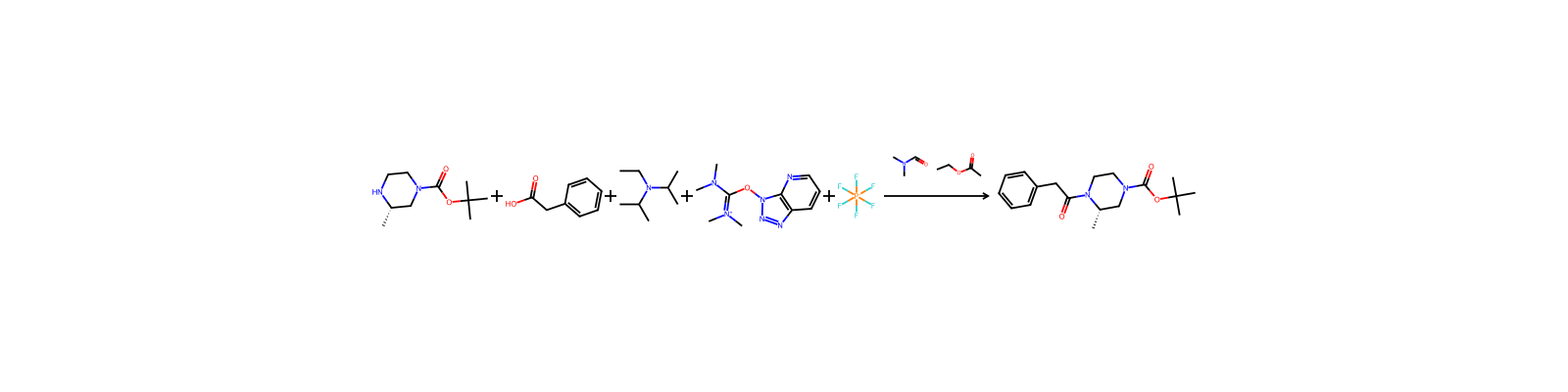
Linked notes
Loading…