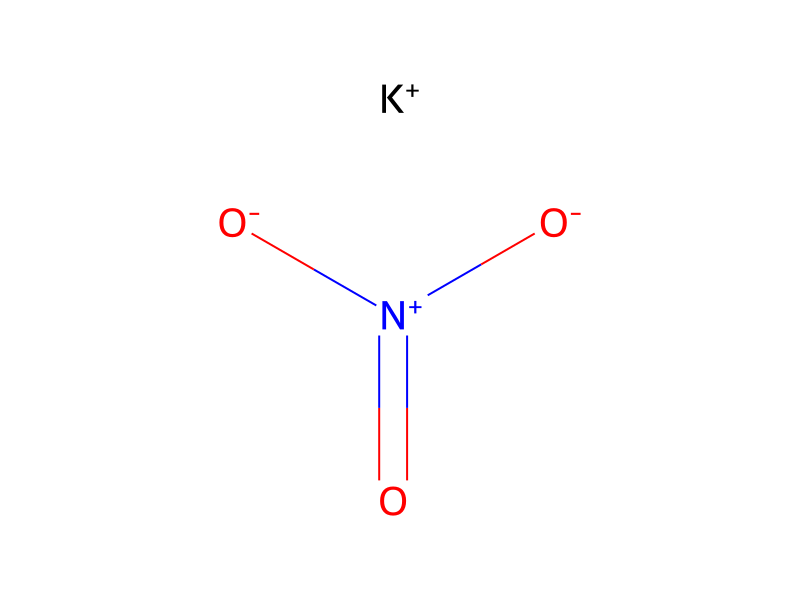
Potassium Nitrate → Methyl 4-[3-nitro-5,5,8,8-tetramethyl-5,6,7,8-tetrahydro-2-naphthylcarbonyl]benzoate
HRID 1016253
Reaction equation

[CH3:1][C:2]1([CH3:26])[CH2:11][CH2:10][C:9]([CH3:13])([CH3:12])[C:8]2[CH:7]=[C:6]([C:14]([C:16]3[CH:25]=[CH:24][C:19]([C:20]([O:22][CH3:23])=[O:21])=[CH:18][CH:17]=3)=[O:15])[CH:5]=[CH:4][C:3]1=2.[N+:27]([O-])([O-:29])=[O:28].[K+]>OS(O)(=O)=O>[N+:27]([C:5]1[C:6]([C:14]([C:16]2[CH:17]=[CH:18][C:19]([C:20]([O:22][CH3:23])=[O:21])=[CH:24][CH:25]=2)=[O:15])=[CH:7][C:8]2[C:9]([CH3:12])([CH3:13])[CH2:10][CH2:11][C:2]([CH3:26])([CH3:1])[C:3]=2[CH:4]=1)([O-:29])=[O:28]Participants
4



Procedure
Compound 43 (693 mg, 1.98 mmol) was dissolved in concentrated H2SO4 (5 ml) and the mixture was added with KNO3 (240 mg, 2.37 mmol) under ice cooling. After 1 hour, the reaction mixture was poured into ice water and extracted with dichloromethane. The organic phase was washed with saturated aqueous solution of sodium hydrogen carbonate, water and saturated brine, and then concentrated after dryness. The residue was recrystallized from ethyl acetate to give methyl 4-[3-nitro-5,5,8,8-tetramethyl-5,6,7,8-tetrahydro-2-naphthylcarbonyl]benzoate as colorless needles (Compound 44, 414 mg, 53%).