Ethanol → 2-Hydroxy-1-naphthylmethylidene aniline
HRID 1019433
Reaction equation

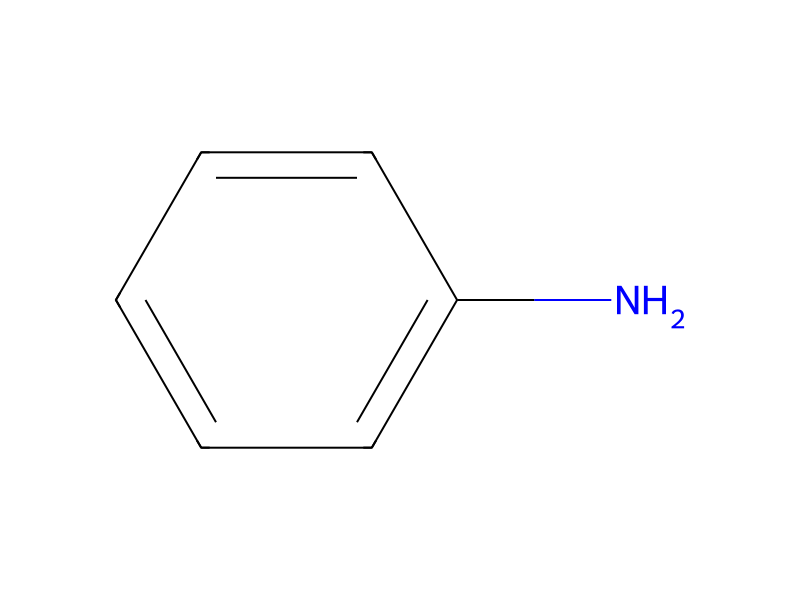
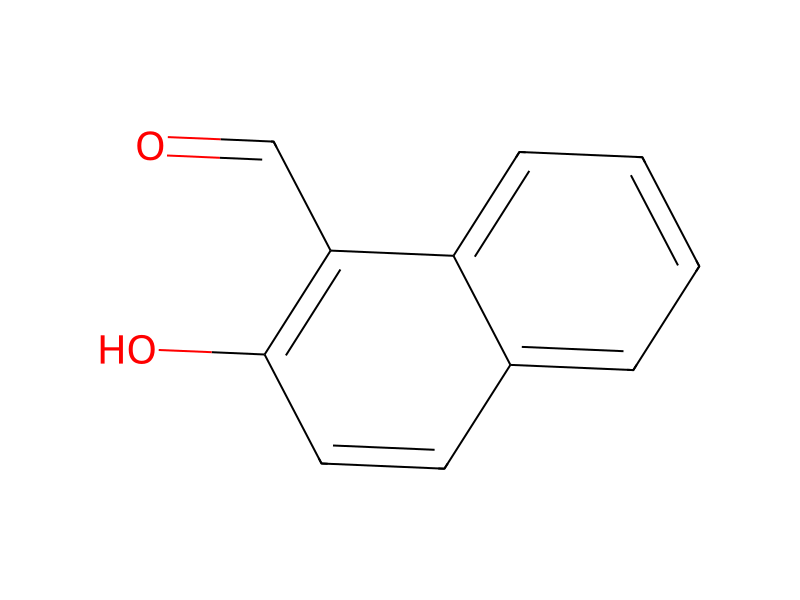
O[C:2]1[CH:11]=[CH:10][C:9]2[C:4](=[CH:5][CH:6]=[CH:7][CH:8]=2)[C:3]=1[CH:12]=O.[NH2:14][C:15]1[CH:20]=[CH:19][CH:18]=[CH:17][CH:16]=1.C([OH:23])C>>[OH:23][C:16]1[CH:17]=[CH:18][CH:19]=[CH:20][C:15]=1[N:14]=[CH:12][C:3]1[C:4]2[C:9](=[CH:8][CH:7]=[CH:6][CH:5]=2)[CH:10]=[CH:11][CH:2]=1Participants
4


Conditions
- Temperature
- 70 °C
Procedure
6.88 g (40.0 mmol) of 2-hydroxy-1-naphthaldehyde was dissolved in 10 ml ethanol under heating, and 3.72 g (40.00 mmol) of aniline was added. After stirring under reflux at 70° C. for 1 hour, completion of the reaction was confirmed by TLC. Upon being left at rest over night in the refrigerator, a crystal was formed, and the resulting precipitation was filtered by Kiriyama funnel. Drying under reduced pressure at 25° C. for 24 hours gave 2-hydroxy-1-naphthylmethylidene aniline (hereinafter, also referred to as “HNA”) as a yellow crystal (9.17 g, 93%).