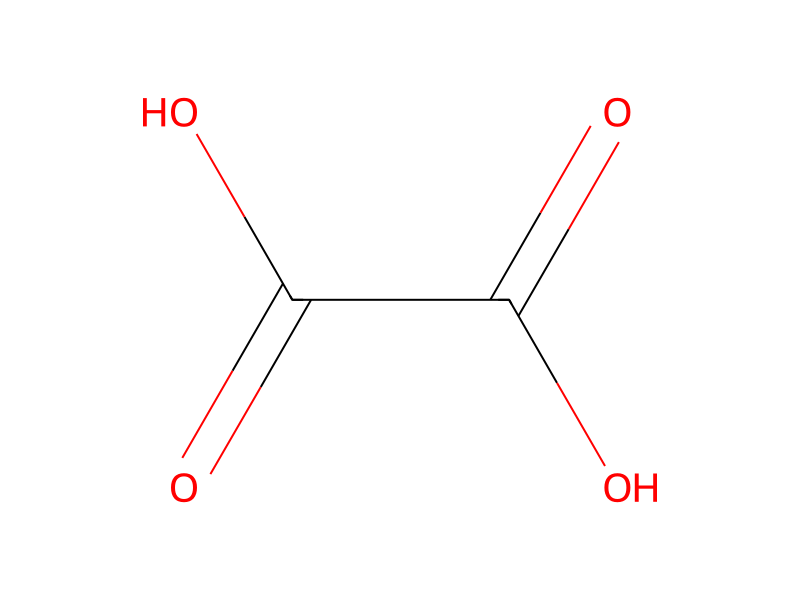
[NH2:1][C:2]1[CH2:6][CH2:5][N:4]([CH3:7])[CH:3]=1.[CH2:8]([N:15]1[C:19]2[CH:20]=[CH:21][CH:22]=[CH:23][C:18]=2[N:17]=[C:16]1Cl)[C:9]1[CH:14]=[CH:13][CH:12]=[CH:11][CH:10]=1.C(O)(=O)C(O)=O>C(O)C.CC(O)C>[CH3:7][N:4]1[CH2:5][CH2:6][CH:2]([NH:1][C:16]2[N:15]([CH2:8][C:9]3[CH:14]=[CH:13][CH:12]=[CH:11][CH:10]=3)[C:19]3[CH:20]=[CH:21][CH:22]=[CH:23][C:18]=3[N:17]=2)[CH2:3]1To 14 g (0.14 mol) of 3-amino-N-methyl pyrroline was added 10.4 g (0.042 mol) of N-benzyl-2-chlorobenzimidazole and the reaction mixture heated to 125° C. for 2 days. The reaction mixture was partitioned between 150 mL of 1N NaOH and 100 mL of CH2Cl2. The aqueous layer was extracted again with 100 mL of CH2Cl2. The combined organic layers were washed with 100 mL of 1N NaOH, dried over Na2SO4, filtered, and concentrated by rotary evaporation and subjected to high vacuum at 100° C. for ~30 min. For purification, the residue was treated with 2 moles of oxalic acid in ethanol/2-propanol to afford 15 g (73%) of white analytically pure crystals, mp 211°-213° C. dec.
Loading…