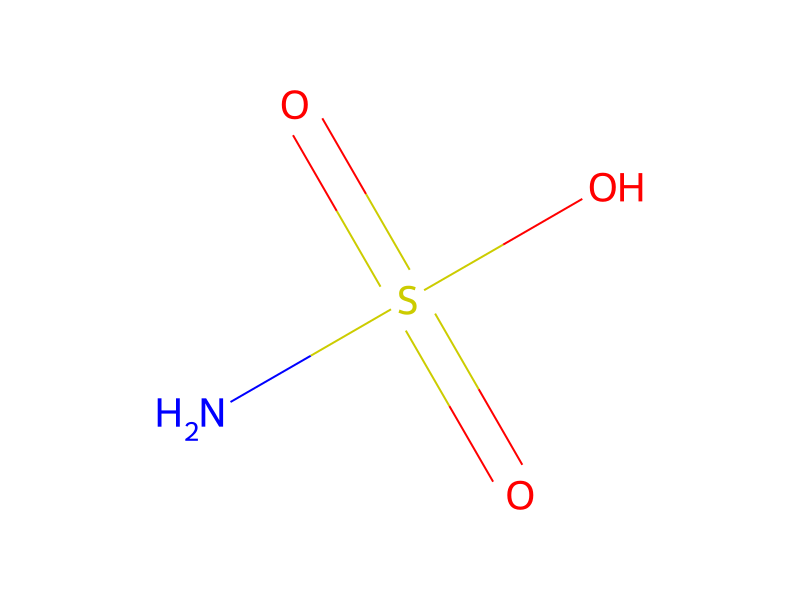
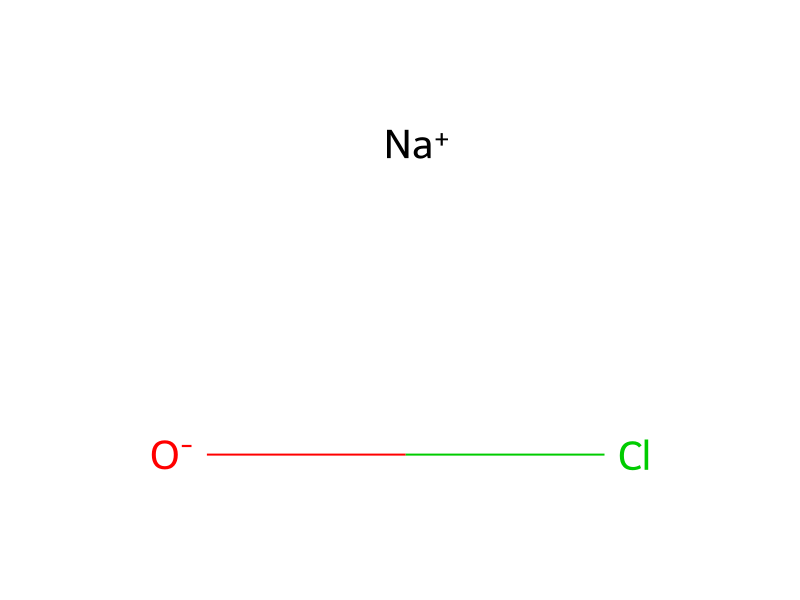
[CH3:1][O:2][C:3]1[CH:12]=[CH:11][C:10]2[C:5](=[CH:6][CH:7]=[C:8]([C:13]3[CH:18]=[CH:17][CH:16]=[C:15]([O:19][CH3:20])[CH:14]=3)[CH:9]=2)[C:4]=1[CH:21]=[O:22].NS(O)(=O)=[O:25].Cl[O-].[Na+]>O.CC(C)=O>[CH3:1][O:2][C:3]1[CH:12]=[CH:11][C:10]2[C:5](=[CH:6][CH:7]=[C:8]([C:13]3[CH:18]=[CH:17][CH:16]=[C:15]([O:19][CH3:20])[CH:14]=3)[CH:9]=2)[C:4]=1[C:21]([OH:25])=[O:22]200 mg of the compound 2-methoxy-6-(3-methoxyphenyl)-1-naphthaldehyde (0.68 mmol, 1 eq) is dissolved in a mixture of 8 ml of water and 17 ml of acetone. To the cooled reaction mixture, amidosulfonic acid (H2NSO3H) (1.51 mmol, 2.21 eq) and sodium hypochlorite (0.78 mmol, 1.14 eq) are added. After stirring for 30 min, the acetone is removed in vacuum on a rotary evaporator, and dichloromethane is added. The organic and aqueous phases are separated, and the organic phase is washed three times with saturated sodium chloride solution. After drying and concentrating the organic phase on a rotary evaporator, the desired product was obtained as a yellow solid in quantitative yield (209 mg).
Loading…