HomeMCPWorkbenchSkills
HomeWorkbenchNotificationsMe
llms.txt · MCP GuidePrivacy Policy · Terms of Service · Supportv1.8.3
  1. Home
  2. /Reaction

epsilon-CAPROLACTONE → N,N-Dimethylaniline

HRID 1057994
Print

Reaction equation

HRID 1057994 reaction equation
[CH:1](=[C:8]([C:12]#[N:13])C([O-])=O)[C:2]1[CH:7]=[CH:6][CH:5]=[CH:4][CH:3]=1.[CH:14]([C:16]1[CH:21]=[CH:20][CH:19]=[CH:18][C:17]=1C)=[CH2:15].[C:23]1(=O)[O:29][CH2:28][CH2:27][CH2:26][CH2:25][CH2:24]1.O=P12OP3(OP(OP(O3)(O1)=O)(=O)O2)=O.O[CH2:46]CO[C:49](=[O:52])[CH:50]=C>>[CH:14]([C:7]1[CH:6]=[CH:5][CH:4]=[CH:3][C:2]=1[CH:1]=[CH2:8])=[CH2:15].[NH2:13][C:19]1[CH:20]=[CH:21][C:16]([CH3:14])=[CH:17][CH:18]=1.[CH:28]([OH:29])([CH3:27])[CH3:46].[CH:49]([OH:52])([CH3:50])[CH3:23].[CH3:14][N:13]([CH3:12])[C:23]1[CH:28]=[CH:27][CH:26]=[CH:25][CH:24]=1
ParticipantsProcedureSources & evidenceReaction notes

Participants

8

Reactant 5

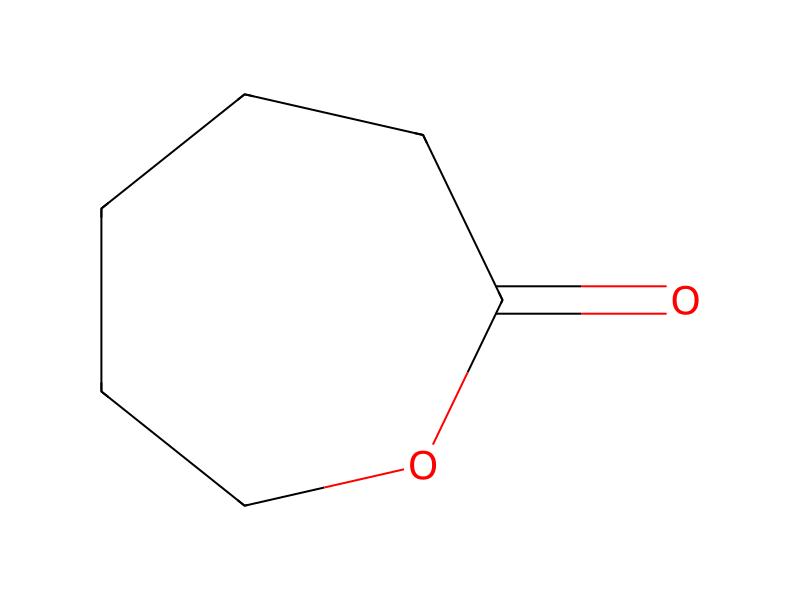
HCID 10401epsilon-CAPROLACTONEHCID 119042-MethylstyreneHCID 131652-Hydroxyethyl acrylateHCID 14812Phosphorus oxide (P4O10)HCID 5049266Benzylidenecyanoacetate2×

Product 3

HCID 949N,N-Dimethylaniline
HCID 66666
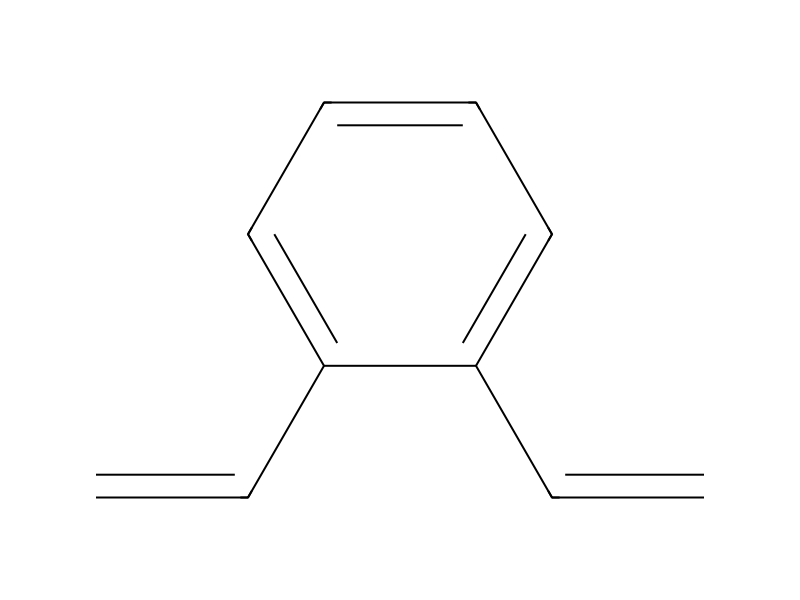
1,2-Diethenylbenzene
HCID 573580404-Methylaniline;bis(propan-2-ol)

Procedure

A benzylidenecyanoacetate-capped PLURACOL HP1250D was made as described in Example 1. An adhesive composition was made by mixing 39.25 weight percent of the benzylidenecyanoacetate-capped PLURACOL HP1250D, 39.25 weight percent vinyl toluene, 4.00 weight percent of the reaction product of caprolactone, phosphorus pentoxide and 2-hydroxyethylacrylate (commercially available from Nippon Kayaku Co. under the trade designation KAYAMER PM 21), 3.00 weight percent divinyl benzene, 1.40 weight percent diisopropanol-p-toluidine, 0.60 weight percent dimethyl aniline and 5.00 weight percent silica to form side A. 7.50 weight percent benzoyl peroxide initiator then was mixed with side A and immediately thereafter the resulting adhesive was applied to five steel coupons that were bonded together to form lap shear joints as per ASTM D-1002-94. The lap shear joints were allowed to fully cure overnight and then tested according to ASTM D-1002-94. The joints exhibited an average strength of 1241 psi and an adhesive failure mode (in other words, the adhesive failed before any destruction of the steel). Weight percents are based on the total amount of sides A and B.

Sources & evidence

ORD record
ord-f639e1a5f4194e04b5ea5f230312b484
Source dataset
uspto-grants-2003_02
DOI
10.6084/m9.figshare.5104873.v1
Patent number
US06515078B1

Reaction notes

On this pageParticipantsProcedureSources & evidenceReaction notes