HomeMCPWorkbenchSkills
HomeWorkbenchNotificationsMe
llms.txt · MCP GuidePrivacy Policy · Terms of Service · Supportv1.8.3
  1. Home
  2. /Reaction

3-Nitrophenylboronic Acid → Methyl 4-(3-nitrophenyl)benzoate

HRID 1069067
Print

Reaction equation

HRID 1069067 reaction equation
Br[C:2]1[CH:11]=[CH:10][C:5]([C:6]([O:8][CH3:9])=[O:7])=[CH:4][CH:3]=1.[N+:12]([C:15]1[CH:16]=[C:17](B(O)O)[CH:18]=[CH:19][CH:20]=1)([O-:14])=[O:13].C(=O)([O-])[O-].[Na+].[Na+]>O1CCOCC1.C1C=CC([P]([Pd]([P](C2C=CC=CC=2)(C2C=CC=CC=2)C2C=CC=CC=2)([P](C2C=CC=CC=2)(C2C=CC=CC=2)C2C=CC=CC=2)[P](C2C=CC=CC=2)(C2C=CC=CC=2)C2C=CC=CC=2)(C2C=CC=CC=2)C2C=CC=CC=2)=CC=1>[CH3:9][O:8][C:6]([C:5]1[CH:10]=[CH:11][C:2]([C:19]2[CH:18]=[CH:17][CH:16]=[C:15]([N+:12]([O-:14])=[O:13])[CH:20]=2)=[CH:3][CH:4]=1)=[O:7]
ParticipantsConditionsProcedureWorkupSources & evidenceReaction notes

Participants

6

Reactant 3

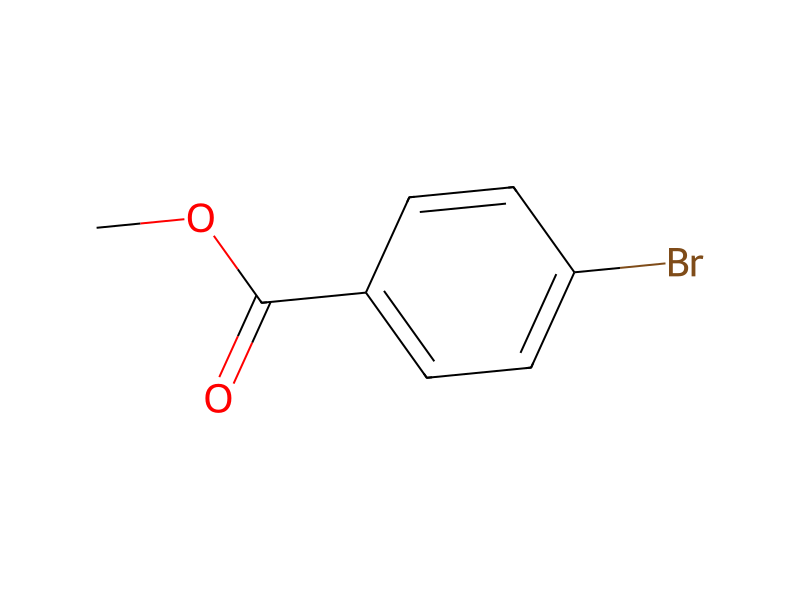
HCID 16773-Nitrophenylboronic AcidHCID 10340Sodium CarbonateHCID 12081Methyl 4-bromobenzoate

Product 1

HCID 2753361Methyl 4-(3-nitrophenyl)benzoateYield 16.6%

Reagents, catalysts & solvents 2

HCID 178418397HCID 178418397, compoundCatalyst
HCID 312751,4-DioxaneSolvent

Conditions

Temperature
85 °C

Procedure

To a stirred mixture of methyl 4-bromobenzoate (1.00 g) and 3-nitrophenylboronic acid (800 mg) in dioxane (20 mL) was added tetrakis(triphenylphosphine)palladium(0) (165 mg) and solid sodium carbonate (710 mg). The mixture was heated at 85° C. overnight, cooled to room temperature and partitioned between dichloromethane (100 mL) and 2 M aqueous sodium carbonate (50 mL) containing concentrated ammonium hydroxide (5 mL). The aqueous layer was further extracted twice with dichioromethane. The combined organic layers were washed with brine, dried over magnesium sulfate and concentrated under reduced pressure. The residue was absorbed onto silica and chromatographed on silica gel eluting with 6:94 ethyl acetate in hexane to provide the title compound (198 mg) as a white solid

Workup

  1. temperaturecooled to room temperature
  2. custompartitioned between dichloromethane (100 mL) and 2 M aqueous sodium carbonate (50 mL)
  3. additioncontaining concentrated ammonium hydroxide (5 mL)
  4. extractionThe aqueous layer was further extracted twice with dichioromethane
  5. washThe combined organic layers were washed with brine
  6. dry with materialdried over magnesium sulfate
  7. concentrationconcentrated under reduced pressure
  8. customThe residue was absorbed onto silica
  9. customchromatographed on silica gel eluting with 6:94 ethyl acetate in hexane

Sources & evidence

ORD record
ord-3ba3e1e81ef848ad9cbd1f5be172f2eb
Source dataset
uspto-grants-2001_06
DOI
10.6084/m9.figshare.5104873.v1
Patent number
US06251925B1

Reaction notes

On this pageParticipantsConditionsProcedureWorkupSources & evidenceReaction notes