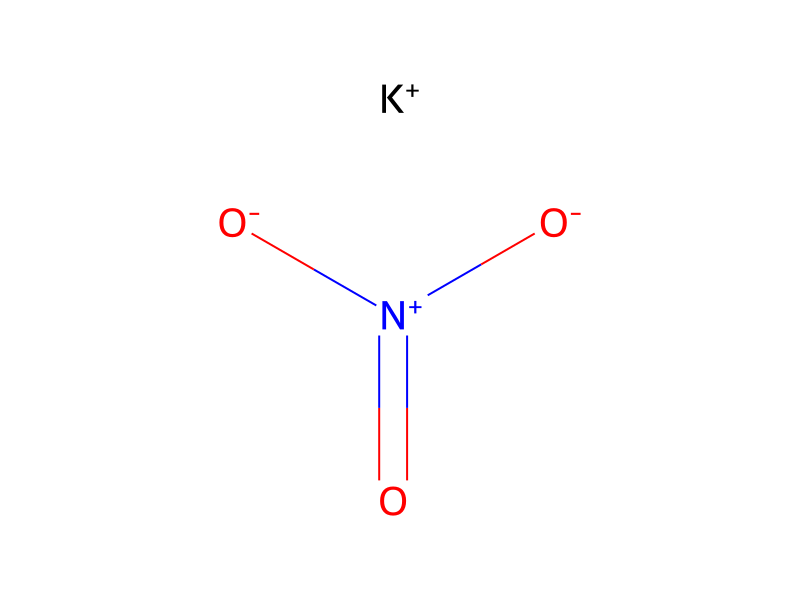
[O:1]1[C:10]2[C:5](=[CH:6][CH:7]=[CH:8][CH:9]=2)[C:4](=[O:11])[CH:3]=[C:2]1[C:12]([O:14][CH2:15][CH3:16])=[O:13].[N+:17]([O-])([O-:19])=[O:18].[K+].O1C2C=CC=CC=2C=CC1>S(=O)(=O)(O)O>[N+:17]([C:7]1[CH:6]=[C:5]2[C:10](=[CH:9][CH:8]=1)[O:1][C:2]([C:12]([O:14][CH2:15][CH3:16])=[O:13])=[CH:3][C:4]2=[O:11])([O-:19])=[O:18]To a solution of ethyl chromone-2-carboxylate (Example 16) in about 3 mL of sulfuric acid cooled to −10° C. is added about 1 mL potassium nitrate in sulfuric acid. The molar ratio of potassium nitrate to the benzopyran is slightly greater than 1:1. The reaction mixture is stirred at 0° C. for 1 h, the ice bath removed, and the reaction stirred at room temperature until the reaction is complete by HPLC (<3% benzopyran): about 4-6 h. The nitrated benzopyran precipitates as the reaction progresses. The reaction mixture is poured onto ice, and the precipitate is dissolved in ethyl acetate. The ethyl acetate layer is dried, filtered, and evaporated to afford ethyl 6-nitrochromone-2-carboxylate as a light yellow solid (about 90% yield).
Loading…