Reaction equation

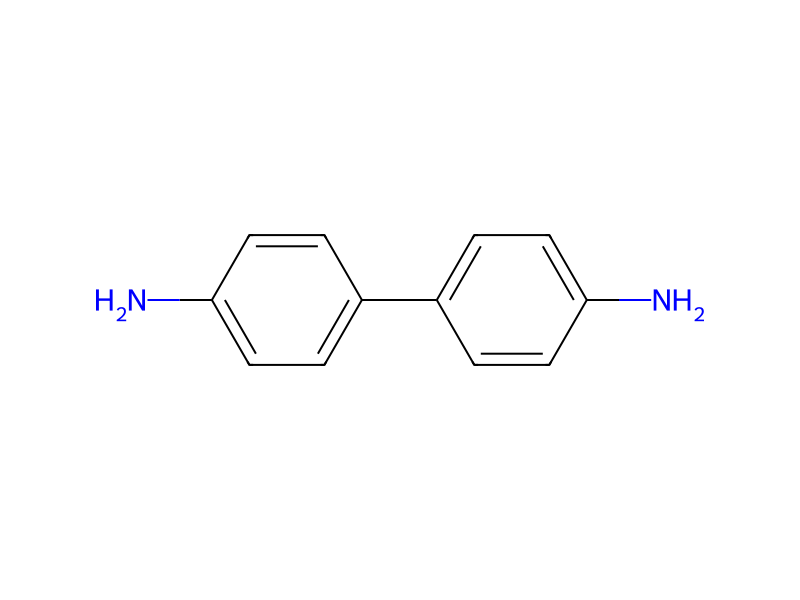
[N+:1]([C:4]1[CH:12]=[CH:11][CH:10]=[CH:9][C:5]=1C(O)=O)([O-])=O.[N+](C1C=C(C=CC=1)C(O)=O)([O-])=O.[N+:25]([C:28]1[CH:33]=[CH:32][CH:31]=[CH:30][CH:29]=1)([O-])=O.[OH-].[Na+].N(C1C=CC=CC=1)NC1C=CC=CC=1.S(=O)(=O)(O)O>[Zn]>[NH2:25][C:28]1[CH:33]=[CH:32][C:31]([C:10]2[CH:11]=[CH:12][C:4]([NH2:1])=[CH:5][CH:9]=2)=[CH:30][CH:29]=1Participants
8
Reactant 6


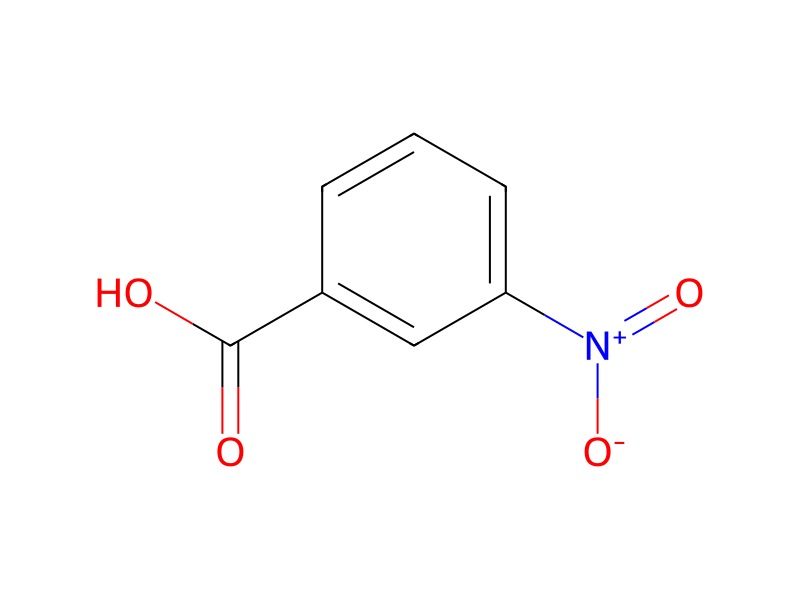



Product 1
Reagents, catalysts & solvents 1

Procedure
A 2-nitrobenzoic acid derivative (e.g. sodium 2-nitrobenzoate) or a 3-nitrobenzoic acid derivative (e.g. sodium 3-nitrobenzoate) and nitrobenzene are treated with zinc dust in the presence of an alkali (e.g. sodium hydroxide) and the resulting hydrazobenzene derivative is treated with sulfuric acid, to give the corresponding 4,4′-diaminobiphenyl derivative. This is diazotized using sodium nitrite under acidic conditions in the presence of hydrochloric acid, followed by reaction with sodium azide, to give the desired product.
Sources & evidence
- ORD record
- ord-584fb01b4f5e42328545d2572c0559c7
- Source dataset
- uspto-grants-2005_06
- Patent number
- US06908719B1
Linked notes
Loading…