Oxalic Acid → HCID 178526029, compound
Reaction equation

[O-2].[O-2].[O-2].[O-2].[O-2].[V+5:6].[V+5].[C:8]([OH:13])(=[O:12])[C:9]([OH:11])=[O:10]>[O-2].[O-2].[O-2].[K+].[Nb+5].O>[C:8]([O-:13])(=[O:12])[C:9]([O-:11])=[O:10].[V+5:6].[C:8]([O-:13])(=[O:12])[C:9]([O-:11])=[O:10].[C:8]([O-:13])(=[O:12])[C:9]([O-:11])=[O:10].[C:8]([O-:13])(=[O:12])[C:9]([O-:11])=[O:10].[C:8]([O-:13])(=[O:12])[C:9]([O-:11])=[O:10].[V+5:6]Participants
5
Reactant 2
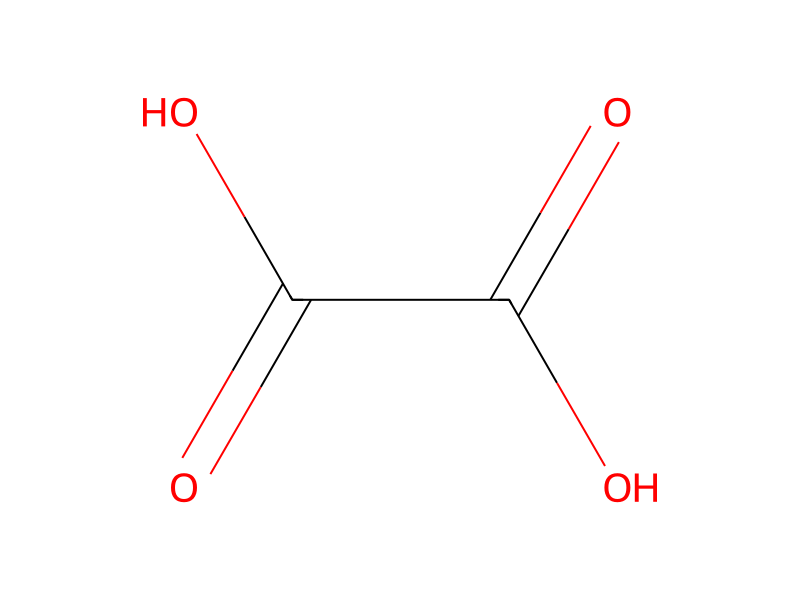

Product 1

Reagents, catalysts & solvents 2


Conditions
- Temperature
- 1300 °C
Procedure
Granulated alumina (8 - 16 mesh) is heated at 1300°C. for 4 hours. Potassium niobate (4K2O.3Nb2O5.16H2O) and vanadium pentoxide are suspended in 5 parts of water, heated to 80°C., and oxalic acid is added slowly to obtain a blue-colored vanadium oxalate solution. Sodium carbonate is added and the alumina is also placed in the solution. The mixture is dried over a water bath with agitation. While air is pumped in, it is indurated in a furnace at 400°C. for 16 hours to obtain the catalyst ready for use after cooling.
Workup
- temperatureheated to 80°C.
Sources & evidence
- ORD record
- ord-a044738a2e224cfe80529a948e354241
- Source dataset
- uspto-grants-1976_05
- Patent number
- US03959336
Reaction notes
Loading…