Dichloromethane → 2-Acetyl-7-cyanofluorene
HRID 1077303
Reaction equation

[C:1]([C:4]1[CH:16]=[CH:15][C:14]2[C:13]3[C:8](=[CH:9][C:10](Br)=[CH:11][CH:12]=3)[CH2:7][C:6]=2[CH:5]=1)(=[O:3])[CH3:2].ClCCl.[N:21]1C2C(=CC=CC=2)C=C[CH:22]=1>>[C:1]([C:4]1[CH:16]=[CH:15][C:14]2[C:13]3[C:8](=[CH:9][C:10]([C:22]#[N:21])=[CH:11][CH:12]=3)[CH2:7][C:6]=2[CH:5]=1)(=[O:3])[CH3:2]Participants
4



Procedure
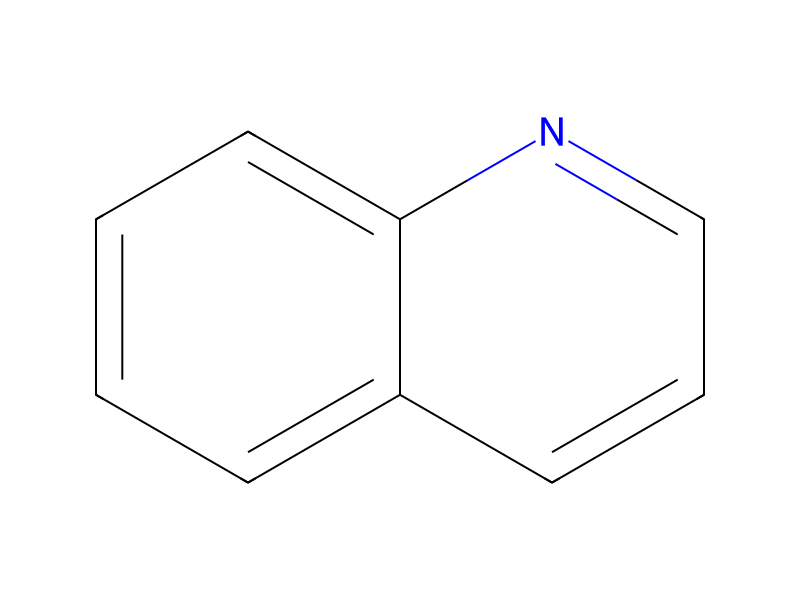
A mixture of 2-acetyl-7-bromofluorene (13.2 g.) and cuprous cyanide (8.2 g.) in quinoline (40 ml.) was heated to reflux for 40 minutes, cooled to 100° and poured into a mixture of ice-cold dilute aqueous ammonia and dichloromethane. The organic layer was separated, filered to remove a yellow solid, washed with N-hydrochloric acid, dried over sodium sulphate and evaporated. The residual solid was recrystallised from ethanol containing a small amount of dimethylformamide to give 2-acetyl-7-cyanofluorene m.p. 182°-186° .