Reaction equation

O[C@:2]12[CH2:19][CH2:18][C@@:16]3([CH3:17])[C@@H:12]([CH2:13][CH2:14][C:15]3=[O:20])[C@@H:11]1[CH2:10][CH2:9][C:8]1[C@:3]2([CH3:22])[CH2:4][CH2:5][C:6](=[O:21])[CH:7]=1>ClS(O)(=O)=O>[CH3:17][C@:16]12[CH2:18][CH:19]=[C:2]3[C@@H:11]([CH2:10][CH2:9][C:8]4[C@:3]3([CH3:22])[CH2:4][CH2:5][C:6](=[O:21])[CH:7]=4)[C@@H:12]1[CH2:13][CH2:14][C:15]2=[O:20]Participants
3
Reactant 1

Product 1

Reagents, catalysts & solvents 1
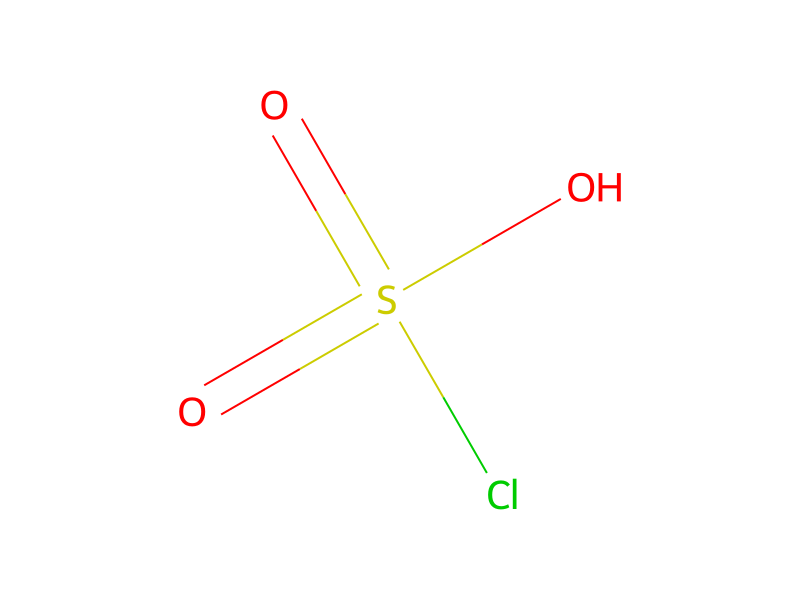
Procedure
Following the general procedure of Example 6 but making non-critical variations, 9α-hydroxyandrostenedione (20.00 g.) is reacted with chlorosulfonic acid (10 ml.) at a reaction temperature of 1°-11°. Upon workup the reaction gives androsta-4,9(11)-diene-3,17-dione, 17.94 g., (89.7% weight yield, 95.2% chemical yield); m.p. 202°-204.5°; [α]D +217° (chloroform); UV (methanol(λmax =240 nm (ε=16,300).
Sources & evidence
- ORD record
- ord-247ad239e60a4909a5c8054887087c74
- Source dataset
- uspto-grants-1990_10
- Patent number
- USRE033364
Linked notes
Loading…