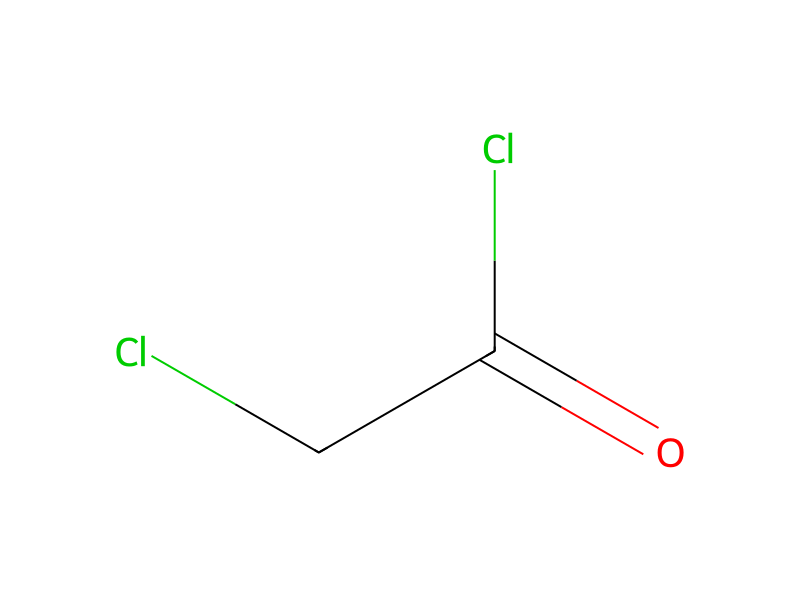
Chloroacetyl chloride → 11-Chloroacetyl-6-methyl-2-phenyl-5,6-dihydropyrimido[4,5-b][1,5]benzodiazepin-5-one
HRID 1106032
Reaction equation

[Cl:1][CH2:2][C:3](Cl)=[O:4].[CH3:6][N:7]1[C:13]2[CH:14]=[CH:15][CH:16]=[CH:17][C:12]=2[NH:11][C:10]2[N:18]=[C:19]([C:22]3[CH:27]=[CH:26][CH:25]=[CH:24][CH:23]=3)[N:20]=[CH:21][C:9]=2[C:8]1=[O:28]>C1(C)C=CC=CC=1>[Cl:1][CH2:2][C:3]([N:11]1[C:12]2[CH:17]=[CH:16][CH:15]=[CH:14][C:13]=2[N:7]([CH3:6])[C:8](=[O:28])[C:9]2[CH:21]=[N:20][C:19]([C:22]3[CH:27]=[CH:26][CH:25]=[CH:24][CH:23]=3)=[N:18][C:10]1=2)=[O:4]Participants
4



Procedure
1.6 ml (20 mmols) of chloroacetyl chloride are added dropwise at room temperature to a suspension of 3 g (10 mmols) of 6-methyl-2-phenyl-5,6-dihydropyrimido[4,5-b][1,5]benzodiazepin-5-one in 30 ml of absolute toluene, and the mixture is then heated under reflux for 3 hours. After cooling, the precipitate which has been deposited is filtered off, and the filtrate is evaporated. The residue is stirred thoroughly with diethyl ether; yield: 3.3 g (86%) with m.p. 189° to 190° C. (from 2-butanone).