Ethanol → 1-(4-Amino-2-chlorophenoxy)-2-bromoethane
Reaction equation

[Cl:1][C:2]1[CH:11]=[C:10]([N+:12]([O-])=O)[CH:9]=[CH:8][C:3]=1[O:4][CH2:5][CH2:6][Br:7].C(O)C.[O-]S(S([O-])=O)=O.[Na+].[Na+]>O>[NH2:12][C:10]1[CH:9]=[CH:8][C:3]([O:4][CH2:5][CH2:6][Br:7])=[C:2]([Cl:1])[CH:11]=1Participants
5
Reactant 3

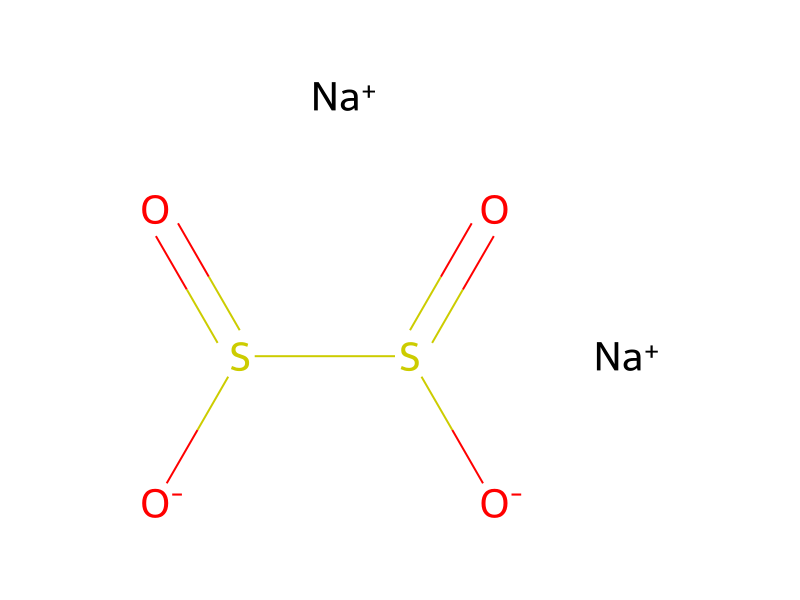

Product 1

Reagents, catalysts & solvents 1

Procedure
To 11 g (0.040 mol) of the 1-(2-chloro-4-nitrophenoxy)-2-bromoethane produced in Example 5-(1), ethanol (170 ml) was added and dissolved therein; to the resulting solution, Na2S2O4 (27.6 g, 0.158 mol) as dissolved in water (50 ml) was added dropwise, followed by stirring at room temperature for 20 min. The solvent was evaporated and the residue was diluted with an aqueous solution of sodium bicarbonate and two extractions were conducted with ethyl acetate. The organic extracts were dried with sodium sulfate and the solvent was evaporated, with the residue being purified by being subjected to column chromatography on silica gel using, as an eluent, n-hexane containing ethyl acetate (25%) to yield the end compound 1-(4-amino-2-chlorophenoxy)-2-bromoethane (2.35 g) as a pale yellow solid mass.