Reaction equation
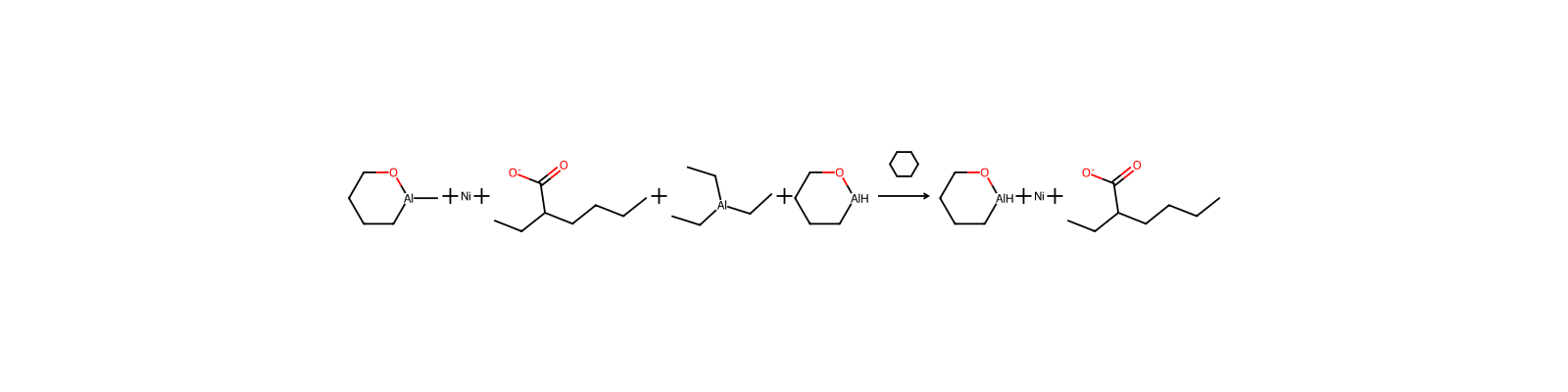
C[Al:2]1[CH2:7][CH2:6][CH2:5][CH2:4][O:3]1.[Ni:8].[CH2:9]([CH:11]([CH2:15][CH2:16][CH2:17][CH3:18])[C:12]([O-:14])=[O:13])[CH3:10].C([Al](CC)CC)C.[AlH]1CCCCO1>C1CCCCC1>[AlH:2]1[CH2:7][CH2:6][CH2:5][CH2:4][O:3]1.[Ni:8].[CH2:9]([CH:11]([CH2:15][CH2:16][CH2:17][CH3:18])[C:12]([O-:14])=[O:13])[CH3:10]Participants
Reactant 4

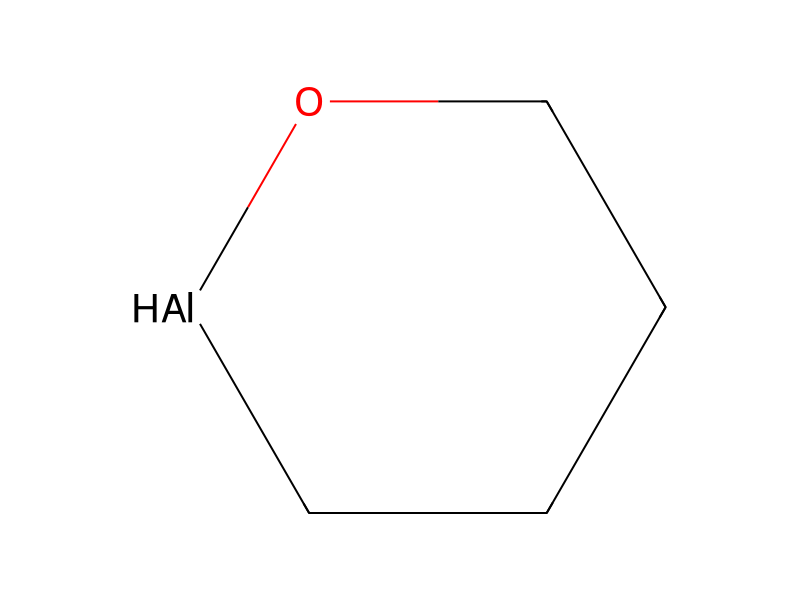
Product 1

Reagents, catalysts & solvents 1

Procedure
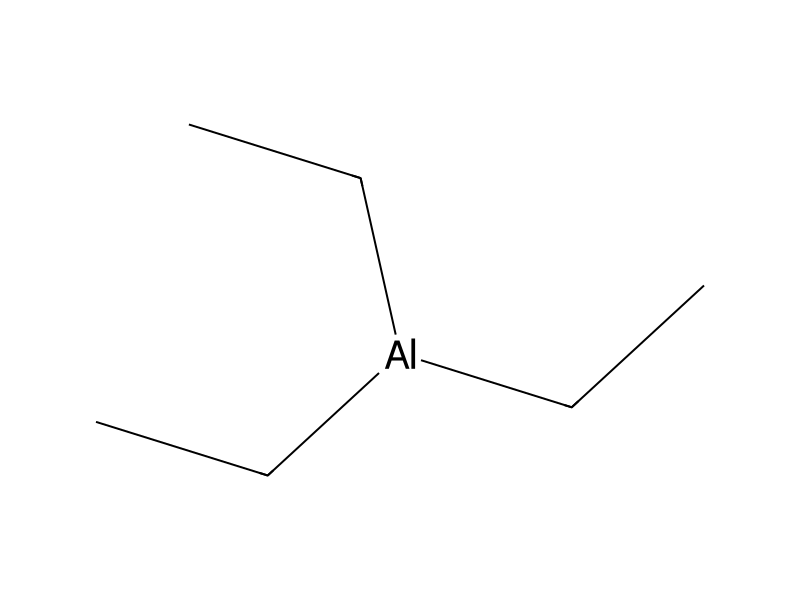
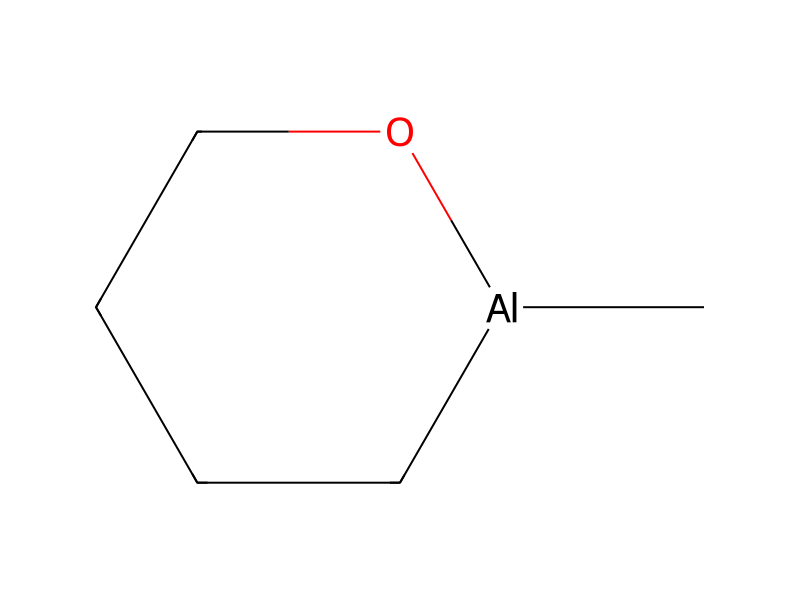
In this Example, a hydrogenation catalyst was prepared by first combining a methylalumoxane with nickel-2-ethylhexanoate in cyclohexane at a temperature of 25° C. and then adding triethyl aluminum. In preparing the catalyst in this Example, the amount of alumoxane combined with nickel-2-ethylhexanoate was sufficient to provide an alumoxane-nickel-2-ethylhexanoate mixture having an Al:Ni atomic ratio of 3:1. The contacting of the nickel-2-ethylhexanoate was continued for 30 minutes before the triethyl aluminum was added. When the triethyl aluminum was added, a sufficient amount was added to provide an Al (from triethyl aluminum):Ni atomic ratio of 1:1. Contacting was continued for an additional 30 minutes after the triethyl aluminum was added. For convenience, this catalyst will be referred to hereinafter as catalyst 1. This catalyst was used shortly after preparation to hydrogenate a block copolymer as summarized in Example 6.
Workup
- customat a temperature of 25° C.
- customIn preparing the catalyst in this Example
Sources & evidence
- ORD record
- ord-242057cee7e74dc3983cdcdf49c04346
- Source dataset
- uspto-grants-1990_12
- Patent number
- US04980331
Linked notes
Loading…