Reaction equation

[C:1]([C:4]1C=C[CH:9]=[CH:8][C:5]=1CO)(=O)[NH2:2].Cl[O-].[Na+].[C:15]([O:18][CH:19]([CH3:21])C)(=[O:17])C>CCCCCCCC[N+](CCCCCCCC)(CCCCCCCC)C.[Cl-].[Br-].[Na+]>[O:17]=[C:15]1[NH:2][C:1]2[CH:4]=[CH:5][CH:8]=[CH:9][C:21]=2[CH2:19][O:18]1Participants
6


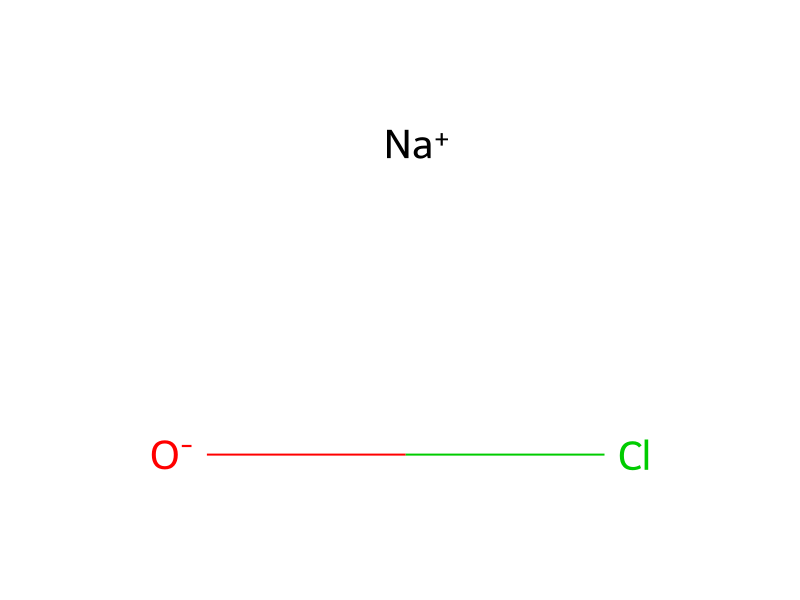


Conditions
- Temperature
- 50 °C
Procedure
143 g (0.948 moles) of 2-carbamoyl-benzyl alcohol, 2.3 g (0.0226 moles) of sodium bromide, 6.7 g of Adogen 464 and 806 ml of isopropyl acetate were stirred together in a two liter flask and cooled in a water bath. 504 ml of a 14% w/v solution of sodium hypochlorite (1.0 mole) was added to the stirred mixture over 40 minutes and at 30° C. Vigorous agitation was maintained during the addition and for a further 2 hours. The two-phase reaction mixture was then warmed to 50° C. to dissolve all solids. The organic phase was separated and the medium distilled off. The formed solid was recrystallized from 3 volumes of toluene to form 99 g of the desired product as a pale brown solid; m.p. 112° C.; yield 70%.
Workup
- temperaturecooled in a water bath
- temperatureVigorous agitation was maintained during the addition and for a further 2 hours
- customThe two-phase reaction mixture
- dissolutionto dissolve all solids
- customThe organic phase was separated
- distillationthe medium distilled off
- customThe formed solid was recrystallized from 3 volumes of toluene
Sources & evidence
- ORD record
- ord-0311b1672fa44c47bcae52f2aaf5b5d3
- Source dataset
- uspto-grants-1981_11
- Patent number
- US04301283
Linked notes
Loading…