Reaction equation

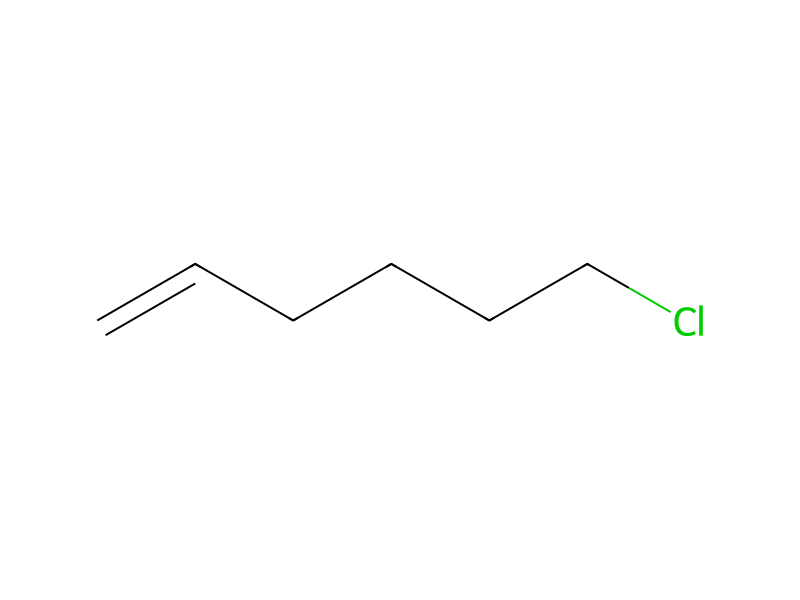
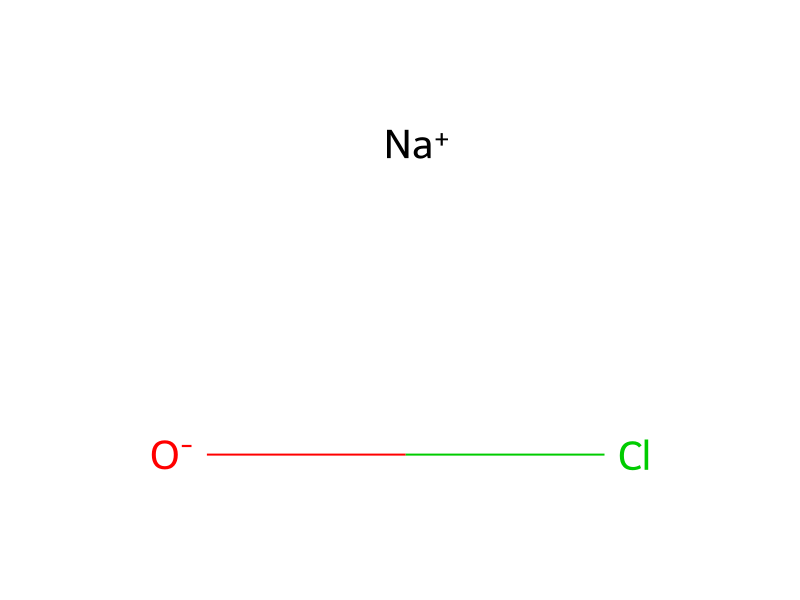
Cl[O-].[Na+].ClCl.C([O-])(=O)C.[Na+].[Br:11][C:12]1[C:13]([CH3:25])=[C:14]([C:18]([S:21]([CH3:24])(=[O:23])=[O:22])=[CH:19][CH:20]=1)[CH:15]=[N:16][OH:17].[Cl:26][CH2:27][CH2:28][CH2:29][CH2:30][CH:31]=[CH2:32]>C(Cl)Cl.O>[Br:11][C:12]1[CH:20]=[CH:19][C:18]([S:21]([CH3:24])(=[O:23])=[O:22])=[C:14]([C:15]2[CH2:32][CH:31]([CH2:30][CH2:29][CH2:28][CH2:27][Cl:26])[O:17][N:16]=2)[C:13]=1[CH3:25]Participants
8
Reactant 5



Product 1

Reagents, catalysts & solvents 2


Procedure
At room temperature, 50 ml of sodium hypochlorite solution (12.5% of active chlorine, admixed with a spatula tip of sodium acetate) were added dropwise with vigorous stirring to a solution of 15 g (51.4 mmol) of 3-bromo-2-methyl-6-methylsulfonylbenzaldehyde oxime and 6.7 g (56.5 mmol) of 6-chlorohexene in 200 ml of methylene chloride. The reaction mixture was stirred at room temperature overnight. The reaction mixture was then stirred into 300 ml of water. The organic phase was washed three times with water, dried and concentrated to dryness. This gave 19.3 g of a viscous yellow oil (92.4% of theory). The 1H-NMR spectrum corresponds to the given structure.
Workup
- customAt room temperature
- additionwere added dropwise
- washThe organic phase was washed three times with water
- customdried
- concentrationconcentrated to dryness
Sources & evidence
- ORD record
- ord-bb837d07e9b04a718187ce79942be239
- Source dataset
- uspto-grants-2003_09
- Patent number
- US06613719B1
Linked notes
Loading…