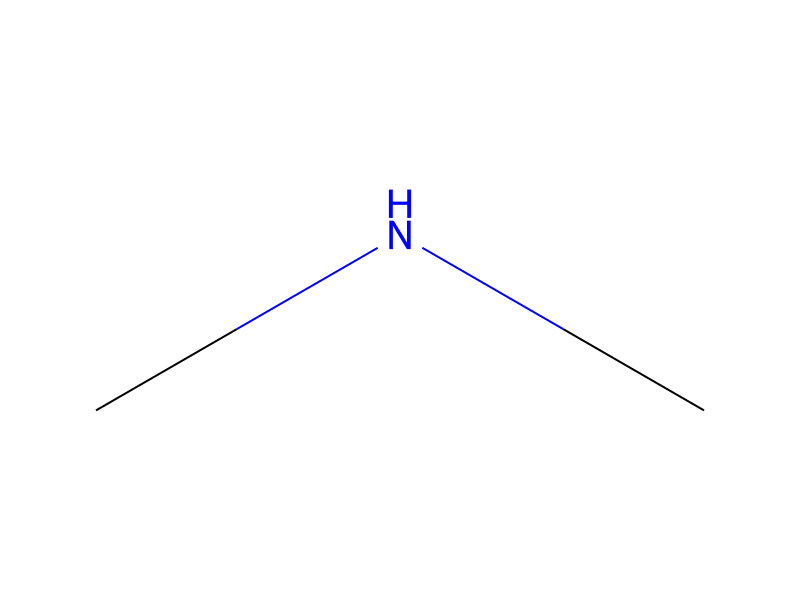
Dimethylamine → HCID 13726415, compound
Reaction equation

[CH3:1][NH:2][CH3:3].Cl[CH2:5][CH2:6][CH:7]1[CH2:13][N:12]([CH3:14])[C:11](=[S:15])[C:10]2[CH:16]=[C:17]([N+:20]([O-:22])=[O:21])[CH:18]=[CH:19][C:9]=2[O:8]1>>[CH3:1][N:2]([CH3:3])[CH2:5][CH2:6][CH:7]1[CH2:13][N:12]([CH3:14])[C:11](=[S:15])[C:10]2[CH:16]=[C:17]([N+:20]([O-:22])=[O:21])[CH:18]=[CH:19][C:9]=2[O:8]1Participants
3


Procedure
To 50 ml of freshly collected dimethylamine was added 4.25 g (0.014 mole) of 2-(2-chloroethyl)-2,3-dihydro-4-methyl-7-nitro-1,4-benzoxazepine-5(4H)-thione. The reaction flask was sealed tightly and allowed to stand at room temperature for 6 days. The dimethylamine was evaporated at room temperature. The solid residue was taken up in methylene chloride, washed twice with 1N hydroxide and once with water, dried over sodium sulfate, filtered and concentrated by rotary evaporation. Approximately 0.8 g of the crude solid residue was triturated with isopropyl/ether to give the crystalline free base, m.p. 104°-109° C.
Workup
- customThe reaction flask was sealed tightly
- customThe dimethylamine was evaporated at room temperature
- washwashed twice with 1N hydroxide and once with water