Citric Acid → 5-Hydroxyicosa-6,8,11,14-tetraenoic acid
Reaction equation

C[C@H:2]1[C@@H:23]([CH2:24]C2OC3C=CC(NC)=C(C(O)=O)C=3N=2)O[C@:5]2(O[C@H:9]([C@@H:11]([C:13]([C:15]3NC=[CH:17][CH:16]=3)=O)C)[C@H:8](C)[CH2:7][C@H:6]2C)[CH2:4][CH2:3]1.[C:39]([OH:51])(=[O:50])[CH2:40][C:41]([CH2:46][C:47]([OH:49])=O)(C(O)=O)O>CS(C)=O>[CH3:17][CH2:16][CH2:15][CH2:13][CH2:11][CH:9]=[CH:8][CH2:7][CH:6]=[CH:5][CH2:4][CH:3]=[CH:2][CH:23]=[CH:24][CH:47]([OH:49])[CH2:46][CH2:41][CH2:40][C:39]([OH:51])=[O:50]Participants
Reactant 2
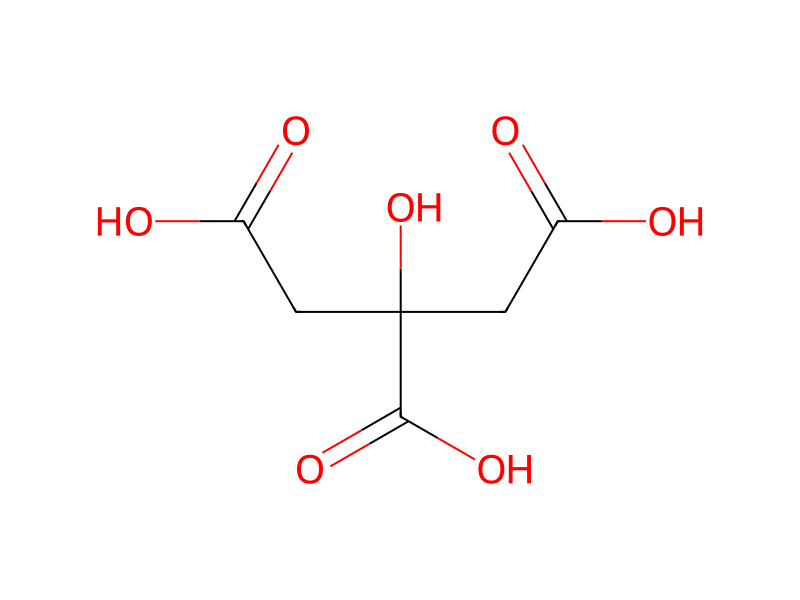

Product 1

Reagents, catalysts & solvents 1

Procedure
RBL-1 cells (1.57×10⁷ cells/tube) were preincubated for 10 minutes at 37° C. in the presence of the indicated drugs or vehicle (1% DMSO). Following the transfer of the assay tubes to an icebath, the reaction was initiated by the sequential addition of calcium ionophore A23187, an agent which increases the ability of divalent ions such as Ca++ to cross biological membranes (final concentration=1.9 μM) and 55 μM 1-14C-arachidonic acid (New England Nuclear) at a final specific activity of 3000-4000 cpm/nmole. The final volume in each tube was 1 ml. The assay tubes were incubated at 37° C. for 5 minutes, and the reaction was stopped by transferring the tubes to ice and adjusting the pH of the reaction mixture to pH 3.0-3.5 by the addition of 1M citric acid.
Workup
- temperaturean agent which increases the ability of divalent ions such as Ca++
- customThe final volume in each tube was
Sources & evidence
- ORD record
- ord-0e1a40472376433ea101a58e82c4f52b
- Source dataset
- uspto-grants-1989_03
- Patent number
- US04814487
Reaction notes
Loading…