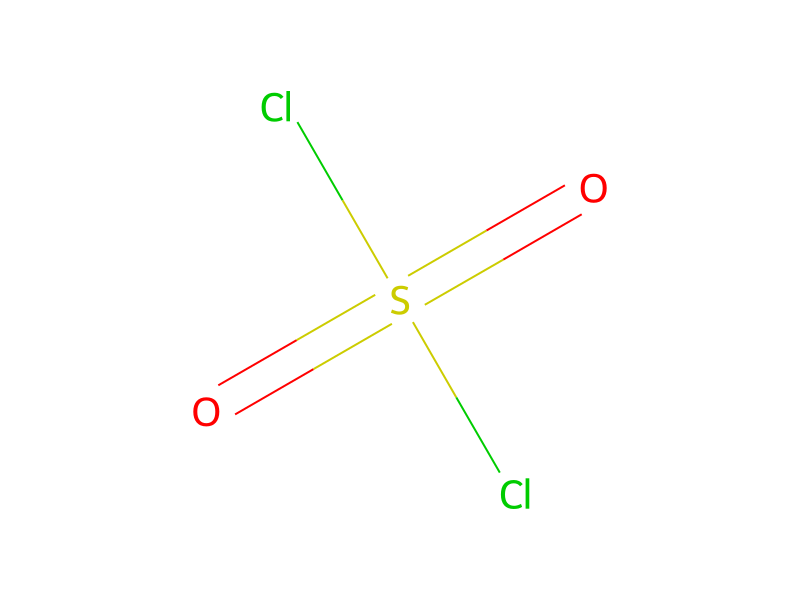
[CH2:1]([O:3][C:4](=[O:22])[CH2:5][C:6]1[C:7]([C:15]2[CH:20]=[CH:19][C:18]([Cl:21])=[CH:17][CH:16]=2)=[N:8][N:9]2[CH:14]=[CH:13][CH:12]=[N:11][C:10]=12)[CH3:2].S(Cl)([Cl:26])(=O)=O>C(Cl)Cl>[CH2:1]([O:3][C:4](=[O:22])[CH2:5][C:6]1[C:7]([C:15]2[CH:16]=[CH:17][C:18]([Cl:21])=[CH:19][CH:20]=2)=[N:8][N:9]2[CH:14]=[C:13]([Cl:26])[CH:12]=[N:11][C:10]=12)[CH3:2]A solution of 3.2 g (0.01 mole) of 2(4-chlorophenyl)pyrazolo[1,5-a]pyrimidine-3-acetic acid ethyl ester in 30 ml of methylene chloride was stirred under nitrogen and cooled to 0° C. in an ice bath. The cooled reaction solution was treated with 1.4 g (0.84 ml) (0.01 mole) of sulfuryl chloride and the reaction was allowed to warm to room temperature. The reaction mixture was concentrated in vacuo and the residue dissolved in 20 ml of methylene chloride, and washed successively with water, saturated sodium carbonate solution, and water, and then concentrated in vacuo to obtain 3.5 of residue. The crude residue was placed on on a 100 g silica gel column and chromatographed with a methanol:benzene gradient (0-4%). Concentration of combined fractions yielded a solid which was recrystallized from benzene (300 mg). A second crop obtained after adding ligroin amounted to 1.1 g of mixed product. The combined residues recrystallized from ethanol to yield 1.3 g (37%) of long pale yellow needles, mp 139°-140° C.