Reaction equation
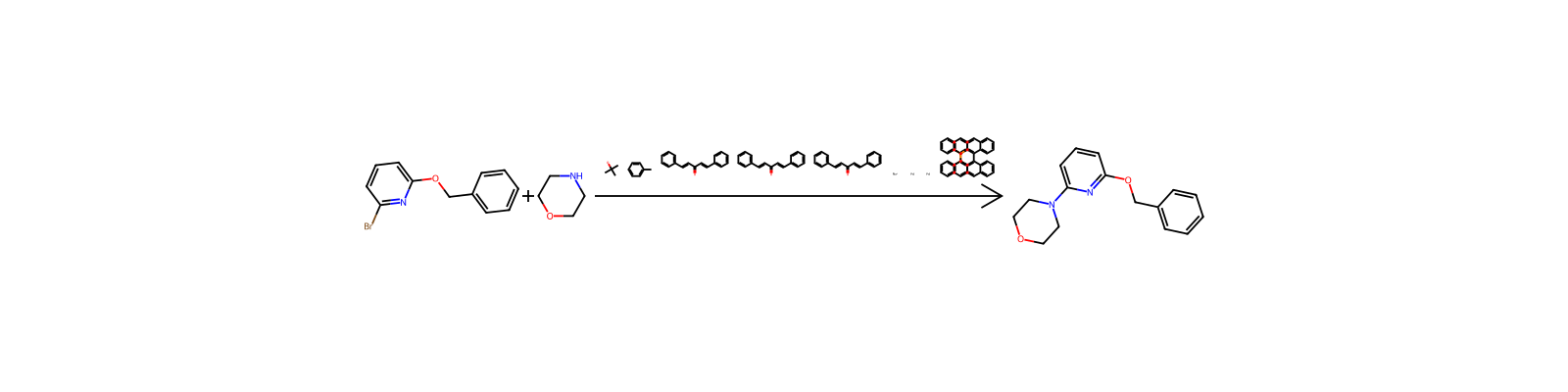
Brc1cccc(OCc2ccccc2)n1.C1COCCN1>CC(C)(C)[O-].Cc1ccccc1.O=C(/C=C/c1ccccc1)/C=C/c1ccccc1.O=C(/C=C/c1ccccc1)/C=C/c1ccccc1.O=C(/C=C/c1ccccc1)/C=C/c1ccccc1.[Na+].[Pd].[Pd].c1ccc(P(c2ccccc2)c2ccc3ccccc3c2-c2c(P(c3ccccc3)c3ccccc3)ccc3ccccc23)cc1>c1ccc(COc2cccc(N3CCOCC3)n2)cc1Participants
Reactant 2

Product 1

Reagents, catalysts & solvents 4



Conditions
- Temperature
- 120 °C
Procedure
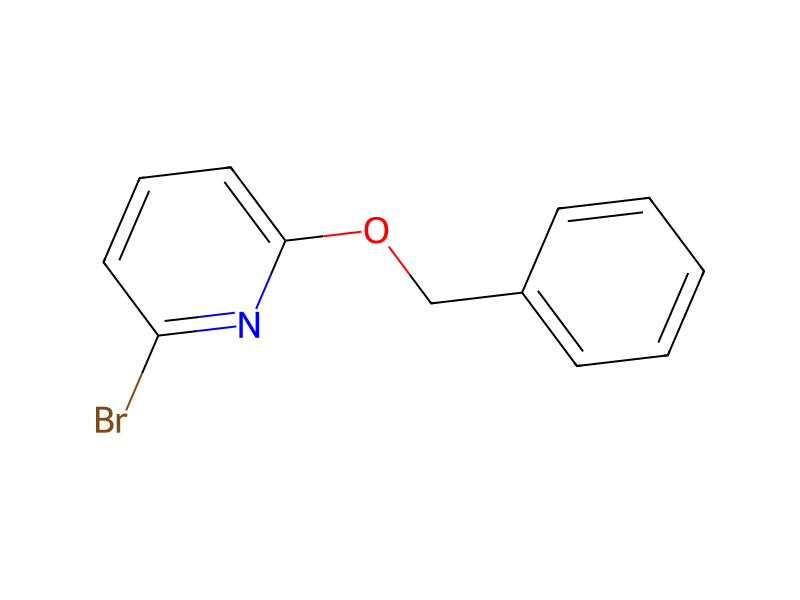
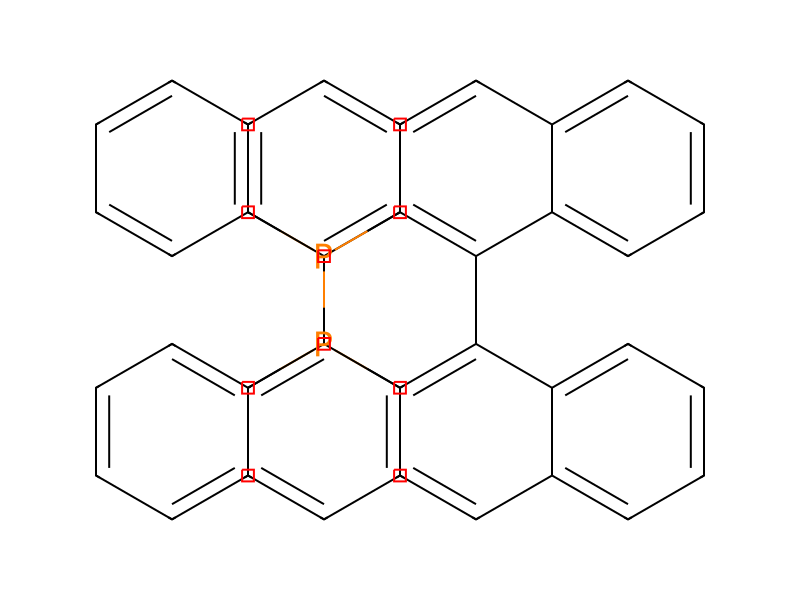
Reagents split into 2 microwave tubes:- 2-(benzyloxy)-6-bromopyridine (2.641 g, 10.00 mmol), TRIS(DIBENZYLIDENEACETONE)DIPALLADIUM(0) (0.092 g, 0.10 mmol), 2,2'-bis(diphenylphosphino)-1,1'-binaphthyl (0.093 g, 0.15 mmol) ,morpholine (1.045 g, 12.00 mmol) and sodium t-butoxide (1.345 g, 14.00 mmol) were suspended in toluene (30 mL). Degassed with N2 for 5 mins and sealed into a microwave tube. The reaction was heated to 120 °C for 10 minutes in the microwave reactor and cooled to RT. **_Work-up*_** The mixture was diluted with EtOAc and filtered through a short celite pad. The solution was then concentrated to dryness to give an orange viscous liquid (~4.7g). The crude product was purified by flash silica chromatography, elution gradient 0 to 10% EtOAc in isohexane. Pure fractions were evaporated to dryness to afford 4-(6-(benzyloxy)pyridin-2-yl)morpholine (2.350 g, 87 %) as a yellow oil.
Sources & evidence
- ORD record
- ord-dc082fad710a4bd8bc62cdd0ba778e89
- Source dataset
- 750 AstraZeneca ELN dataset
- Original link
- View source
Linked notes
Loading…