Reaction equation

[CH2:1]1[C:13]2[NH:12][C:11]3[C:6](=[CH:7][CH:8]=[CH:9][CH:10]=3)[C:5]=2[CH2:4][C@H:3]([C:14]([OH:16])=[O:15])[NH:2]1.[OH-].[K+].[CH2:19](Cl)[C:20]1[O:24][CH:23]=[CH:22][CH:21]=1.C(O)C1OC=CC=1.S(Cl)(Cl)=O.[C:37](=[S:39])=[S:38]>N1C=CC=CC=1.C(O)C>[CH2:19]([S:39][C:37]([N:2]1[C@@H:3]([C:14]([OH:16])=[O:15])[CH2:4][C:5]2[C:6]3[C:11](=[CH:10][CH:9]=[CH:8][CH:7]=3)[NH:12][C:13]=2[CH2:1]1)=[S:38])[C:20]1[O:24][CH:23]=[CH:22][CH:21]=1Participants
9
Reactant 6




Product 1

Reagents, catalysts & solvents 2


Procedure
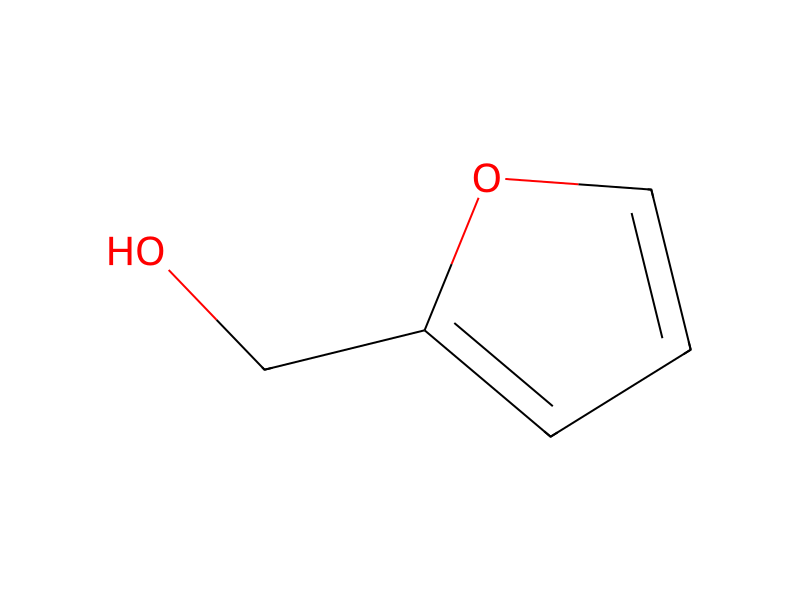
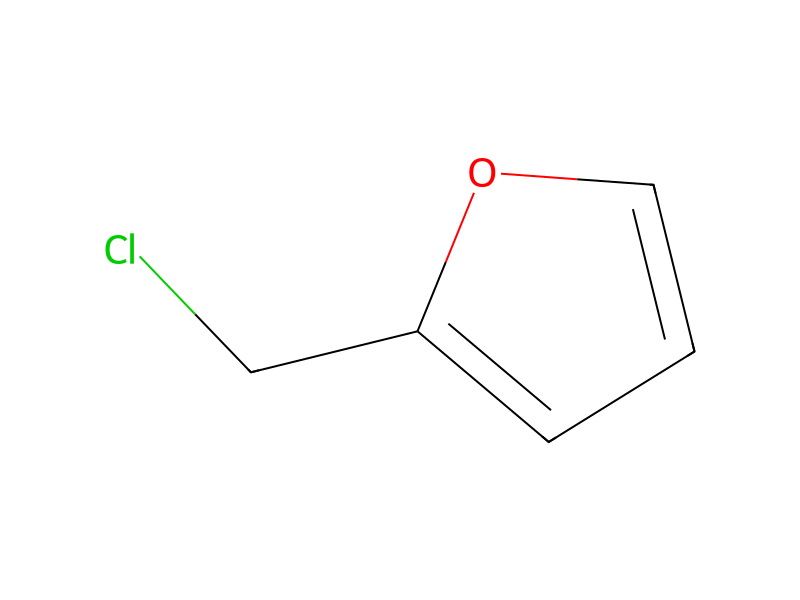
In the same manner as descsribed in Example 32, (3R)-1,2,3,4-tetrahydro-β-carboline-3-carboxylic acid (8.65 g), KOH (4.67 g), carbon disulfide (2.43 ml), 75% ethanol (120 ml) and furfuryl chloride which is prepared from furfuryl alcohol (9.24 g), thionyl chloride (12.34 g) and pyridine (8.94 g) are reacted and treated to give the title compound (2.31 g) as pale yellow powder.
Workup
- customare reacted
- additiontreated
Sources & evidence
- ORD record
- ord-4d04b1f0650b4fee9de48418bb2f4bae
- Source dataset
- uspto-grants-1986_12
- Patent number
- US04628057
Linked notes
Loading…