Reaction equation

[CH2:1]([C:3]1[CH:8]=[CH:7][C:6]([C:9]2N=N[C:12]([C:15]([O:17][CH2:18][CH3:19])=[O:16])=[N:11][C:10]=2[C:20]2[CH:25]=[CH:24][CH:23]=[CH:22][CH:21]=2)=[CH:5][CH:4]=1)[CH3:2].[CH:26](N1CCCC1)=[CH2:27]>C(Cl)(Cl)Cl>[CH2:1]([C:3]1[CH:8]=[CH:7][C:6]([C:9]2[CH:26]=[CH:27][C:12]([C:15]([O:17][CH2:18][CH3:19])=[O:16])=[N:11][C:10]=2[C:20]2[CH:25]=[CH:24][CH:23]=[CH:22][CH:21]=2)=[CH:5][CH:4]=1)[CH3:2]Participants
4
Reactant 2
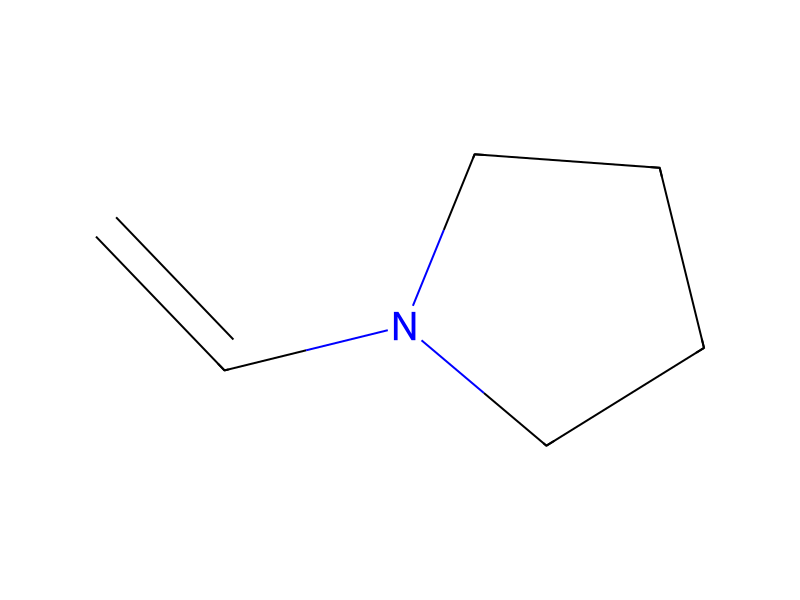

Product 1

Reagents, catalysts & solvents 1

Procedure
Following General Procedure D, ethyl 6-(4-ethyl-phenyl)-5-phenyl-1,2,4-triazine-3-carboxylate (Compound 13, 105 mg, 0.30 mmol) and crude 1-vinylpyrrolidine (Compound 38, 2 g) in CHCl3 (10 ml) were reacted to produce the title compound as a yellow solid.
Workup
- customwere reacted
Sources & evidence
- ORD record
- ord-ff9619e76cab447082841ad9a3fd4058
- Source dataset
- uspto-grants-2010_06
- Patent number
- US07728014B2
Linked notes
Loading…