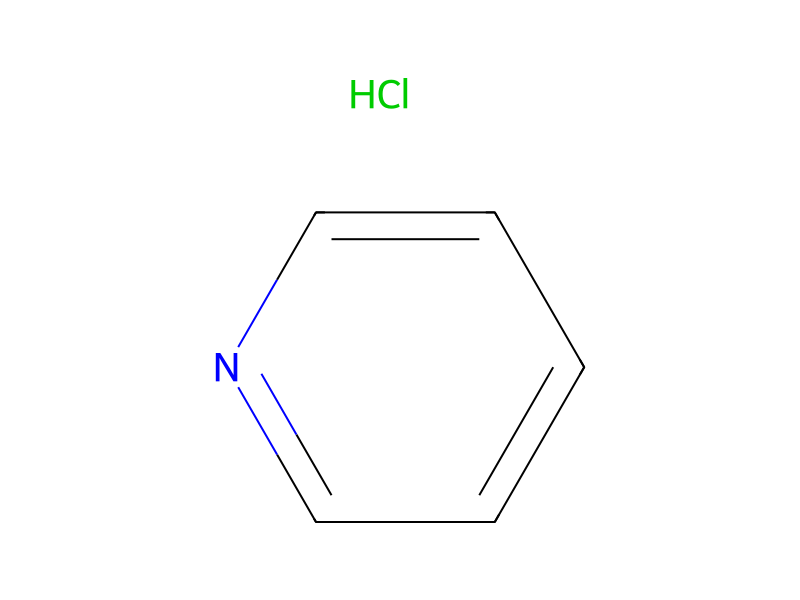
Cl[C:2]1[C:11]2[C:6](=[CH:7][CH:8]=[C:9]([O:12][CH2:13][CH2:14][CH2:15][N:16]3[CH2:21][CH2:20][O:19][CH2:18][CH2:17]3)[N:10]=2)[N:5]=[CH:4][C:3]=1[C:22]#[N:23].[NH2:24][C:25]1[CH:30]=[C:29]([OH:31])[C:28]([CH3:32])=[CH:27][CH:26]=1.Cl.N1C=CC=CC=1>C(OC(O)C)C>[OH:31][C:29]1[CH:30]=[C:25]([NH:24][C:2]2[C:11]3[C:6](=[CH:7][CH:8]=[C:9]([O:12][CH2:13][CH2:14][CH2:15][N:16]4[CH2:21][CH2:20][O:19][CH2:18][CH2:17]4)[N:10]=3)[N:5]=[CH:4][C:3]=2[C:22]#[N:23])[CH:26]=[CH:27][C:28]=1[CH3:32]A mixture of 4-chloro-6-(3-morpholin-4-yl-propoxy)-[1.5]naphthyridine-3-carbonitrile (400 mg, 1.202 mmol), 5-amino cresol (222 mg, 1.8 mmol) and pyridine HCl salt (208 mg, 1.8 mmol) in ethoxyethanol (20 ml) was heated at reflux for 6 hrs under argon. After cooling, the solvent was removed by rotary evaporation. The residue was dissolved in ethyl acetate and treated with sat NaHCO3. The ethyl acetate layer was separated and the aqueous layer was extracted with ethyl acetate. The combined extracts were washed (sat NaHCO3 aq sol, brine), dried (Na2SO4), and concentrated. The residue was triturated with CH2Cl2, and ether and hexane were added to form a solid. The yellow solid was collected (200 mg, 40%) and dried. mass spectrum (electrospray, m/e): 420 (M+H); IR cm-1: 3322, 2226, 1628.