Hydrazine → HCID 10113410, compound
HRID 1270185
Reaction equation

ClC(Cl)(Cl)[C:3]([C:5]1[N:14]2[C:8]([CH2:9][N:10]([C:19](=[O:32])[C:20]3[CH:25]=[CH:24][C:23]([CH:26]4[CH2:31][CH2:30][CH2:29][CH2:28][CH2:27]4)=[CH:22][CH:21]=3)[C:11]3[CH:18]=[CH:17][CH:16]=[CH:15][C:12]=3[CH2:13]2)=[CH:7][CH:6]=1)=[O:4].[NH2:35][NH2:36]>C(O)C>[CH:26]1([C:23]2[CH:24]=[CH:25][C:20]([C:19]([N:10]3[C:11]4[CH:18]=[CH:17][CH:16]=[CH:15][C:12]=4[CH2:13][N:14]4[C:5]([C:3]([NH:35][NH2:36])=[O:4])=[CH:6][CH:7]=[C:8]4[CH2:9]3)=[O:32])=[CH:21][CH:22]=2)[CH2:31][CH2:30][CH2:29][CH2:28][CH2:27]1Participants
4
Reactant 2
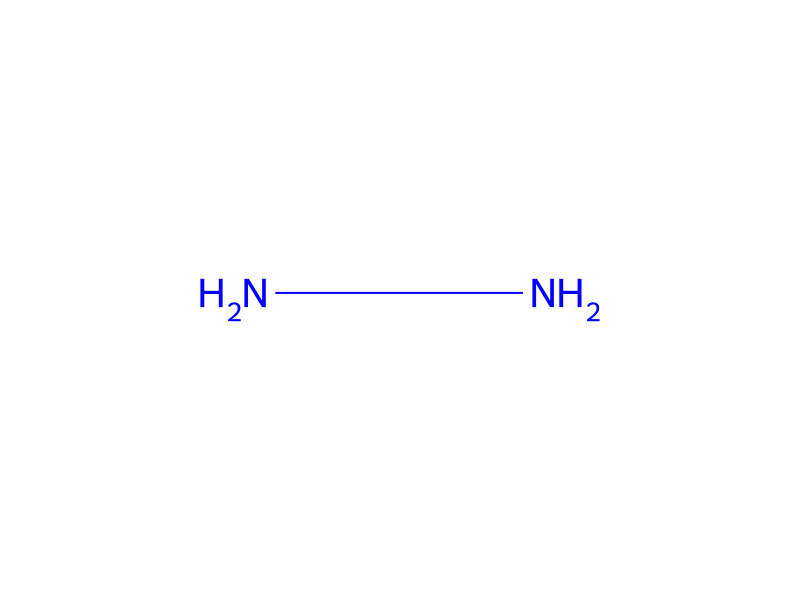

Product 1

Reagents, catalysts & solvents 1

Procedure
2,2,2-Trichloro-1-[10-cyclohexyl-benzoyl]10,11-dihydro-5H-pyrrolo[2,1-c][1,4]benzodiazepin-3-yl]-1-ethanone of Example 7 (1.3 g) was added to a solution of anhydrous hydrazine (0.24 g) in absolute ethanol (50 mL). After stirring overnight at room temperature, the volatiles were removed in vacuo and the residue extracted with dichloromethane. The combined extracts were dried over anhydrous sodium sulfate and filtered through a short column of Magnesol®. Removal of the solvent provided the title compound as a pale yellow amorphous solid.