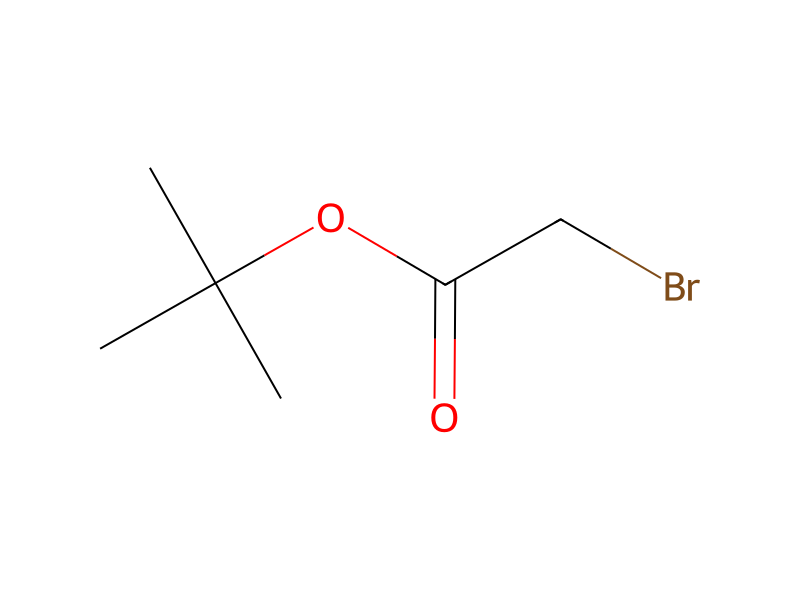
[O:1]1[CH2:6][CH2:5][CH2:4][CH2:3][CH:2]1[O:7][CH2:8][CH2:9][CH2:10][CH2:11][OH:12].[OH-].[K+].Br[CH2:16][C:17]([O:19][C:20]([CH3:23])([CH3:22])[CH3:21])=[O:18]>C1C=CC=CC=1.S([O-])(O)(=O)=O.C([N+](CCCC)(CCCC)CCCC)CCC>[C:20]([O:19][C:17](=[O:18])[CH2:16][O:12][CH2:11][CH2:10][CH2:9][CH2:8][O:7][CH:2]1[CH2:3][CH2:4][CH2:5][CH2:6][O:1]1)([CH3:23])([CH3:22])[CH3:21]35.98 g of 4-(2-tetrahydropyranyloxy)-1-butanol was dissolved in 300 ml of benzene and then 33.95 g of tetra-n-butylammonium hydrogen sulfate and 300 ml of an aqueous 40% potassium hydroxide solution were added. While stirring vigorously under ice cooling, 10.5 ml of tert-butyl bromoacetate was added dropwise so as to control the inner temperature to 5 to 10° C. or lower. After stirring for 45 minutes, an ice bath was removed and the mixture was stirred at room temperature for one hour. The reaction solution was diluted with water and then extracted with diethyl ether. The extract was washed with saturated brine and dried over anhydrous magnesium sulfate, and then the solvent was evaporated under reduced pressure. The residue was purified by silica gel column chromatography to obtain 36.21 g of the desired compound as a colorless oily substance.
Loading…