Reaction equation

[F:1][C:2]([F:12])([F:11])[C:3]1[CH:10]=[CH:9][CH:8]=[CH:7][C:4]=1[CH:5]=O.[CH2:13]([O:15][C:16](=[O:23])[CH2:17][C:18]([CH2:20][O:21][CH3:22])=O)[CH3:14].[NH3:24]>C(O)C>[CH2:13]([O:15][C:16]([C:17]1[CH:5]([C:4]2[CH:7]=[CH:8][CH:9]=[CH:10][C:3]=2[C:2]([F:12])([F:11])[F:1])[C:17]([C:16]([O:15][CH2:13][CH3:14])=[O:23])=[C:18]([CH2:20][O:21][CH3:22])[NH:24][C:18]=1[CH2:20][O:21][CH3:22])=[O:23])[CH3:14]Participants
5



Procedure
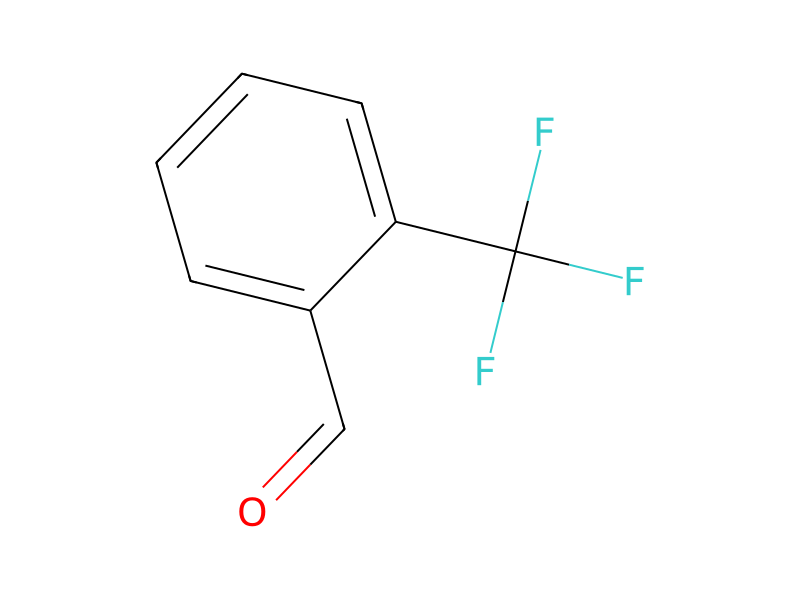
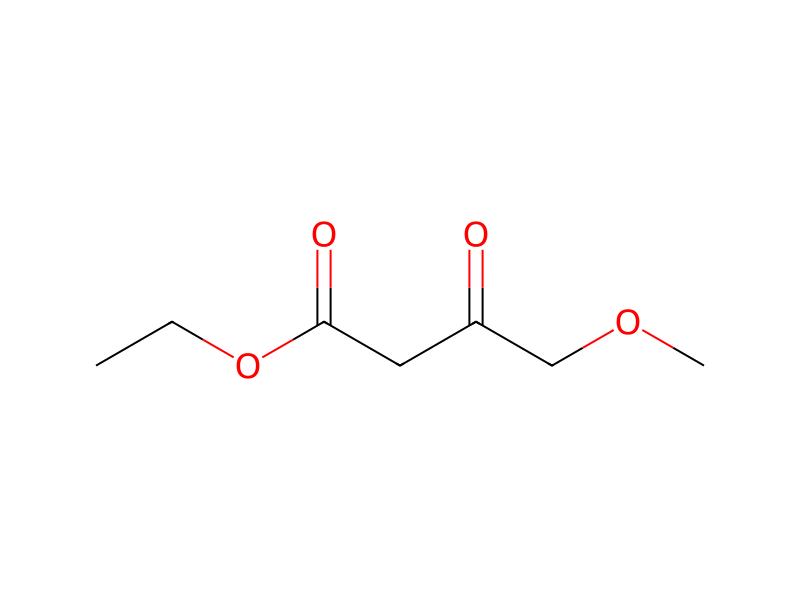
8.7 g of 2-trifluoromethylbenzaldehyde, 16 g of γ-methoxyacetoacetic acid ethyl ester and 5 ml of aqueous concentrated ammonia in 30 ml of ethanol are heated to the boil overnight, the mixture is cooled and 2,6-dimethoxymethyl-4-(2'-trifluoromethylphenyl)-1,4-dihydropyridine-3,5-dicarboxylic acid diethyl ester is obtained in the form of light brown crystals of melting point 133°-134°C, in a yield of 60% of theory.
Workup
- temperaturethe mixture is cooled
Sources & evidence
- ORD record
- ord-34ec25078a594fb58e3f762a57550ec8
- Source dataset
- uspto-grants-1976_08
- Patent number
- US03974278
Linked notes
Loading…