Acetic Anhydride → HCID 53682753, compound
HRID 128521
Reaction equation

[Br:1][C:2]1[C:15]([F:16])=[C:14]([F:17])[C:13]([F:18])=[C:12]([F:19])[C:3]=1[C:4]([CH2:6][C:7]([O:9][CH2:10][CH3:11])=[O:8])=[O:5].[C:20]([O:23][C:24](=O)C)(=O)[CH3:21].C(OCC)(OCC)OCC>>[Br:1][C:2]1[C:15]([F:16])=[C:14]([F:17])[C:13]([F:18])=[C:12]([F:19])[C:3]=1[C:4]([C:6](=[CH:24][O:23][CH2:20][CH3:21])[C:7]([O:9][CH2:10][CH3:11])=[O:8])=[O:5]Participants
4

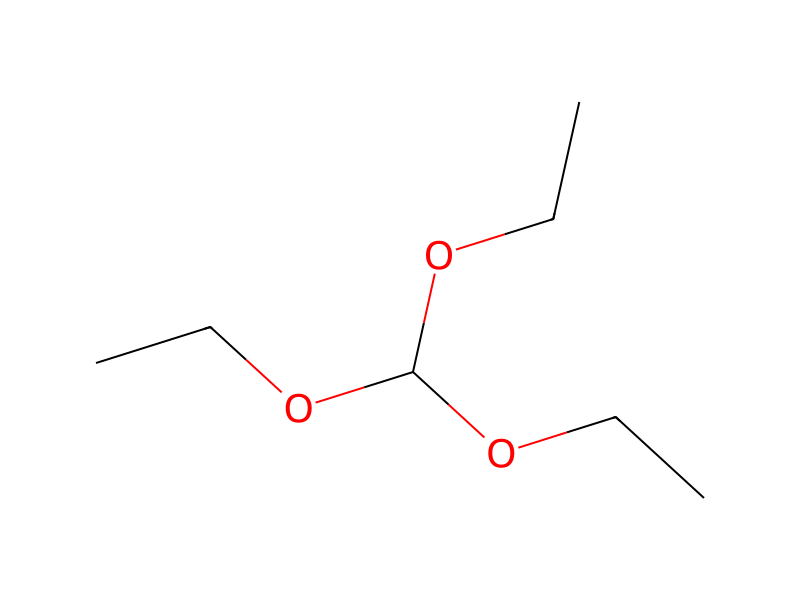


Procedure
45 g of crude ethyl (2-bromo-3,4,5,6-tetrafluorobenzoyl)-acetate are introduced into 32.2 g (0.31 mol) of acetic anhydride and 28.4 g (0.19 mol) of triethyl orthoformate and the mixture is heated under reflux for 2 hours. Excess reagent is stripped off, first in vacuo and then under a high vacuum (bath up to 120°-130° C.), and the crude product is reacted for the next stage.