HomeMCPWorkbenchSkills
HomeWorkbenchNotificationsMe
llms.txt · MCP GuidePrivacy Policy · Terms of Service · Supportv1.8.3
  1. Home
  2. /Reaction

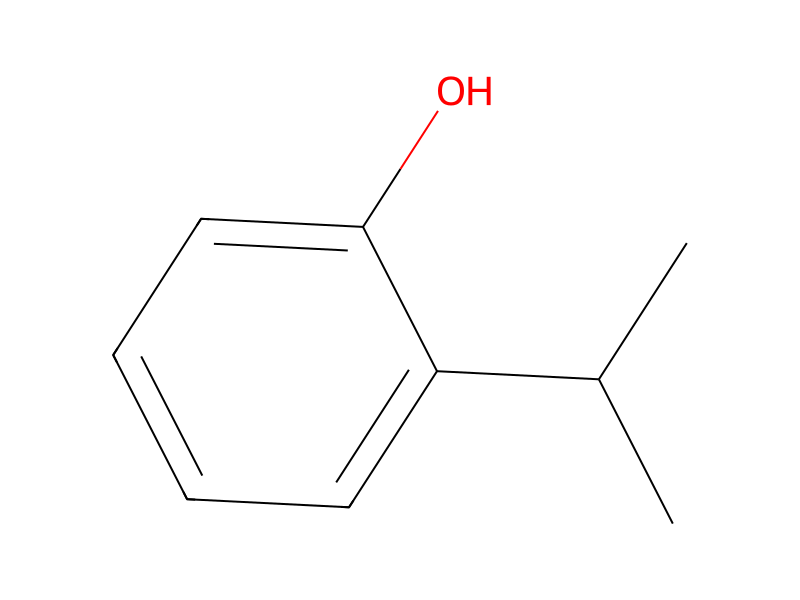
2-Isopropylphenol → Cyclohexanol

HRID 1288208
Print

Reaction equation

HRID 1288208 reaction equation
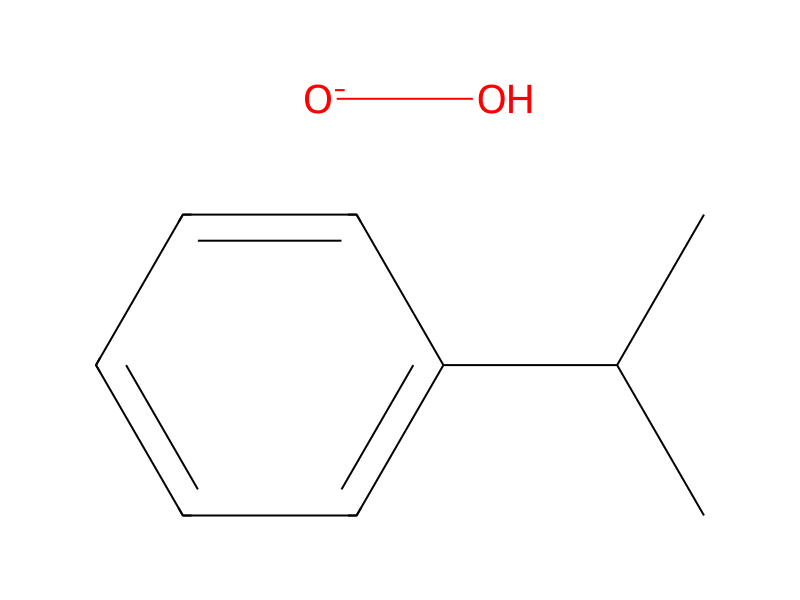
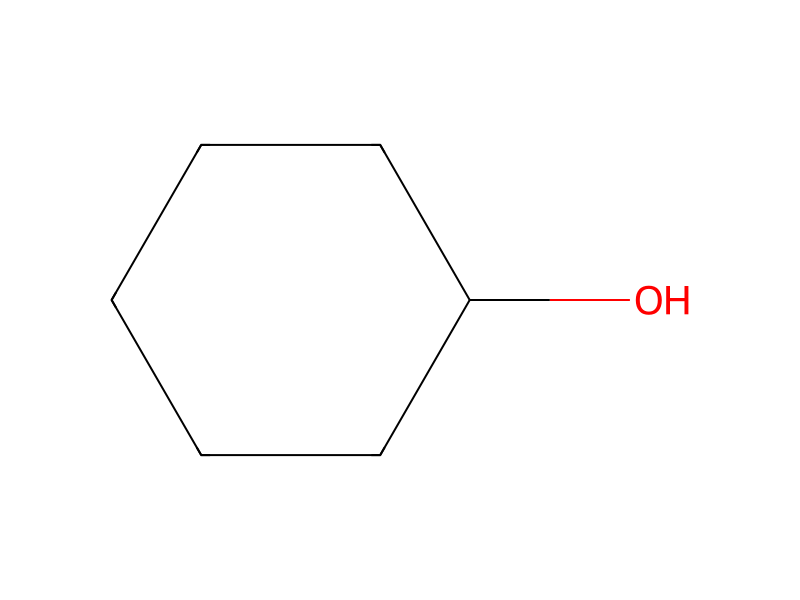
[C:1]1(C(C)C)[C:2]([OH:7])=[CH:3][CH:4]=[CH:5][CH:6]=1.[O-:11]O.[O-]O.C1(C(C)C)C=CC=CC=1>C1CCCCC1>[CH:2]1([O:7][OH:11])[CH2:3][CH2:4][CH2:5][CH2:6][CH2:1]1.[CH:2]1([OH:7])[CH2:3][CH2:4][CH2:5][CH2:6][CH2:1]1.[C:2]1(=[O:7])[CH2:3][CH2:4][CH2:5][CH2:6][CH2:1]1
ParticipantsProcedureSources & evidenceReaction notes

Participants

7

Reactant 3

HCID 69432-Isopropylphenol2×HCID 18500Perhydroxyl radicalHCID 53627471Cumen hydroperoxide2×

Product 3

HCID 7966CyclohexanolHCID 7967CyclohexanoneHCID 69835Cyclohexyl hydroperoxide

Reagents, catalysts & solvents 1

HCID 8078CyclohexaneSolvent2×

Procedure

A run was carried out in exactly the same manner as Run 10, except that the tertiary alcohol was cumenol and the tertiary hydroperoxide was cumene hydroperoxide. The mole ratio of cumenol to cyclohexane was 0.329:1 and the mole ratio of cumene hydroperoxide to cyclohexane was 0.086:1. A cyclohexyl hydroperoxide yield of 56 mole percent, a cyclohexanol yield of 20 mole percent, a cyclohexanone yield of 11 mole percent and a residue of 13 mole percent was obtained at a conversion level of 8.1 mole percent and a percent conversion rate of 5.8 percent per hour. This run demonstrates that other tertiary alcohols and hydroperoxides are effective in the process of this invention.

Sources & evidence

ORD record
ord-6c15ba45a5d54ce4a5b0eb61c95717f7
Source dataset
uspto-grants-1976_10
DOI
10.6084/m9.figshare.5104873.v1
Patent number
US03987115

Reaction notes

On this pageParticipantsProcedureSources & evidenceReaction notes