Sulfuric Acid → 5-Benzamido-4-benzoylcarbamoyl-1-benzyl-1,2,3-triazole
HRID 1288294
Reaction equation

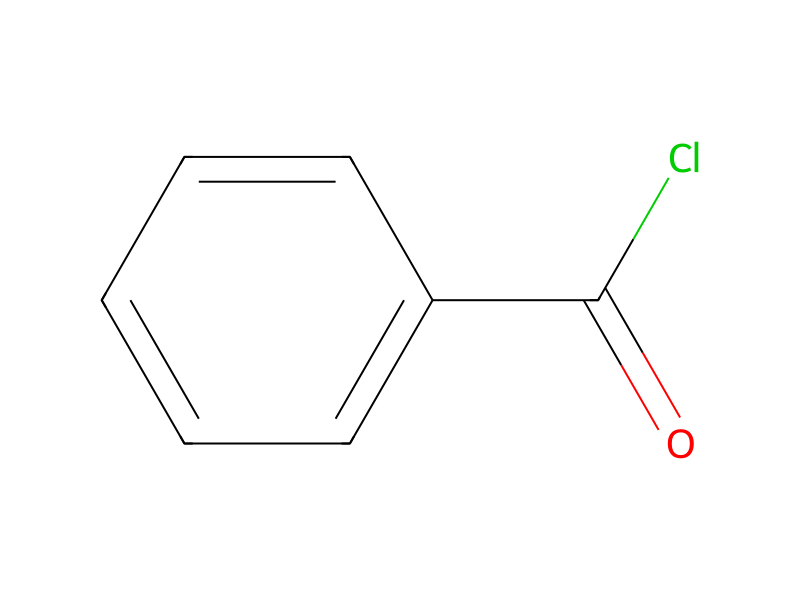
S(=O)(=O)(O)O.[NH2:6][C:7]1[N:11]([CH2:12][C:13]2[CH:18]=[CH:17][CH:16]=[CH:15][CH:14]=2)[N:10]=[N:9][C:8]=1[C:19](=[O:21])[NH2:20].[C:22](Cl)(=[O:29])[C:23]1[CH:28]=[CH:27][CH:26]=[CH:25][CH:24]=1>>[C:22]([NH:6][C:7]1[N:11]([CH2:12][C:13]2[CH:18]=[CH:17][CH:16]=[CH:15][CH:14]=2)[N:10]=[N:9][C:8]=1[C:19](=[O:21])[NH:20][C:22](=[O:29])[C:23]1[CH:28]=[CH:27][CH:26]=[CH:25][CH:24]=1)(=[O:29])[C:23]1[CH:28]=[CH:27][CH:26]=[CH:25][CH:24]=1Participants
4



Procedure
Concentrated sulphuric acid (1.5 ml.) was added dropwise, under anhydrous conditions, to an ice-cooled, stirred suspension of 5-amino-1benzyl-4-carbamoyl-1,2,3-triazole (2.17 g.; prepared as described by J. R. E. Hoover and A. R. Day, J.Amer.Chem.Soc., 1956, 78, 5832) in benzoyl chloride (24 ml.). Stirring was continued at room temperature overnight. The clear solution which formed was then poured into ice-water, the precipitated solid was filtered off, washed well with water and diethyl ether to give 5-benzamido-4-benzoylcarbamoyl-1-benzyl-1,2,3-triazole (1.8 g.), m.p. 171°-173° C., suitable for use in the next stage of the preparation. An aliquot was recrystallised from ethanol to give pure 5-benzamido-4-benzoylcarbamoyl-1-benzyl-1,2,3-triazole, m.p. 182°-186° C.