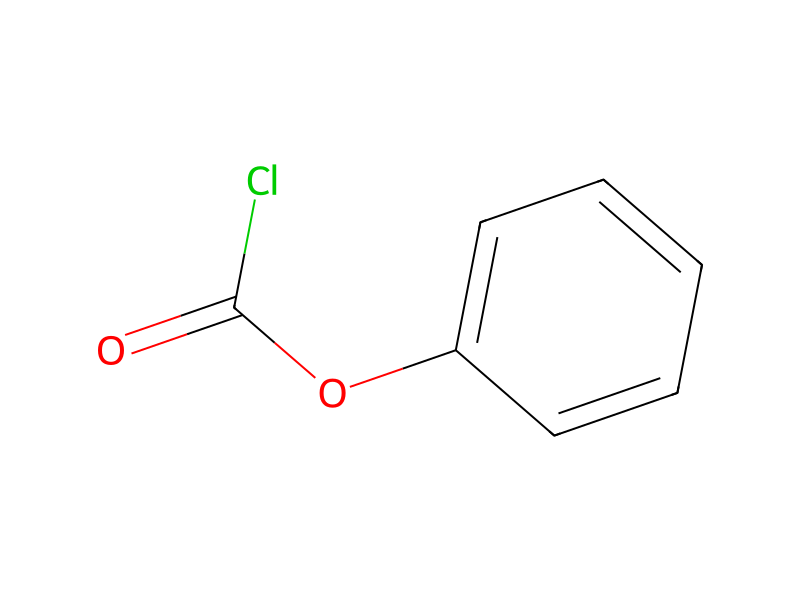
[NH2:1][C:2]1[CH:3]=[C:4]([CH:16]=[CH:17][CH:18]=1)[C:5]([N:7]([CH2:12][CH2:13][O:14][CH3:15])[CH2:8][CH2:9][O:10][CH3:11])=[O:6].[OH-].[Na+].Cl[C:22]([O:24][C:25]1[CH:30]=[CH:29][CH:28]=[CH:27][CH:26]=1)=[O:23]>O1CCOCC1>[CH3:15][O:14][CH2:13][CH2:12][N:7]([CH2:8][CH2:9][O:10][CH3:11])[C:5]([C:4]1[CH:3]=[C:2]([NH:1][C:22](=[O:23])[O:24][C:25]2[CH:30]=[CH:29][CH:28]=[CH:27][CH:26]=2)[CH:18]=[CH:17][CH:16]=1)=[O:6]To a stirred solution of 3-amino-N,N-bis(2-methoxyethyl)benzamide (1.01 g) in 1,4-dioxane (10 ml) was added 1N sodium hydroxide solution (5.2 ml) and phenyl chloroformate (0.55 ml) successively in an ice-cooled bath. The bath was removed and the reaction mixture was stirred vigorously for 1 hour, during which time phenyl chloroformate (0.25 ml) was further added. The mixture was extracted with dichloromethane and the organic layer was washed with water twice and brine, dried over anhydrous magnesium sulfate, and evaporated in vacuo. The residue was crystallized from diisopropyl ether to give phenyl 3[N,N-bis(2-methoxyethyl)carbamoyl]phenylcarbamate (1.30 g) as a colorless powder.