Reaction equation
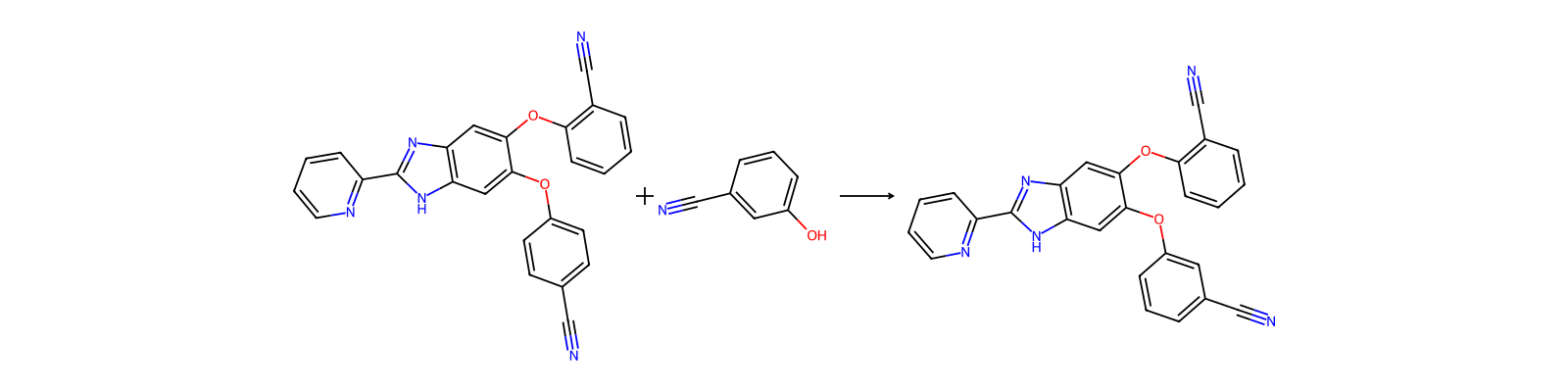
[C:1]([C:3]1[CH:33]=[CH:32][CH:31]=[CH:30][C:4]=1[O:5][C:6]1[C:20]([O:21]C2C=CC(C#N)=CC=2)=[CH:19][C:9]2[NH:10][C:11]([C:13]3[CH:18]=[CH:17][CH:16]=[CH:15][N:14]=3)=[N:12][C:8]=2[CH:7]=1)#[N:2].O[C:35]1[CH:36]=[C:37]([CH:40]=[CH:41][CH:42]=1)[C:38]#[N:39]>>[C:1]([C:3]1[CH:33]=[CH:32][CH:31]=[CH:30][C:4]=1[O:5][C:6]1[C:20]([O:21][C:35]2[CH:42]=[CH:41][CH:40]=[C:37]([C:38]#[N:39])[CH:36]=2)=[CH:19][C:9]2[NH:10][C:11]([C:13]3[CH:18]=[CH:17][CH:16]=[CH:15][N:14]=3)=[N:12][C:8]=2[CH:7]=1)#[N:2]Participants
3


Procedure
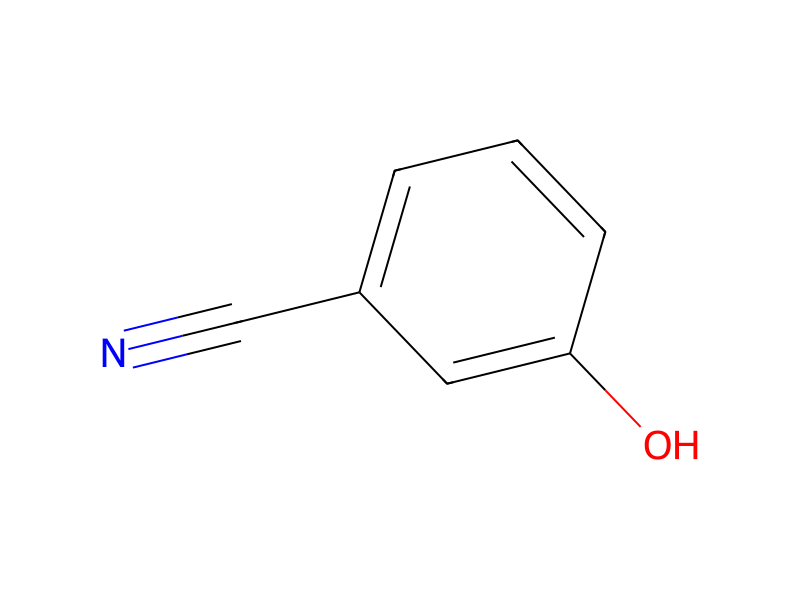
The entitled compound was obtained as a brown solid in the same method as in Example 28 or in accordance with the method or by combining it with an ordinary method but using 4-fluoro-5-(2-cyano-phenoxy)-2-nitro-phenylamine obtained in Example 28 and 3-hydroxy-benzonitrile.
Workup
- customThe entitled compound was obtained as a brown solid in the same method as in Example 28 or in accordance with the method
Sources & evidence
- ORD record
- ord-94a36911fcbf45a0b28ff1a5194e6aba
- Source dataset
- uspto-grants-2010_06
- Patent number
- US07728025B2
Linked notes
Loading…