Water → 1-Carbomethoxy-2-benzylamino-3,4-dihydronaphthalene
Reaction equation

[C:1]([CH:5]1[C:14]2[C:9](=[CH:10][CH:11]=[CH:12][CH:13]=2)[CH2:8][CH2:7][C:6]1=O)([O:3][CH3:4])=[O:2].C(O)(=O)C(C)C.[CH2:22]([NH2:29])[C:23]1[CH:28]=[CH:27][CH:26]=[CH:25][CH:24]=1.O>C1(C)C=CC=CC=1>[C:1]([C:5]1[C:14]2[C:9](=[CH:10][CH:11]=[CH:12][CH:13]=2)[CH2:8][CH2:7][C:6]=1[NH:29][CH2:22][C:23]1[CH:28]=[CH:27][CH:26]=[CH:25][CH:24]=1)([O:3][CH3:4])=[O:2]Participants
6




Procedure
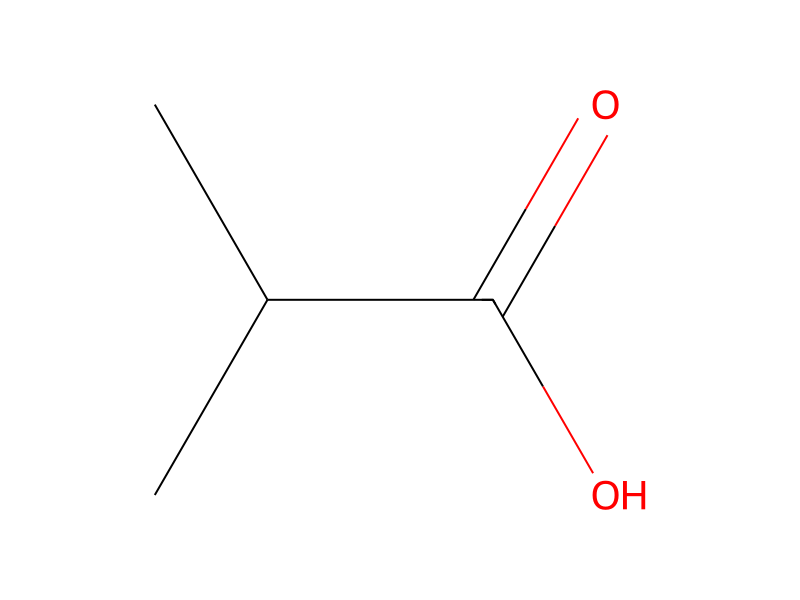
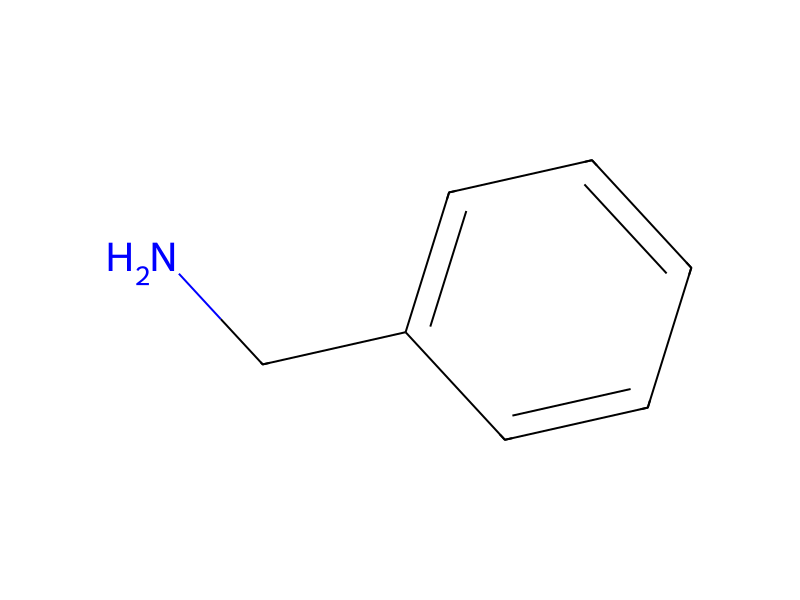
To a solution of 1-carbomethoxy-2-oxo-1,2,3,4-tetrahydronaphthalene (10.2 g) and isobutyric acid (4.84 g) in toluene (150 mL) stirring at room temperature under argon, was added benzylamine (5.35 g). The resulting mixture was heated to reflux for 2 h with water removal using a Dean-Stark trap. The solvent was then evaporated under vacuum to provide the title compound (15 g) as a yellow gum.
Workup
- temperatureThe resulting mixture was heated
- customThe solvent was then evaporated under vacuum
Sources & evidence
- ORD record
- ord-e1562b7a1b0342efa5869dca9cb48120
- Source dataset
- uspto-grants-2007_05
- Patent number
- US07214704B2
Reaction notes
Loading…