Chloroacetic Acid → Chloroacetic acid--azepan-2-one (1/1)
Reaction equation

[C:1]1(=[O:8])[NH:7][CH2:6][CH2:5][CH2:4][CH2:3][CH2:2]1.[Cl:9][CH2:10][C:11]([OH:13])=[O:12]>C1C=CC=CC=1>[Cl:9][CH2:10][C:11]([OH:13])=[O:12].[C:1]1(=[O:8])[NH:7][CH2:6][CH2:5][CH2:4][CH2:3][CH2:2]1Participants
4
Reactant 2
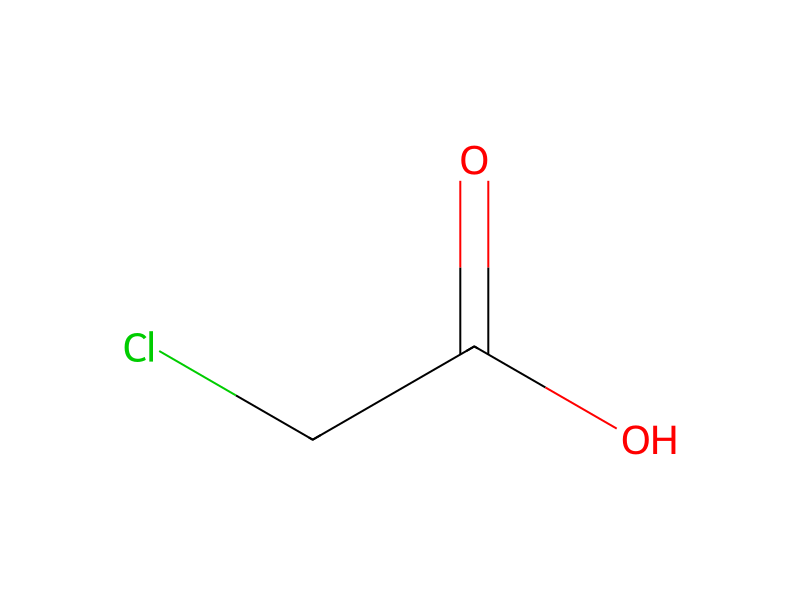
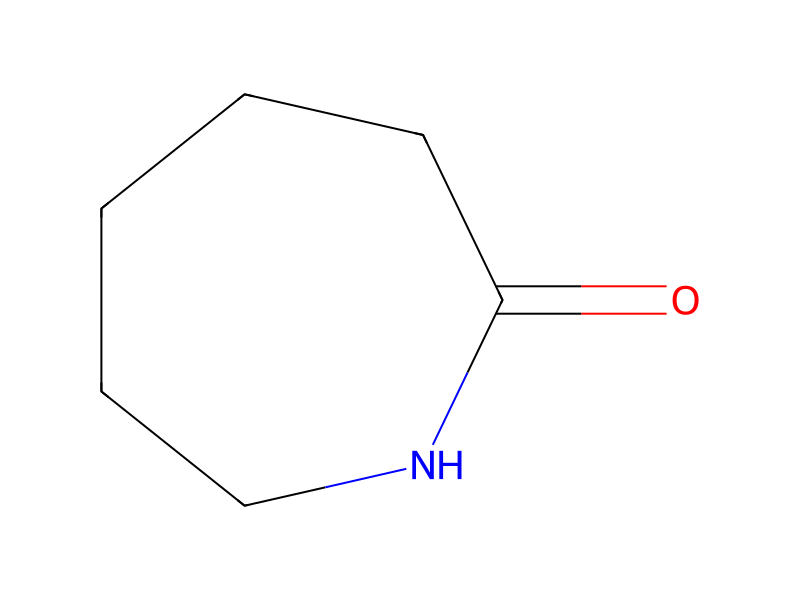
Product 1

Reagents, catalysts & solvents 1

Procedure
To a 100 ml flask containing 11.32 g of ε-caprolactam (0.1 mol), 30 ml benzene was added and stirred for dissolution. Then 9.45 g of chloroacetic acid (0.1 mol) in 20 ml benzene was added dropwise into the flask over 20 min at room temperature. Then the reaction was stirred for another 7 hours. Desired product was formed after benzene was removed under reduced pressure and dried at 110° C. under 1–5 mmHg for 1 hour. The yellowish, moisture- and water-stable liquid of caprolactam chloroacetate was obtained with a yield of 95.9%, which has an ionic conductivity of 2.9×10⁻⁵ S/cm, a glass transition temperature of −67° C., and a Hammett acidic scale H0 of 5.03 using methyl yellow as indicator. After several days, it changed into a yellowish solid with melting point of 29° C.