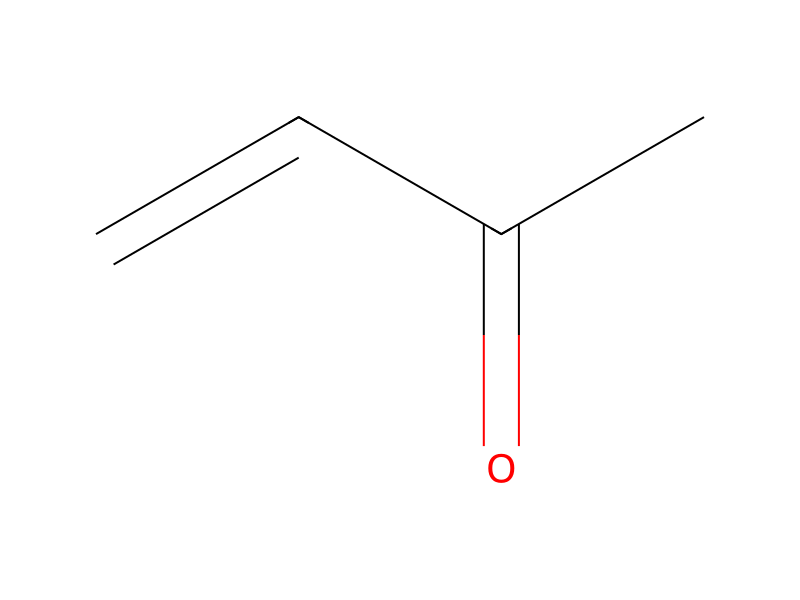
[C:1]([NH:4][C:5]1[CH:6]=[C:7]2[C:11](=[CH:12][CH:13]=1)[C:10](=[O:14])[CH:9]([CH2:15][CH2:16][CH2:17][CH3:18])[CH2:8]2)(=[O:3])[CH3:2].C[O-:20].[Na+].[CH:22]([C:24]([CH3:26])=O)=[CH2:23]>CO>[C:1]([NH:4][C:5]1[CH:6]=[C:7]2[C:11](=[CH:12][CH:13]=1)[C:10](=[O:14])[C:9]([CH2:23][CH2:22][CH2:24][CH3:26])([CH2:15][CH2:16][C:17](=[O:20])[CH3:18])[CH2:8]2)(=[O:3])[CH3:2]A solution of 5-(acetylamino)-2-butyl-1-indanone (8.8 g, 35.9 mmol) in MeOH (95 mL) was treated with 0.5M NaOMe in MeOH (14.4 mL, 7.2 mmol). The resulting solution was placed under a N2 atmosphere, treated with methyl vinyl ketone (4.5 mL, 54 mmol), and then stirred at room temperature for three days. The mixture was partitioned between EtOAc and saturated aqueous NH4Cl, and the aqueous phase was back-extracted with EtOAc. The combined organics were washed with 5% NaHCO3, water, and brine, dried over MgSO4, filtered, and concentrated under vacuum to an oil (11.8 g). The crude product was purified by Biotage flash chromatography on a 75 L silica gel column (7.5×35 cm), eluting with 2:1 hexane-EtOAc, to provide 5-(acetylamino)-2-butyl-2-(3-oxobutyl)-1-indanone (9.8 g, 87%) as a clear oil.