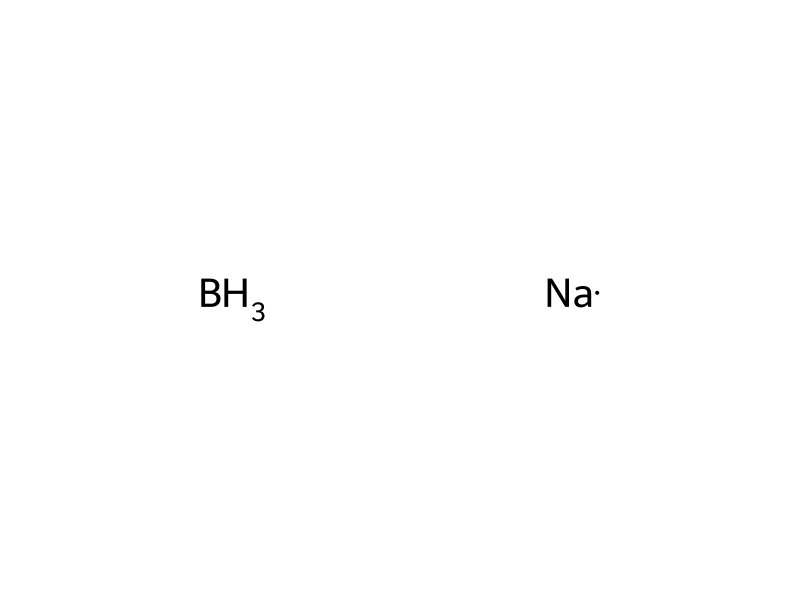
33.2 g (0.15 mole) 2-hydroxyimino-4-phenyl butyric acid ethyl ester were steadily introduced under agitation into a suspension of 24.15 g (0.64 mole) sodium boron hydride in 200 ml 1,2-dimethoxyethane (DME). Within 1 h a solution of 17.2 ml (0.32 mole) conc. sulfuric acid in 60 ml DME was added dropwise thereto, during which the temperature was maintained at 20°-30° C. The mixture was subsequently heated slowly to 62° C., then agitated 5 h at this temperature and cooled overnight under agitation to room temperature. After a careful addition of 50 ml methanol the batch was evaporated to dryness, the residue taken up in 120 ml water and compounded with 25 ml conc. hydrochloric acid, during which a vigorous development of gas began. After the addition of 150 ml toluene the mixture was agitated until the end of the development of gas, then alkalinized with 35 ml 50% sodium hydroxide solution and heated to 60° C. The organic phase was separated and the aqueous phase extracted again with 80 ml toluene at this temperature. The combined organic phases were dried over sodium sulfate and evaporated. 25.0 g raw (RS)-2-amino-4-phenyl-1-butanol remained as residue in the form of a brownish, viscous oil. The structure was corroborated by a 1H-NMR spectrum.