Phenol → 4-Hydroxybenzenesulfonic acid
HRID 1381481
Reaction equation

Cl[S:2]([OH:5])(=[O:4])=[O:3].[C:6]([OH:16])(=O)[CH2:7][CH2:8][CH2:9][CH2:10][CH2:11]C(C)C.C1(O)C=CC=CC=1>>[CH:7]1[C:6]([OH:16])=[CH:11][CH:10]=[C:9]([S:2]([OH:5])(=[O:4])=[O:3])[CH:8]=1Participants
4

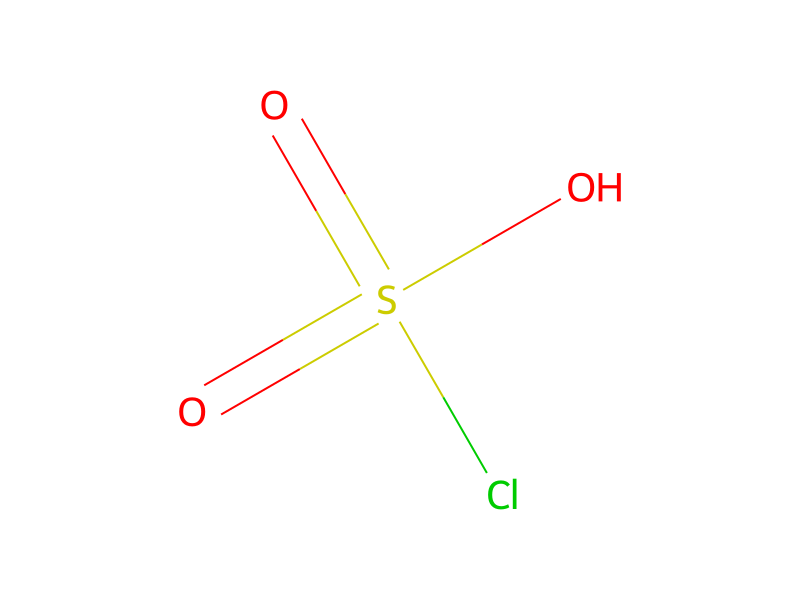


Conditions
- Temperature
- 95 °C
Procedure
In the equipment according to FIG. 1, a mixture of 178.8 g (1.53 mole) of chlorosulfonic acid and 136.5 g (0.86 mole) of isononanoic acid was placed into one of the two graduated funnels and a mixture of 143 g (1.52 mole) of phenol and 104 g (0.66 mole) of isononanoic acid was placed into the other, and the two mixtures were added under control to the continuous-flow reactor in such a way that the residence time was about 7 minutes. The total time for adding the starting compounds to the reactor under control was about 2 hours. The reactor, heated to 95° C. under thermostatic control, had a length of 60 cm and was packed with glass rings. Throughout the reaction period, 10 liters of nitrogen per hour were passed through the receiver and through the reactor. This gave a 93.3% yield of crude phenolsulfonic acid diluted with isononanoic acid, of the following composition: