Reaction equation

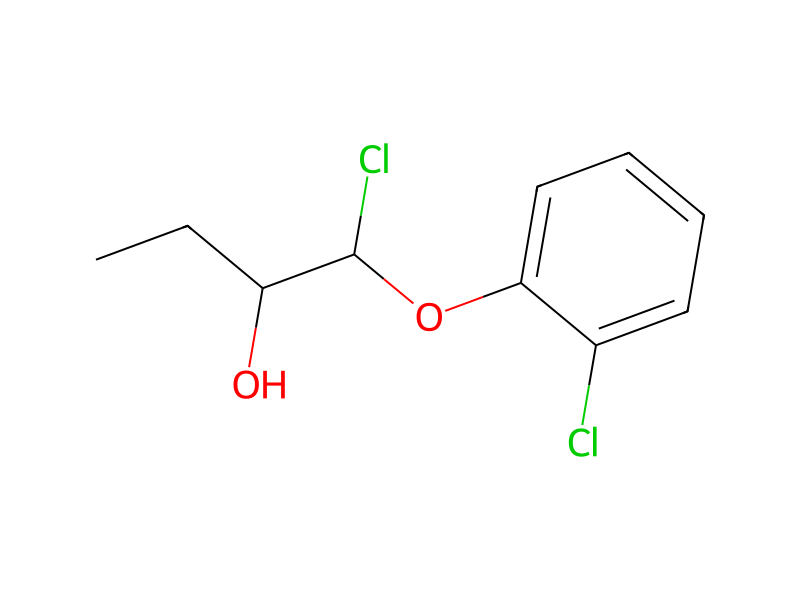
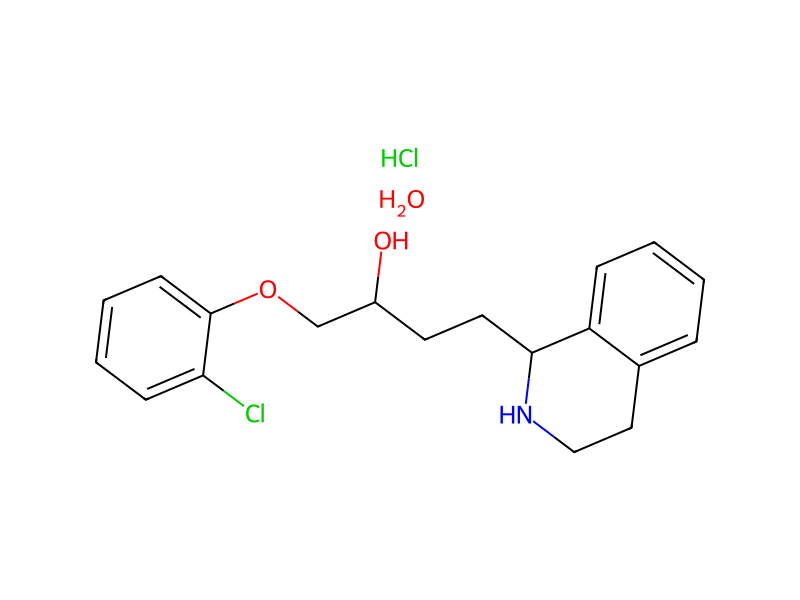
[Cl:1][C:2]1[CH:14]=[CH:13][CH:12]=[CH:11][C:3]=1[O:4][CH:5](Cl)[CH:6]([OH:9])[CH2:7][CH3:8].[CH2:15]1[C:24]2[C:19](=[CH:20][CH:21]=[CH:22][CH:23]=2)[CH2:18][CH2:17][NH:16]1.O.Cl>C(O)CCC>[OH2:4].[ClH:1].[Cl:1][C:2]1[CH:14]=[CH:13][CH:12]=[CH:11][C:3]=1[O:4][CH2:5][CH:6]([OH:9])[CH2:7][CH2:8][CH:15]1[C:24]2[C:19](=[CH:20][CH:21]=[CH:22][CH:23]=2)[CH2:18][CH2:17][NH:16]1Participants
5
Reactant 3

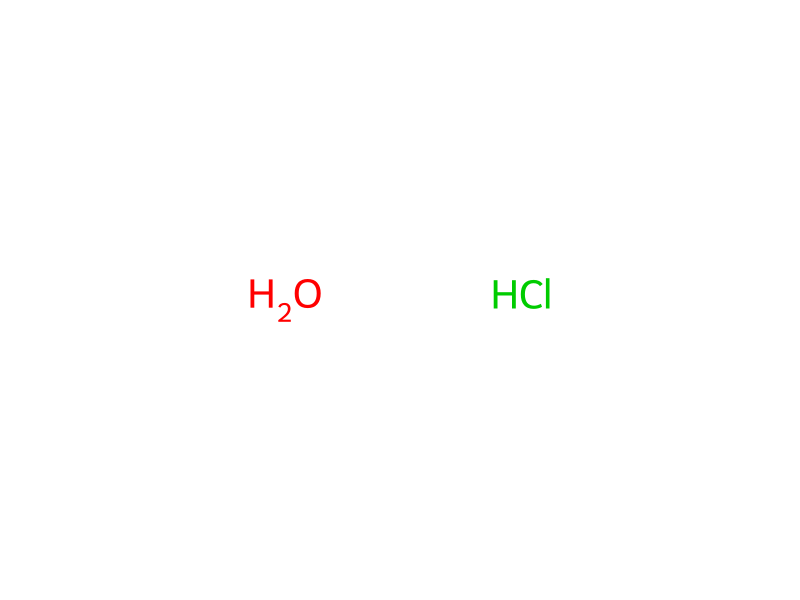
Product 1
Reagents, catalysts & solvents 1

Procedure
A mixture of 11.8 g. (0.05 mole) of 1-(2-chlorophenoxy)-2-hydroxybutyl chloride, 13.3 g. (0.1 mole) of 1,2,3,4-tetrahydroisoquinoline and 100 ml. of n-butanol was heated in a steel bomb at 120° C. for 24 hr. The reaction mixture was filtered at room temperature, the filtrate was mixed with 200 ml. 3N hydrochloric acid and extracted twice with 100 ml. isopropyl ether. The aqueous acidic solution was made basic and extracted with isopropyl ether and treated with ethereal hydrogen chloride. Recrystallization with isopropanol yielded 6 g. of the hydrochloride hydrate of the product which melted at 118°-120° C.
Workup
- additionA mixture of 11.8 g
- filtrationThe reaction mixture was filtered at room temperature
- additionthe filtrate was mixed with 200 ml
- extraction3N hydrochloric acid and extracted twice with 100 ml
- extractionextracted with isopropyl ether
- additiontreated with ethereal hydrogen chloride
- customRecrystallization with isopropanol
- customyielded 6 g
Sources & evidence
- ORD record
- ord-9bfb7643045647b98f7ad1e1d668f317
- Source dataset
- uspto-grants-1989_02
- Patent number
- US04806555
Linked notes
Loading…