HomeMCPSkillsWorkbenchOpenChem
HomeWorkbenchNotificationsMe
llms.txt · skill.md · MCP GuidePrivacy Policy · Terms of Service · Supportv1.8.5
  1. Home
  2. /Reaction

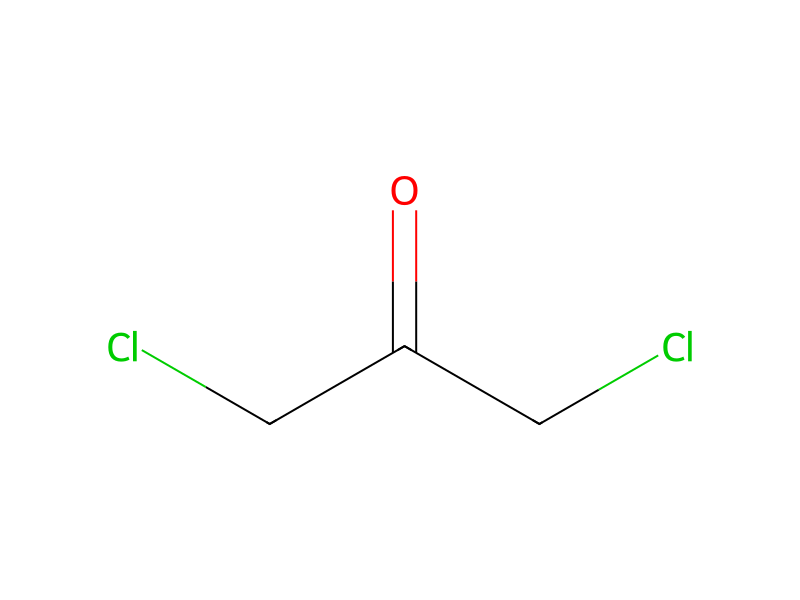
1,3-Dichloroacetone → 4-(Chloromethyl)-2-(3,4-dichlorophenyl)-1,3-thiazole

HRID 1388302
Print

Reaction equation

[Cl:1][C:2]1[CH:3]=[C:4]([CH:8]=[CH:9][C:10]=1[Cl:11])[C:5]([NH2:7])=[S:6].[Cl:12][CH2:13][C:14]([CH2:16]Cl)=O>CC(C)=O>[Cl:12][CH2:13][C:14]1[N:7]=[C:5]([C:4]2[CH:8]=[CH:9][C:10]([Cl:11])=[C:2]([Cl:1])[CH:3]=2)[S:6][CH:16]=1
ParticipantsProcedureWorkupSources & evidenceReaction notes

Participants

4

Reactant 2

HCID 107931,3-DichloroacetoneHCID 20608953,4-Dichlorothiobenzamide

Product 1

HCID 131863604-(Chloromethyl)-2-(3,4-dichlorophenyl)-1,3-thiazole

Reagents, catalysts & solvents 1

HCID 180AcetoneSolvent

Procedure

A mixture of 3,4-dichlorothiobenzamide (8.24 g., 0.04 mol), 1,3-dichloroacetone (5.1 g., 0.04 mol) in acetone (150 ml) was stirred at room temperature overnight. After evaporation of the acetone under reduced pressure, the residue was dissolved in methanol (150 ml) and the solution refluxed 11/2 hours. After cooling and removal of the methanol, the residue was slurried with a small quantity of methanol. The solids which formed after filtration showed m.p. 93°-96° C. (6.05 g.).

Workup

  1. customAfter evaporation of the acetone under reduced pressure
  2. dissolutionthe residue was dissolved in methanol (150 ml)
  3. temperaturethe solution refluxed 11/2 hours
  4. temperatureAfter cooling
  5. customremoval of the methanol
  6. customThe solids which formed
  7. filtrationafter filtration

Sources & evidence

ORD record
ord-b4c7d1242fc44590aa78f89654b9bfb5
Source dataset
uspto-grants-1984_02
DOI
10.6084/m9.figshare.5104873.v1
Patent number
US04431652

Reaction notes

On this pageParticipantsProcedureWorkupSources & evidenceReaction notes